Air Duct System Principles & Importance of Air Duct Design
Usually, air-duct systems lose 25 to 40% of the heating or cooling energy put out by the cooling and heating unit. Leaky ducts are a very common reason why conditioned air escapes from the duct system, instead of blowing out from supply registers. Further, HVAC system works harder, and goes through longer cycles. End-user will experience an increasing energy bill. In addition, duct leakage can lessen comfort and endanger your health and safety.
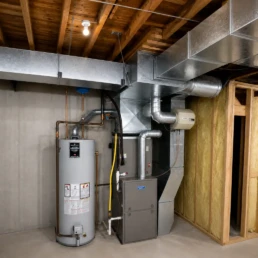
Your duct system has two main air-transfer systems—supply and return. First, she supply side delivers the conditioned air to your home through individual room registers which what you feel blowing out of threw your heating vents. Second, the return side withdraws inside air and delivers it to the air handler of your central system. Finally, all of the air drawn into the return duct(s) is conditioned and delivered back to the heating registers.
Why It Matters
Your HVAC system drives your indoor comfort, but it can only work efficiently when air moves through a clean, properly designed duct system. The ductwork behind your walls delivers conditioned air to every room, and when it’s poorly installed, undersized, or leaking, that air never makes it where it belongs. Instead, it escapes through gaps and weak points, leaving you with hot and cold spots and forcing your equipment to work harder than it should. That extra strain shortens the life of your system and pushes energy bills higher. Leaky or inefficient ducts can also draw in dust, allergens, and other contaminants, lowering indoor air quality. Proper duct design and installation keep airflow balanced, comfort consistent, and the air in your home healthier.
Purpose of a Central Air Duct System
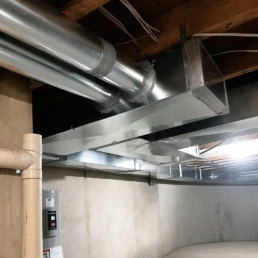
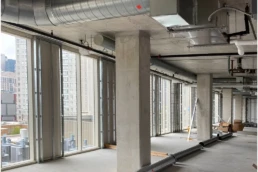
In buildings, central air duct systems are the essential components of the heating and cooling equipment. These networks of tubes, typically made from materials like sheet metal or fiberglass. Generally, vent pipes are discreetly located behind walls or exposed to create modern industrial look (spiral ducts). They efficiently distribute conditioned air to different areas within the building, ensuring comfort. Heating, Ventilation, and Air Conditioning (HVAC) equipment regulate indoor air temperature, and the air duct system plays a crucial role as a distributor and return mechanism.
For effective air duct design and installation services, it’s essential to rely on professionals with expertise in creating efficient systems. Well-designed and installed air ducts significantly impact comfort and energy efficiency, making them a valuable investment for any property. EMCO Tech engineers and installation techs will assist with any commercial and residential central air needs. Hence, we are a one stop shop for any HVAC projects.
What Quality Duct Installation Does for Your Home
Whether you’re in a compact apartment or a larger home, properly designed ductwork is what keeps your HVAC system moving air the way it should. Our team handles simple and complex layouts, correcting tight turns and awkward spaces so airflow stays consistent. Every installation is planned to limit future leaks and support long-term efficiency. With custom duct solutions built to improve indoor air quality and lower energy use, we fit new ductwork cleanly into your existing system. For additional insight on how better airflow supports comfort, see our air purification and filtration options. From the first measurement to final testing, we focus on making your home feel comfortable with clean, reliable airflow.
Philadelphia Central Air Duct Design Near You
- Complete System Design and Installation
- Ventilation System Services
- High Velocity Ductwork Design and Installation
- Exhaust Duct Repair and Installation
- Commercial and Residential Air Duct Cleaning
- Whole House Air Purifiers
- UV Air Purifiers
- Humidifiers Installation and Replacement
Common Problems Caused by Incorrect HVAC Air Duct Design & Poor Air Flow
Leaky Air Ducts and Lost Conditioned Air
If you have observed variations in temperature across different rooms or areas of your home, buildup of excessive moisture, or disturbing sounds emanating from your HVAC system, it is possible that incorrect air flow is the root cause. When your HVAC system is unable to efficiently remove excess humidity, it can result in problems.
Poor Airflow Caused by Blocked or Crushed Ducts
One of these problems is the accumulation of too much moisture. This can lead to various issues in your home. Furthermore, air flowing out of ducts, grilles, and registers with irritating noise can be indicative of an air flow issue. It’s worth noting that an air duct system that’s not designed correctly can cause some significant issues.
Aging Duct Materials Impacting Indoor Air Quality
One of these issues is a noticeable increase in your electric bill. In fact, such a system could add 10% or more to your monthly electric bill. If you’re currently experiencing any of these issues, it’s important to address them promptly to prevent any further damage to your HVAC system and to ensure that your home remains comfortable and safe.
How Often Should Ductwork Be Replaced?
Ductwork has a limited service life. As it ages, it develops leaks, buildup, and structural wear that reduce airflow and efficiency. Most homes need duct replacement every 10-15 years, but problems can surface sooner. Uneven room temperatures, rising energy bills, or declining indoor air quality are common flags.
Routine inspections from our HVAC professionals catch issues early. We check for rust, gaps, crushed sections, and loose joints. Replacing compromised ductwork before damage spreads protects your equipment and keeps comfort steady. For cleaner air throughout the process, see our indoor air quality services.
How to Prepare for the HVAC Air Duct Installation
Mechanical engineer must adequately design air distribution system, choose layout and locations of the ducts. And then, calculate required materials, determine air duct system sizes, locate areas and levels of insulation. Further, air duct design specialist selects s the sizes of supply and return air registers. It is important to consider all critical elements of air conditioning and distribution when installing air ducts. These include the mechanical integrity of the system, which ensures that it will function as designed throughout the lifespan of the space being conditioned, without any leaks, obstructions, or insulation wear. Additionally, the system should have adequate insulation to prevent the loss of conditioned air temperatures through unconditioned spaces. Furthermore, there should be no leaks as the air handler moves and delivers all the conditioned air to the various spaces and rooms.
Ductwork Installations for New Construction
Building a new home means getting the infrastructure right. In new construction, proper air duct installation is the backbone of HVAC performance and efficiency. We design and install ducts sized to your floor plan, seal every joint, and balance airflow so rooms heat and cool evenly. Clean routing through tight spaces limits sharp turns and future leaks, improves indoor air quality, and keeps energy use in check from day one.
Start your build with a solid plan: schedule a free HVAC estimate and get a dependable, efficient system for your new home in the Philadelphia area.
Common Ductwork Installation Mistakes That We Avoid
Air duct installation isn’t guesswork. It takes real skill and precise planning to keep an HVAC system running the way it should. Poor workmanship leads to airflow problems, higher bills, and constant comfort issues. Here are the most common mistakes our technicians make sure never happen in your home:
- Incorrect Sizing: Ducts that are too small or oversized choke airflow and reduce heating and cooling efficiency.
- Poor Sealing: Weak joints and unsealed seams let conditioned air escape, driving up energy costs and creating uneven temperatures.
- Inadequate Support: Unsupported ducts sag over time, restricting airflow and creating unnecessary strain on your HVAC system.
- Sharp or Excessive Bends: Tight turns slow down air movement and force equipment to work harder than necessary.
- Ignoring Insulation: Uninsulated ducts lose heating and cooling along the way, wasting energy and hurting indoor comfort.
Contact EMCO Tech for Your Air Duct Design & Installation Services in Philadelphia Area
We will provide complimentary on site consultation, blueprint review, secure local municipality permit for air duct design and installation in Bucks County – Doylestown, Feasterville-Trevose, Richboro, Southampton, Warminster, Newtown, Fairless Hills. We are certified and BBB Accredited. You may find this post interesting 3 Things to Know About Central Air Conditioning.
Air Duct Design & Installation FAQs
Duct size depends on your home’s layout, airflow needs, and the capacity of your HVAC system. We calculate sizing using industry standards to ensure balanced airflow and consistent comfort.
Proper duct design creates a layout that delivers consistent airflow using correct sizing, smooth routing, sealed joints, and minimal resistance.
Good duct design prevents hot and cold spots, reduces strain on the HVAC system, lowers energy bills, and helps maintain healthy indoor air quality.
We seal all seams and connections with approved mastic and metal tape to stop air loss, improve efficiency, and stabilize airflow.
We measure airflow with calibrated tools, verify system balance, and inspect for leaks. When needed, we perform diagnostic leak testing to confirm efficiency.
Common mistakes include incorrect sizing, poor sealing, unsupported duct runs, sharp bends, and missing insulation. We design every system to avoid these issues.
One major mistake is undersizing supply ducts. It restricts airflow, increases static pressure, and forces HVAC equipment to work harder.
The general rule is correct sizing, smooth routing, sealed transitions, and limited airflow resistance, all based on industry airflow standards.
The 2-foot rule ensures fittings, transitions, and turns are spaced far enough apart to maintain stable airflow and avoid turbulence.
Key factors include airflow requirements, proper sizing, layout, static pressure, sealing quality, insulation, and balanced supply and return placement.
Yes, financing is available. You can explore options on our HVAC financing page.
Replacing your AC unit is a significant investment, but should you also replace your ductwork at the same time? In many cases, the answer is yes. New, energy-efficient HVAC units can struggle with old, worn-out duct systems. To fully benefit from your new AC unit, you should consider installing ductwork that complements its performance. That’s where we come in. If your current ducts are over 10 years old, have visible damage, or cause uneven cooling, it’s wise to consider a ductwork replacement. Pairing a new HVAC unit with new ductwork gives you a fresh start, keeps your entire HVAC system on the same timeline, and can help you get ahead of any costly ductwork repair problems and deliver clean air for years to come.