


Quick way to choose the best heating system for your home
If you want the shortest path to a smart decision, here it is.
If your home already has ductwork in decent shape, your best choices are usually a high-efficiency gas furnace or a heat pump (or a hybrid of both). Forced-air systems can work great, but duct losses are real: ENERGY STAR notes that in a typical home about 20–30% of the air moving through ducts can be lost due to leaks and poor connections.
So duct condition matters more than most homeowners realize.
If your home is built around radiators/baseboards (hot water or steam), a boiler often makes the most sense because it’s designed for that distribution. Furnace conversions can work, but they can also turn into a “rebuild half the house” project if you’re trying to add ducts everywhere.
If you’re deciding mainly by “efficiency,” don’t skip the basics: the most efficient heating system for a house on paper can lose its advantage fast if it’s oversized, installed sloppy, or pushing heat through leaky ducts.
Bottom line: the best heating system for your home starts with right sizing and the right distribution method. Everything else is second.
Start with heat load: the step most homeowners skip (and regret)
Before you get pulled into furnace vs heat pump debates, do the step that decides everything: calculate your home’s heat load.
Manual sizing (not square-feet guessing) helps you avoid:
- Oversizing (short cycling, uneven temperatures, noisy operation, and worse real-world efficiency)
- Undersizing (the system runs nonstop during the coldest weather)
If your goal is the best heating system for your home, this is where you win or lose. Equipment type matters, but correct capacity is what keeps comfort steady and prevents paying for output you can’t use.
If you want a quick overview of how we plan system upgrades and replacements, start with our heating services overview. For facilities and larger buildings, our commercial HVAC services page shows how that process scales.
Furnace vs heat pump in PA: what changes in real winter weather
This is the comparison homeowners actually care about because it hits comfort and monthly bills: furnace vs heat pump.
Heat pumps usually win on efficiency, but the install decides results
A modern air-source heat pump doesn’t “make” heat the way combustion does. The U.S. Department of Energy explains that, when properly installed, an air-source heat pump can deliver up to two to four times more heat energy than the electrical energy it consumes.
That’s why heat pumps are often the best answer to “what is the most efficient heating system for a house?” especially in moderate winter conditions.
Cold-weather capability has improved too, and DOE notes advances that make air-source heat pumps a viable option even where temperatures stay below freezing for extended stretches.
For Pennsylvania-ready equipment, NEEP’s cold-climate air-source heat pump (ccASHP) specification and product list was designed to identify systems best suited to heat efficiently in colder climates (IECC climate zone 4 and higher).
If you want the non-salesy overview of how these systems work and where they fit, it’s explained on our heat pump systems page.
Gas furnace for cold climate: still the comfort hammer
A gas furnace for cold climate conditions is simple and reliable: hot supply air fast, stable comfort, and strong performance when the temperature drops hard. That’s why furnaces remain the “no drama” option during Pennsylvania cold snaps.
High efficiency on paper still depends on delivery. If ductwork is leaky or poorly connected, a lot of that output can disappear into the attic or basement. ENERGY STAR points out that typical homes can lose 20–30% of the air moving through duct systems due to leaks and poor connections: duct sealing guidance.
If you’re comparing system types or planning an upgrade, our gas furnace systems page breaks down common options without turning it into a brand pitch.
Choosing the Best Heating System Starts With Proper Sizing.
The best heating system for your home isn’t about brand names. It’s about correct heat load, duct condition, fuel cost, and real Pennsylvania winter performance.
- Professional heat load calculation
- Duct inspection for leaks and airflow loss
- Furnace vs heat pump cost comparison
- Boiler vs furnace efficiency review
Want the most efficient heating system for a house? Start with sizing. Equipment comes second.
Heat pump vs furnace cost: the honest way to think about operating cost
Homeowners ask “heat pump vs furnace cost” like it’s one number. It isn’t. Operating cost depends on:
- your electric rate
- your gas rate
- your heat pump’s real seasonal performance
- your furnace efficiency
- your duct losses (if forced air)
A quick reality check: if ducts are leaking, you’re paying to heat spaces you don’t live in. ENERGY STAR notes typical duct systems can lose 20–30% of airflow from leaks and poor connections.
Boiler vs furnace efficiency: stop looking only at the rating
People ask boiler vs furnace efficiency as if one number answers everything. Ratings matter, but heat delivery is the dealbreaker.
Boilers can feel more consistent because they deliver heat steadily through radiators or baseboards, and they don’t depend on ductwork that may be leaking. That’s why boiler comfort can outperform a forced-air system in older homes even when the efficiency ratings look similar.
If your home is built around hot-water or steam distribution, boiler options are covered under our boiler systems section.
Most efficient heating system for a house: what actually moves the needle
If you want the most efficient heating system for a house, equipment choice is only half the game. The rest is how your home holds heat and how the system is controlled.
Fix the leaks before you buy bigger equipment
If ducts exist, sealing matters. Losing 20–30% of heated air is the fastest way to turn “high efficiency” into “high bills.”
Thermostat strategy: boring, effective, real savings
For winter settings, the U.S. Department of Energy recommends about 68°F when you’re home and awake, then lower when sleeping or away. DOE also notes that setting back 7°–10°F for about 8 hours a day can save up to 10% per year on heating and cooling.
Best heating system for Pennsylvania winters: practical match-ups that avoid regret
If you’re searching “best heating system for Pennsylvania winters,” here’s the short answer: Pennsylvania winters reward systems that are right-sized and matched to how your home delivers heat.
If you have ducts and natural gas
A high-efficiency furnace is still a strong choice for many homes, especially if you want hotter supply air and simple performance. Just don’t ignore duct condition, because duct leakage can erase a chunk of the efficiency you paid for.
If you have ducts and want high efficiency plus AC in one system
A modern heat pump can be a strong fit, especially when the system is selected and installed for cold-weather performance. Done right, it can deliver efficient heating and summer cooling from the same equipment.
If you already have radiators or baseboards
A boiler approach usually makes the most sense because it matches your distribution. You can modernize efficiency without turning the home into a duct-construction project.
When hybrid heat makes sense (heat pump + gas furnace)
This is the “future-proof without suffering” option for many Pennsylvania homes: run the heat pump when it’s efficient, and switch to gas when it’s cheaper or when you want hotter air.
Hybrid performance comes down to the economic balance point, the outdoor temperature where operating cost is roughly equal between the heat pump and the backup fuel. If you want a technical definition, Slipstream explains the concept clearly: dual-fuel balance point overview.
FAQ: Best Heating System for Your Home
A properly installed air-source heat pump is often the most efficient heating system for a house because it transfers heat instead of generating it. According to the U.S. Department of Energy, modern heat pumps can deliver two to four times more heat energy than the electricity they consume when correctly sized and installed.
It depends on your electricity rate, natural gas rate, system sizing, and duct condition. In Pennsylvania, operating cost can shift throughout the winter. A true heat pump vs furnace cost comparison should be based on local utility pricing and real seasonal performance, not just manufacturer ratings.
Not automatically. Both boilers and furnaces can reach high efficiency ratings. The difference often comes down to distribution. Furnaces rely on ductwork, which can lose conditioned air if poorly sealed, while boilers deliver steady heat through radiators or baseboards. Boiler vs furnace efficiency depends heavily on how heat is delivered in your home.
A practical winter setting is 68°F to 70°F while you are home and awake, and lower when sleeping or away. Moderate setbacks can reduce heating costs without sacrificing comfort during Pennsylvania winters.
Ready to Choose the Best Heating System for Your Home?
Comparing furnace vs heat pump? Reviewing boiler vs furnace efficiency? The right system for Pennsylvania winters starts with proper sizing, real performance data, and smart system selection.
Gas Furnace Systems
High-efficiency gas furnaces built for reliable cold-climate performance.
Heat Pump Systems
Energy-efficient heat pump systems and hybrid heating solutions.
Boiler & Radiant Heating
Steady, efficient boiler systems designed around your home’s distribution.
New Heating System Installation
Professional load calculations and precision system installation.
Heating Repair
Accurate diagnostics and dependable repairs when performance drops.
Before investing in a new system, compare real heat pump vs furnace cost and start with a professional heat load calculation.
Latest Updates – Keep Cool, Feel Warm, Breathe Clean Air with EMCO Tech
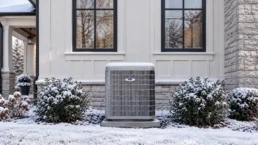
Emergency Heat (AUX) Won’t Turn Off? Here’s Which Heat Pump Fixes It
If AUX or emergency heat runs all winter, the heat pump has handed your house to electric backup strips, and the PECO bill shows it. See how…
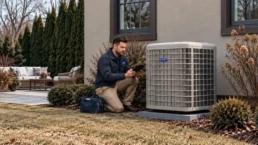
Planning a Heat Pump Replacement: Upgrade Before It Fails
The worst time to replace a heat pump is the morning it dies. A planned swap lets you choose the equipment, lock in better pricing, and stay warm on…
You made some excellent points about choosing the best heating system for a home. It’s helpful to see the comparison between different options like gas furnaces, boilers, and heat pumps. This kind of guidance is valuable for homeowners trying to balance efficiency, comfort, and long-term costs.
Thank you for your feedback. Choosing the right heating system really depends on your home’s layout, energy goals, and budget, so it’s important to understand all available options.
If you’re considering an upgrade, take a look at our heating system services to explore installation, replacement, and maintenance solutions designed for long-term performance.
Really helpful comparison between furnaces, boilers, and heat pumps. It’s not always clear which system makes the most sense in Pennsylvania with our cold winters, so this breakdown makes it easier to understand the pros and long-term costs.
Thank you for the feedback. Choosing the right heating system in Pennsylvania really comes down to how well it performs during colder months, along with long-term efficiency and operating costs.
If you’re comparing options or planning an upgrade, you can explore our heating system installation and replacement services to find the best fit for your home and budget.
I’ve been trying to decide between replacing my old boiler or switching to a heat pump, and this article clarified a lot. The explanation of efficiency and heating performance in colder climates was especially useful.
Glad that helped — that’s exactly the situation a lot of homeowners in Pennsylvania run into when older boiler systems start showing their age.
The choice between a boiler and a heat pump really comes down to how your home is set up and how you want the system to perform long-term. Boilers still make sense for homes built around radiators, while heat pumps can be a strong option when paired correctly with the right setup.
If you’re comparing options, it helps to look at both boiler systems and heat pump systems side by side before making a decision.