Why Your Furnace Smells Like Rotten Eggs — and How to Stop It Before It Gets Dangerous
Is your furnace pumping out a rotten eggs smell, or maybe something like sewage, a dead animal, or even burning? If you’re searching for “rotten eggs smell from furnace dangerous” or “how to fix rotten eggs smell from furnace,” you’re in the right place. These odors aren’t quirky; they’re red flags for serious issues like gas leaks, electrical failures, or buildup that could turn your cozy home into a hazard zone. At EMCO Tech Heating & Cooling, we’ve seen it all in Philadelphia, and we’re here to break it down smartly so you can act before things go boom.
A rotten eggs smell from your furnace is often mercaptan, the additive in natural gas that makes invisible leaks detectable. It’s a potential explosion warning. If it’s in your car, “heat smells like rotten eggs in car” usually points to a catalytic converter issue, but for home furnaces, act fast. Other smells like sewage (clogged drains or bacterial growth) or a dead animal (critters in vents) need attention too. Even electric heaters can emit similar odors if components overheat or off-gas.
Safety First: Don’t Ignore the Warning Signs
If you smell gas or suspect a leak, evacuate immediately. Grab your family and pets, and get outside. Call 911 from a safe spot. Don’t touch switches or phones inside—they can spark ignition. Too many people learn this the hard way after reading “rotten eggs smell from furnace Reddit.”
Quick emergency steps if you detect a rotten eggs, burning, or sulfuric smell:
- Evacuate everyone now. No heroes.
- Avoid sparks: Don’t use lights, appliances, or start your car.
- Ventilate if safe: Crack windows on your way out, but don’t linger.
- Call pros from outside: Contact emergency services, then EMCO Tech at (215) 366-1001.
- Stay out: Wait for clearance from authorities or certified technicians.
Regular maintenance prevents most of these issues. Check out our gas furnace maintenance in Philadelphia to stay safe.
Common Causes of Furnace Odors (and Why They’re Not DIY-Friendly)
Furnaces are machines that wear down over time, and smells are warnings. Here’s the quick breakdown:
- Rotten Eggs Smell (Gas Leak): Usually mercaptan. Could mean faulty valves or gas line leaks. Don’t touch it—call a pro.
- Burning Smell: Normal at season start, but if persistent, suspect wiring or motor issues. Sometimes it’s rodents in ducts or melting insulation.
- Sewage or Sulfuric Odors: Caused by bacterial growth or sewer gas backup.
- Electric Heater Smells: Often new unit chemical off-gassing or failing elements.
Ignoring these signs risks carbon monoxide poisoning, fires, and high bills. Schedule a gas furnace repair in Philadelphia or explore electric furnace services.
How to Fix Rotten Eggs Smell from Furnace (The Right Way)
DIY hacks won’t save you here. Most are temporary and risky. Do this instead:
- Shut it down: Turn off the furnace at the thermostat or breaker.
- Inspect safely: You can vacuum vents but stop there.
- Call experts: We recommend Carrier gas furnaces for reliability.
- Prevent future problems: Get a professional gas furnace installation or regular tune-up through our gas furnace services.
These smells often mean it’s time for an upgrade. EMCO Tech handles diagnostics, repairs, and installations to keep your Philadelphia home safe and efficient.
Ready to Ditch the Stink? Contact EMCO Tech Today
Don’t let a smelly furnace ruin your winter. Professional help beats DIY disasters every time. Call (215) 366-1001 or contact us online for fast, expert HVAC service in Philadelphia and nearby areas.
Smell Gas or Rotten Eggs from Your Furnace?
Don’t wait—those odors could mean a dangerous leak. EMCO Tech’s certified HVAC team provides fast, same-day gas furnace repair in Philadelphia to keep your home safe.
Call for Immediate Service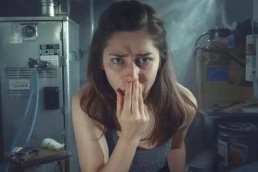
Furnace Smells Like Rotten Eggs FAQ
Look, if your nose is screaming “rotten eggs,” it’s not your imagination or last night’s takeout—it’s mercaptan, the stinky additive in natural gas that screams “leak alert!” Common culprits? Faulty valves, loose connections, or even contaminated oil in oil furnaces. Sarcasm alert: Nature didn’t make gas smell like eggs for fun; it’s to save your butt from invisible danger.
What to do: Evacuate ASAP, avoid sparks, and call us for gas furnace repair in Philadelphia. Don’t play hero—gas leaks aren’t negotiable.
Hell yes, genius—it’s basically your home yelling “evacuate!” Natural gas leaks can cause explosions, fires, or carbon monoxide poisoning (think headaches, dizziness, nausea, or worse). We’ve seen Reddit threads (“rotten eggs smell from furnace reddit”) full of near-misses where folks waited too long. Even if it’s “just” sewage-like (from bacterial buildup) or dead animal vibes (critters in ducts), it tanks air quality.
What to do: Get out, call 911 if strong, then hit us up for a safety check via gas furnace maintenance in Philadelphia. Better safe than sorry (or sued).
Arguing with a gas leak? Bad idea. Shut off the furnace at the breaker, ventilate if safe, and bail. Pros like us trace leaks with detectors—DIY hacks from Google are recipes for disaster. For electric heaters smelling like eggs? Could be overheating or chemical off-gassing; same drill.
What to do: Skip the YouTube tutorials and schedule our gas furnace services. If it’s time for an upgrade, check Carrier residential gas furnaces or our gas furnace installation in Philadelphia.
Ah, the classic “first heat of the season” drama—dust and debris burning off after months of neglect. Harmless if it fades quick, but persistent? Could be clogged filters, motor burnout, or electrical issues (wires frying—yikes). New furnaces? They off-gas protective oils, smelling weird for a day.
What to do: Change that filter, stat. If it lingers, call for electric furnace services if electric, or us generally. Annual tune-ups prevent this nonsense.
Sewage whiff? Blame bacterial growth in drains or coils—gross but fixable. Dead animal? Literal rodents rotting in vents (Philly winters drive ’em in). Either way, it’s killing your air quality and efficiency.
What to do: Don’t mask it with Febreze; get a deep clean. Our techs handle this—contact us at (215) 366-1001 or online.
You bet—dirty filters build up grime that burns, overworking your system. New units? That burning plastic/chemical scent is normal break-in, gone in 24–48 hours. But if it’s oil-like (leaks) or diesel (overfill), that’s trouble.
What to do: Swap filters seasonally. For installs, trust pros like our gas furnace installation.
Smart question—prevention beats panic. Schedule yearly maintenance to catch leaks, clean coils, and clear ducts. Avoid overfilling oil tanks, and upgrade old clunkers. Heat pumps? Zero gas risk, but that’s another chat.
What to do: Book our gas furnace maintenance in Philadelphia now. It’s cheaper than emergency calls (and explosions).
Nah, but brief chemical off-gassing is—fades in a day. Persistent? Leak city.
What to do: Monitor, then call for gas furnace repair.