


No, it isn’t too late. A furnace, boiler, or heat pump can get its yearly maintenance any time it’s running, including the middle of January. Fall is just the easiest time to get on the schedule. If you’ve skipped a season, the risk isn’t that the visit stops working. It’s that small problems have had longer to grow, and they tend to show up on the coldest night of the year.
If your system is running fine, book the visit now instead of waiting for spring. If it’s already acting up (short cycling, blowing cool air, shutting off), that’s a heating repair call, and the technician will service it while they’re there.
Haven't Scheduled Yours Yet?
Our winter heater tune-up covers gas furnaces, boilers, and heat pumps across Philadelphia and the suburbs, with 10% off any repairs for the rest of the heating season.
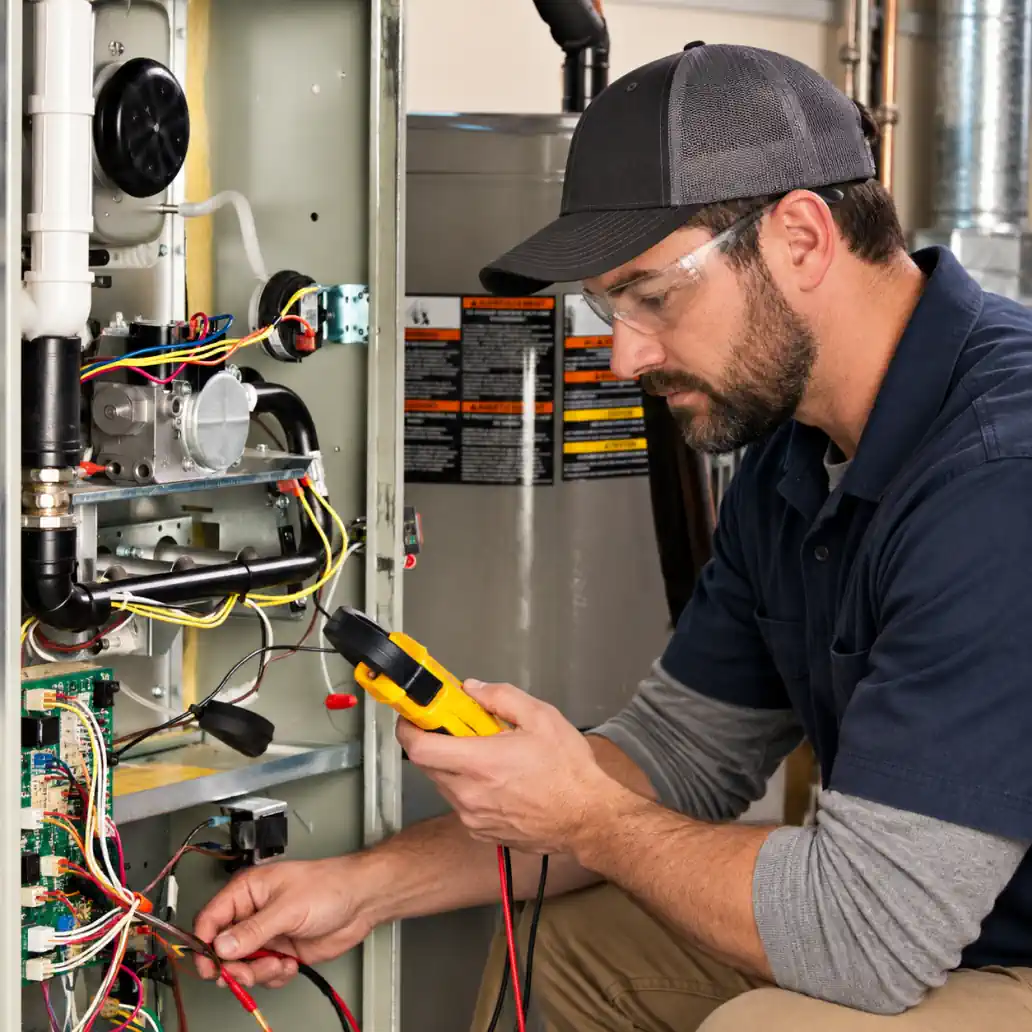
What Happens If You Skip Furnace Maintenance
One missed year rarely ruins a furnace. Two or three usually show up as a no-heat call. Here’s what builds up when a heating system goes without service:
- Dirty flame sensor. The furnace lights, then shuts off a few seconds later, over and over.
- Worn igniter. Igniters crack with age, and they usually fail on a start-up during a cold snap.
- Restricted airflow. A filter that hasn’t been changed and a dusty blower make the furnace overheat and trip its high-limit switch.
- Clogged condensate drain. High-efficiency furnaces shut themselves off when the drain backs up.
- Unchecked safety risks. Cracks in the heat exchanger, loose gas fittings, and blocked venting go unnoticed without a carbon monoxide test and inspection.
- Higher bills and shorter life. Dirty burners and blowers run longer to make the same heat, and parts wear out sooner.
For the full list of what a technician checks and cleans on each visit, see what a furnace tune-up actually does.
Does Skipping Maintenance Affect Your Furnace Warranty?
It can. Many manufacturer warranties don’t cover failures caused by lack of maintenance, dirty equipment, or improper service, and some ask for proof of regular professional maintenance when you file a claim. Two habits protect you:
- Keep the paperwork. Save the dated invoice from every service visit.
- Register new equipment. Most brands require registration within a set window after installation (often 60 to 90 days) to get the longer parts warranty.
A maintenance plan handles both: we schedule each visit, and your service history stays on file in case a warranty claim ever comes up.
What If Your Furnace Has Never Been Serviced?
This comes up a lot with new homeowners, who often have no idea when the furnace was last looked at. Plan on a first visit that takes longer than a routine tune-up. The technician cleans what years of dust left behind, tests for carbon monoxide, inspects the heat exchanger and venting, and checks the safety controls before anything else. From there, you have a baseline, and a yearly visit keeps it on track. Our heating inspection guide explains each safety check.
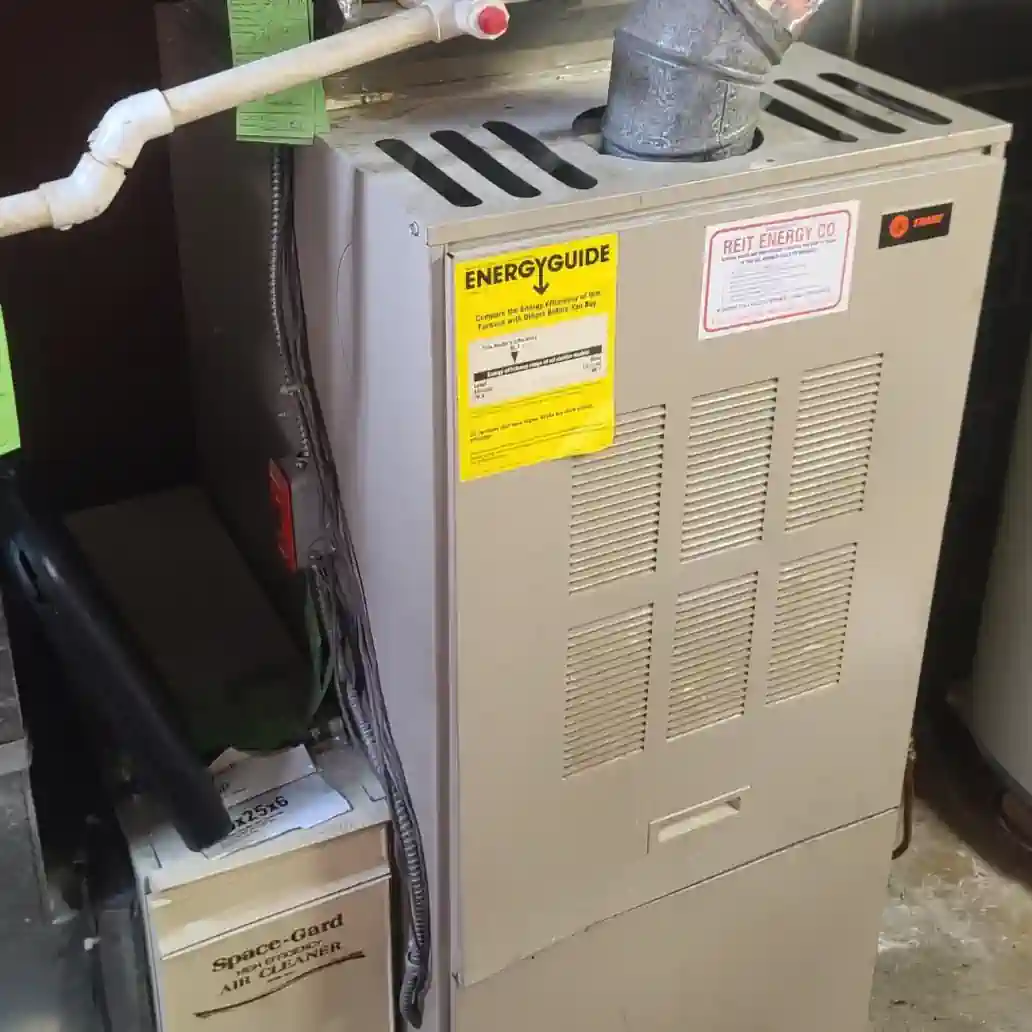
Signs Your Furnace Is Overdue for Service
- It’s been more than a year, or you don’t know when the last visit was
- Heating bills are climbing while the thermostat setting stays the same
- The burner flame looks yellow or lazy instead of steady blue
- More dust than usual, or some rooms feel colder than they used to
- The furnace cycles on and off more often, or runs longer to warm the house
Louder noises, burning smells, or shutdowns are past “overdue.” See the signs your furnace is going out.
Getting Maintenance Done Mid-Season
A winter visit covers the same checklist as a fall one. The main differences are timing and comfort:
- Book before the next cold snap. Schedules fill fast when temperatures drop and no-heat calls come in.
- Your heat is only off briefly. Most of the work happens with the system running or shut down for short stretches, and a standard furnace visit takes about 45 to 90 minutes.
- Repairs can happen the same day. If the technician finds a worn part, you get the price first, and most common parts are on the truck.
Heat pumps run all year, so they need a heat pump tune-up twice a year. Hot water and steam systems have their own checklist, covered by boiler maintenance. For the bigger picture of seasonal service, see our heating maintenance page.
Ready to catch up? Call 215-366-1001 or book your heater tune-up online.
Skipped Heating Maintenance FAQs
No. A furnace can be serviced any time it’s running, and winter visits are common. The checklist is the same as a fall tune-up: cleaning the burners and flame sensor, testing the igniter, checking airflow and the blower, clearing the condensate drain, inspecting the heat exchanger and venting, and testing for carbon monoxide. The only real downside of waiting is scheduling, because calendars fill up quickly during cold snaps. If your furnace is running normally, book now instead of waiting for spring. If it’s already short cycling or blowing cool air, schedule a repair visit and the technician will service it at the same time.
Usually nothing dramatic right away, which is why it’s easy to skip. What builds up is dust on the flame sensor and burners, wear on the igniter, a dirty blower, and a filter that restricts airflow. Those cause most first-cold-night breakdowns: the furnace lights and shuts off, overheats and trips a safety switch, or won’t ignite at all. Skipping also means nobody has tested for carbon monoxide or looked for cracks in the heat exchanger. One missed year is easy to catch up on. Two or three missed years usually turn a tune-up into a repair.
It can affect a claim. Many manufacturer warranties exclude failures caused by lack of maintenance, dirt buildup, or improper service, and some manufacturers ask for proof of regular professional maintenance before approving a parts claim. The details vary by brand and model, so check your warranty paperwork. The simple protection is a dated service invoice every year. If you’re on one of our maintenance plans, we keep your service history on file, so it’s ready if a warranty question ever comes up. New equipment usually also needs to be registered within a set window after installation to get the longer parts warranty.
Many furnaces run for years without service, but you can’t tell from the outside whether yours is safe. The real concerns are carbon monoxide from a cracked heat exchanger or blocked venting, gas leaks at fittings, and safety switches that no longer work. If the furnace is running, keep using it, make sure you have working carbon monoxide alarms near the bedrooms and on every level, and book a visit soon. The first service takes a little longer because there’s more to clean and a full safety check to complete. If your CO alarm sounds or you smell gas, leave the house and call your gas utility from outside.
Only for short stretches. The technician runs the furnace to test ignition, flame, temperature rise, and safety controls, then shuts it down briefly to clean the burners, flame sensor, and blower and to check the electrical parts. A standard gas furnace visit takes about 45 to 90 minutes, and older systems or boilers can take longer depending on access and condition. Most homes barely cool off during the visit. If a part needs replacing, the technician explains it and gives you the price first, and most common parts are on the truck, so heat is usually back the same visit.
We don’t recommend it. The point of heating maintenance is to catch problems before the furnace has to work hardest, and January and February are when it works hardest. A weak igniter, a dirty flame sensor, or a cracked heat exchanger doesn’t announce itself until it fails or becomes a safety issue. Servicing now also gives you a clear picture of the system’s condition before the coldest weeks. Spring is a good time for air conditioning maintenance, and with a maintenance plan, both visits are scheduled for you.
Yes. A new furnace still needs a yearly visit, and the first one matters for the warranty. Manufacturers expect the equipment to be maintained, and a dated service record shows it was. The first-year visit also confirms the installation is performing as it should: gas pressure, temperature rise, venting, condensate drainage on high-efficiency models, and thermostat settings. Make sure the new equipment was registered with the manufacturer, too, since most brands require registration within a set window to get the longer parts warranty.
For most people who keep forgetting, yes. A plan takes the scheduling off your list: we remind you when each visit is due and handle both the heating and the cooling tune-up each year. Plan members get priority scheduling and savings on repairs, and their service history stays on file for warranty purposes. It’s a good fit if you’ve already skipped a year or two, have an older system you want to keep running, or have more than one system in the home. See our service agreements for what’s included.
Heating Maintenance Services
Winter Heater Tune-Up
Seasonal tune-up for gas furnaces, boilers, and heat pumps, plus repair savings all winter.
Heating Maintenance
Seasonal service that keeps your heating system safe, efficient, and reliable.
Maintenance Plans
Scheduled heating and cooling visits, priority service, and repair savings.
Gas Furnace Maintenance
Burner, flame sensor, venting, and safety control service for gas furnaces.
Boiler Maintenance
Annual service for hot water and steam boilers, gas or oil.
Oil Heater Tune-Up
Nozzle, filter, and combustion service for oil furnaces and boilers.
More on Heating Maintenance
Services
Post updated: October 2026
Latest Updates – Keep Cool, Feel Warm, Breathe Clean Air with EMCO Tech
Emergency Heat (AUX) Won’t Turn Off? Here’s Which Heat Pump Fixes It
If AUX or emergency heat runs all winter, the heat pump has handed your house to electric backup strips, and the PECO bill shows it. See how…
Planning a Heat Pump Replacement: Upgrade Before It Fails
The worst time to replace a heat pump is the morning it dies. A planned swap lets you choose the equipment, lock in better pricing, and stay warm on…