


EMCO Tech Heating & Cooling runs service calls across Montgomery County, Philadelphia, Bucks County, Chester County, and Delaware County. We work on gas furnaces, oil heat, boilers, heat pumps, and central air, Carrier, Lennox, Trane, York, and the other common brands already in local houses.
Quick answer
Book heating maintenance once a year before the first cold snap, late August through October in this market. A furnace tune-up is the heating half of HVAC maintenance. A heat pump needs a heating check and a cooling check. Pricing and the current heater special live on the winter tune-up page. Year-round coverage lives on the service-agreement page. This page explains the work so you book the right thing.
Call 215-366-1001 if the house is already cold. A tune-up is for a system that still runs.
Looking to get information or book a service visit?
Searching “heater tune-up” can land you on more than one article
Each article has a different intent. This page explains the visit: furnace, boiler, oil, or heat pump. The winter special is where you book the heating checkup. Service agreements are where you put heat and AC on a reminder. The table below will guide you in a right direction.
| You want… | Open this | Why |
|---|---|---|
| To understand the visit | This guide | Questions, system types, timing |
| To book a heater / furnace special | Winter heater tune-up offer | Price, checklist, schedule |
| To book an AC special | Spring AC tune-up offer | Cooling season only |
| Two visits a year on a plan | Service agreements | Silver / Gold / Platinum |
| Furnace-only how often / why | Furnace tune-up in Philadelphia | Furnace article, not this hub |
| Oil burner details | Oil heater tune-up | Nozzles, filters, soot |
| The heater is already dead | Emergency HVAC | That is a repair, not a tune-up |
Furnace tune-up vs heating maintenance vs HVAC tune-up
Homeowners use these as if they were one phrase. Technicians do not.
- A furnace tune-up is the combustion and airflow visit on a forced-air furnace, gas, oil, or electric.
- Heating maintenance is the broader heating visit: furnace or boiler or heat pump in heating mode, plus safety.
- An HVAC tune-up usually means both seasons: heat in the fall, air conditioning or heat-pump cooling in the spring.
If you search “furnace maintenance” you want the heating visit. If you search “hvac tune up” you probably want the plan that covers both. If you search “heat pump tune-up” you need a tech who will check refrigerant, defrost, and reversing valve, not just swap a filter.
The service page behind the heating visit is heating maintenance. The furnace-only explainer is furnace tune-up in Philadelphia.
What a professional tune-up includes
A real visit is a test, not a glance at the filter. Time on a standard gas furnace is usually 45–90 minutes. Boilers, oil burners, and heat pumps run longer.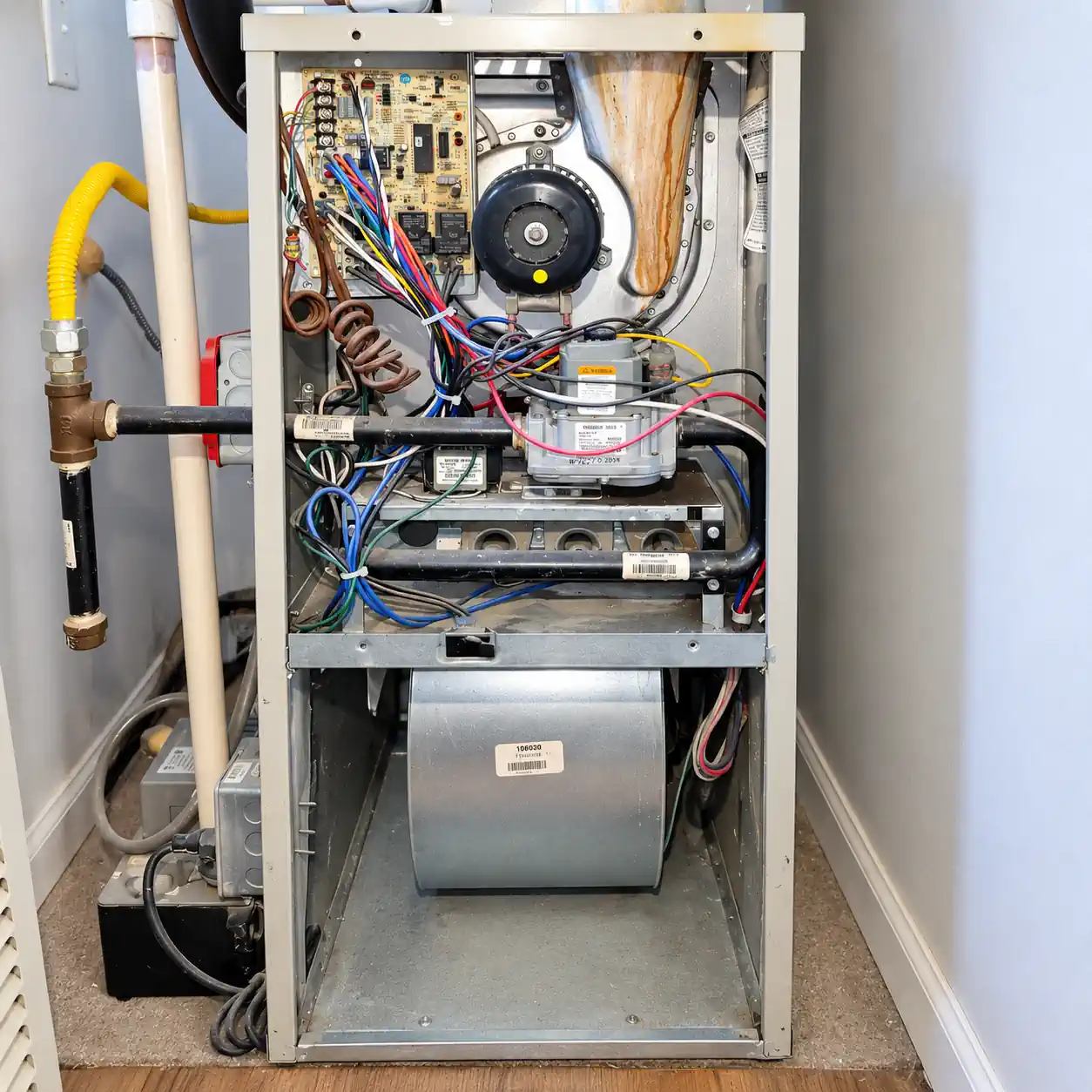
On a gas furnace
- Combustion and carbon monoxide check, heat exchanger look, burners, igniter or flame sensor, gas pressure and fittings, blower, filter, thermostat, venting.
Gas-furnace service notes: gas furnace maintenance in Philadelphia.
On an oil furnace or oil boiler
- Nozzle and oil filter, pump strainer, combustion smoke/draft, heat exchanger and chambers, as specified for that burner.
Oil has its own list: oil heater tune-up and the oil heater maintenance checklist.
On a boiler
- Pressure, relief valve, expansion tank, low-water cutoff on steam, draft, combustion where it applies. A tune-up is not a leak repair.
If it is already leaking or locked out, that is boiler repair, not service.
On a heat pump or ductless mini-split
- Heating mode and, in season, cooling mode. Refrigerant circuit, outdoor coil, defrost, reversing valve, electrical, indoor heads or air handler, drain.
System overview: heat pump services. Ductless care: mini-split maintenance.
On central air (spring, not this visit)
Coils, capacitor, refrigerant check, condensate drain, outdoor clearances. Do not book that work on the heater special.
Cooling visit: spring AC tune-up and air conditioner maintenance.
When to schedule in this climate
In Montgomery County, Philadelphia, Bucks County, Chester County, and Delaware County the heating visit belongs in late summer or early fall, before the first overnight in the 30s. That is when parts are in stock and the calendar is still open. January is a repair queue, not a maintenance queue.
Heat pumps get two looks: heating before winter, cooling before summer. A plan is how most households stop forgetting the second one.
If the house is leaky and the furnace is running nonstop, fix the envelope too: weatherizing before winter.
Filters, noise, and what you can do between visits
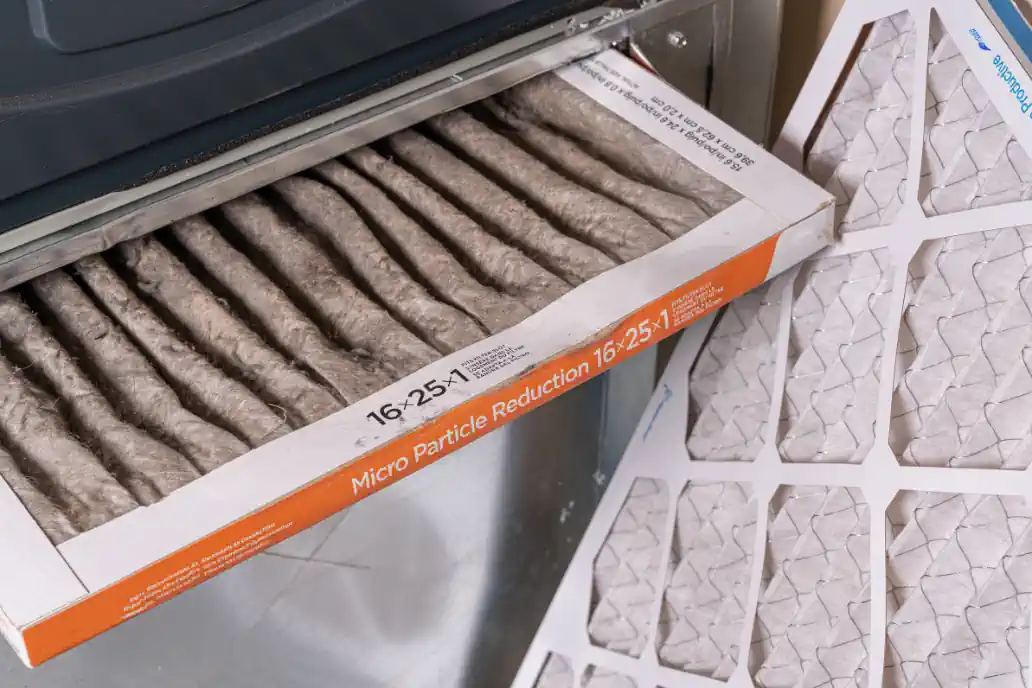
Change a 1-inch filter about every 30–90 days depending on pets, dust, and runtime. A clogged filter is the most common reason a “just serviced” furnace starts short-cycling.
Rattle, squeal, or boom at startup is not something to chase on a gas furnace yourself. Shut it down if the noise is getting worse and call. Safety smells, rotten egg, sharp electrical, soot, are not a tune-up. Leave and call 911 if you smell gas, then the utility, then us.
No heat already? Use common furnace problems in winter, not this guide.
How to Improve Heating Efficiency
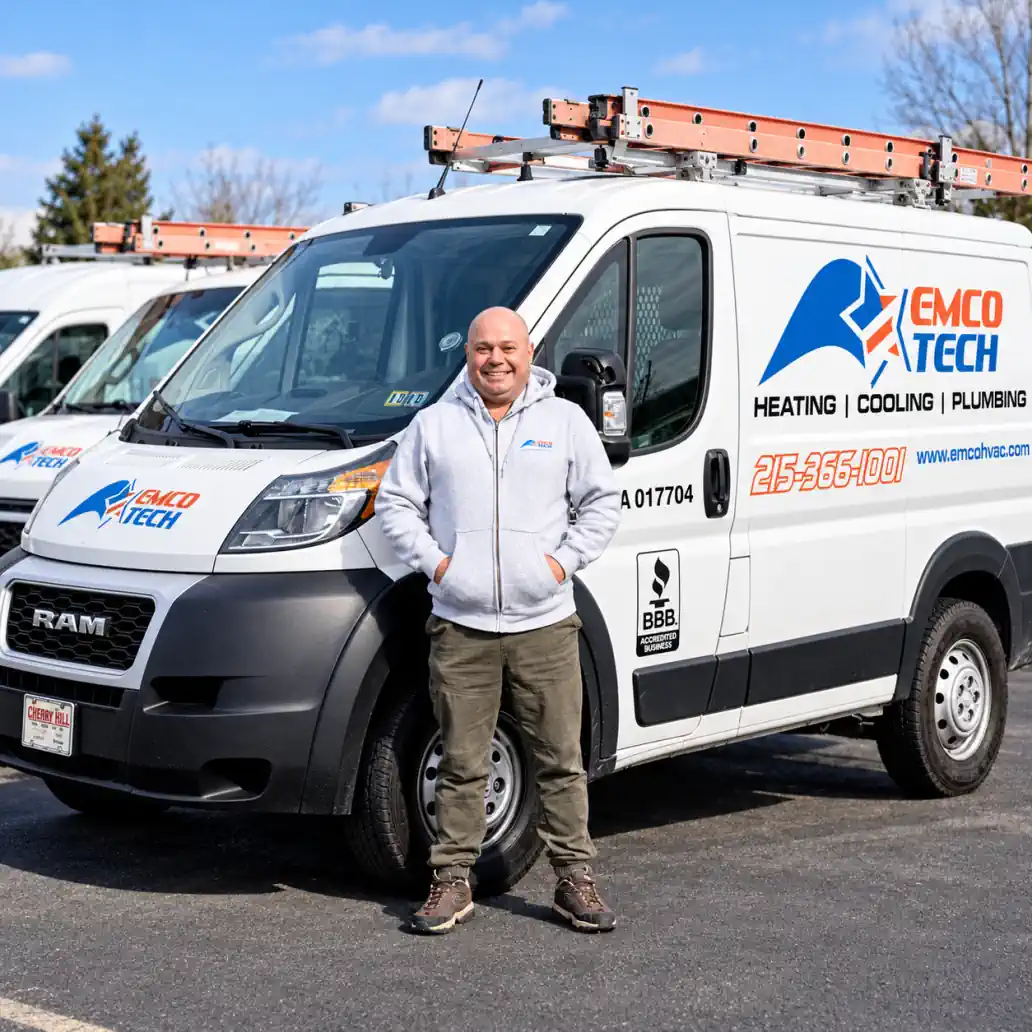
A lot of homeowners are surprised by how much comfort they can gain just by tightening up a few habits. An annual tune-up is the foundation, but it is not the only step. Keeping filters clean, leaving supply and return vents open, and sealing drafts around windows and doors all help your furnace or heat pump do the same job with less effort.
If your schedule is all over the place, a programmable or smart thermostat can quietly trim your heating costs in the background by lowering the temperature when you are asleep or out of the house. Combine that with regular seasonal heating tune-ups and most homes in the Philadelphia area see a noticeable difference in comfort and monthly bills.
How to Extend Your Heating System’s Lifespan
Furnaces and boilers are not meant to be disposable. With proper care, many systems in our region run 15 to 20 years or more. The key is to avoid running them “on the edge” all the time. Dirty filters, closed vents, and skipped maintenance force the equipment to work harder than it should on every heating cycle.
Staying ahead of small repairs, keeping airflow healthy, and scheduling a yearly checkup all help your heater age more slowly. When you start seeing regular breakdowns, rising energy bills, or hot-and-cold spots from room to room, it is worth comparing repair costs against a new system. You can walk through the major replacement signs in the guide to deciding when it is time for a new heating system.
Do Heat Pumps Need Maintenance Too?
Heat pumps pull double duty in many homes, working as both the air conditioner in summer and the heater in the milder months. Because they run more often than a typical furnace, they benefit from regular attention. A maintenance visit for a heat pump includes checking refrigerant levels, confirming the defrost cycle, inspecting the outdoor unit, and making sure the system can switch smoothly between heating and cooling.
Homeowners can help by keeping leaves, grass, and snow away from the outdoor unit so it can breathe. For the rest, a professional tune-up will keep the system efficient and reduce the chance of surprise breakdowns. If you are using or considering a heat pump system, you can read more in our heat pump services and system overview.
Are maintenance plans worth it?
 If you will remember two seasonal visits, pay for each special and stop. If you will not, a plan is cheaper than one after-hours no-heat call. EMCO Tech plans include the heating visit and the cooling visit, reminders, and a lower barrier when something fails mid-season.
This page does not sell plan tiers. The comparison table and monthly prices live on the agreements page so we do not publish two competing price charts.
Compare Silver, Gold, and Platinum: service agreements.
When a tune-up is the wrong call
- No heat, water on the floor, breaker tripped, CO alarm, gas odor, that is emergency or repair.
- A 20-year-old furnace that already needs a heat exchanger or a cracked section will not be saved by a cleaning.
- If you are leaving oil and a gas main is at the street, the conversation shifts to replacement, not another oil nozzle.
Replacement timing: is it time for a new heating system. Oil or electric to gas: switching to natural gas, only if you are converting fuel, not if you need a tune-up. Heat pump instead of another furnace: planning a heat pump replacement.
Where we run these visits
Two shops: 2424 Wyandotte Road, Willow Grove, PA 19090 and 7934 State Road, Philadelphia, PA 19136. Heating maintenance and HVAC tune-ups across Montgomery County, Philadelphia, Bucks County, Chester County, and Delaware County, Willow Grove, Abington, Horsham, Northeast Philadelphia, Doylestown, Warminster, West Chester, Media, and the towns between.
Full map: areas we serve.
Questions people type into Google
Once a year, before winter. Details and the 45–90 minute window are on our furnace tune-up in Philadelphia page. New equipment still needs the visit if you want the warranty intact.
Heating safety and performance in the fall, cooling performance in the spring. Filters, electrical, motors, combustion or refrigerant as the system requires, thermostat, and a list of anything that will fail if you ignore it.
Yes. Twice a year is the honest answer in this climate, once in heat, once in cool. A furnace-only shop will miss defrost and the outdoor coil.
Local specials and the current number live on the winter heater tune-up page so this guide does not go stale every time the offer changes.
No. Maintenance is scheduled on a running system. Repair is for a system that already failed.
No. Shared ideas (safety, combustion, controls). Different parts. Tell us which one is in the basement when you book.
No. That is how you land behind every other house on the street.
Ready to book the right visit?
If the heat still works, schedule maintenance. If it does not, say so on the call so we dispatch a repair, not a tune-up checklist. Carrier dealer; we also service Trane, York, Lennox, Fujitsu, Goodman, and other common brands. Talk to a tech: 215-366-1001.
Heating Maintenance
The full seasonal heating visit, furnace, boiler, or heat pump.
Winter Heater Tune-Up
Book the heating checkup and see current pricing.
Spring AC Tune-Up
Book cooling separately when the season turns.
Service Agreements
Put heat and AC on a plan. Silver, Gold, Platinum.
Furnace Tune-Up
The furnace-only how-often and what-to-expect guide.
Oil Heater Checklist
Nozzles, filters, and soot, the oil-specific service list.
Heat Pumps
Year-round systems that need a heating and a cooling look.
Emergency HVAC
No heat now? Same-day help when it will not wait.
Post Updated: September 2026
Latest Updates – Keep Cool, Feel Warm, Breathe Clean Air with EMCO Tech
Emergency Heat (AUX) Won’t Turn Off? Here’s Which Heat Pump Fixes It
If AUX or emergency heat runs all winter, the heat pump has handed your house to electric backup strips, and the PECO bill shows it. See how…
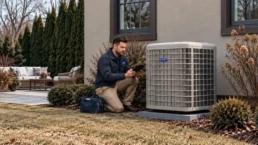
Planning a Heat Pump Replacement: Upgrade Before It Fails
The worst time to replace a heat pump is the morning it dies. A planned swap lets you choose the equipment, lock in better pricing, and stay warm on…
Great information here about heating maintenance. It’s true that many homeowners overlook regular tune-ups until something stops working. Understanding how maintenance impacts performance and energy costs can really help avoid unexpected repairs during the colder months.
Thank you, Daniel. Heating maintenance is one of the most effective ways to prevent unexpected breakdowns and keep energy costs under control. If you’re preparing for the season, take a look at our heating tune-up services or explore our full range of heating services designed for long-term system reliability.