


Tank Water Heater Sizing by Household Size
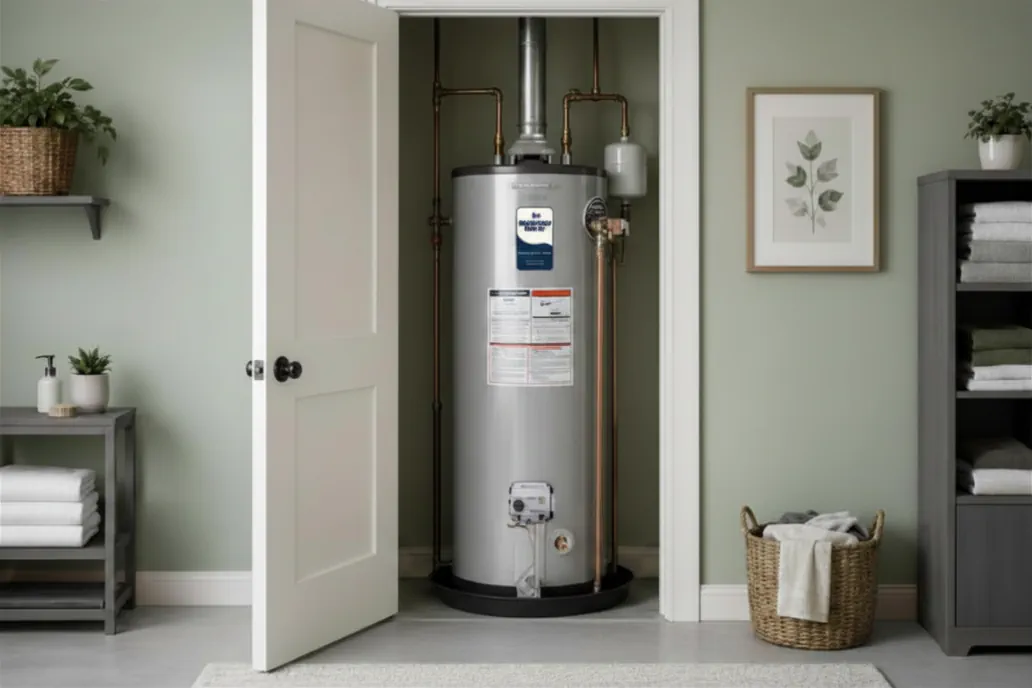
For a single person or couple, a 30 to 40-gallon tank is typically enough. Households of three to four people generally do well with a 50-gallon tank, while homes with five or more residents, or those with large soaking tubs and multiple bathrooms, often need 65 to 80 gallons of capacity. These are general starting points. Your actual usage pattern, such as running the dishwasher, laundry, and a shower back-to-back, can push you toward the next size up.
Understanding First Hour Rating (FHR)
Tank capacity alone doesn’t tell the whole story. The first hour rating, listed on every water heater’s EnergyGuide label, shows how many gallons of hot water the unit can deliver in a single hour starting from a full tank. A good rule of thumb is matching the FHR to within a few gallons of your home’s peak-hour hot water use, rather than just matching the tank size to household headcount.
Running Out of Hot Water in Your Philadelphia Area Home?
If your water heater can't keep up, it may simply be the wrong size for your household. EMCO Tech Heating & Cooling offers professional water heater installation and replacement with proper load calculations across Montgomery County, Philadelphia, Bucks County, Chester County, and Delaware County.
 Sizing a Tankless Water Heater
Tankless units are sized differently, based on flow rate in gallons per minute (GPM) rather than storage capacity. Because a tankless water heater heats water on demand, the unit needs enough GPM capacity to cover every fixture that might run at the same time, such as a shower and a washing machine running together. Undersizing a tankless unit is the most common mistake homeowners make when switching from a tank system, so this is worth getting right during installation rather than after the fact. For a full breakdown of how the two styles compare, see our tank vs. tankless water heater comparison.
Gas vs. Electric Sizing Differences
Fuel type also affects sizing. Gas water heaters recover heat faster than electric models, so a slightly smaller gas tank can often keep pace with the same household that would need a larger electric water heater to match its output.
Signs Your Current Water Heater Is the Wrong Size
Consistently running out of hot water before everyone in the house has showered, needing to space out laundry and dishwashing to avoid cold water, or a tank that runs almost constantly to keep up with demand are all signs the current unit no longer matches your household’s needs. A professional load calculation during a water heater installation or replacement visit accounts for fixture count, bathroom layout, and usage habits, rather than relying on rough size guidelines alone.
Get the Right Size the First Time
Sizing mistakes are expensive to fix after installation, since they usually mean living with the problem for years or paying to swap the unit early. If you’re not sure whether your current tank is properly sized, or you’re planning a replacement, our current water heater installation special is worth a look before you buy.
Water Heater Sizing Table
| Household Size | Recommended Tank Size | Typical First Hour Rating |
|---|---|---|
| 1–2 people | 30–40 gallons | 40–50 gallons |
| 3–4 people | 50 gallons | 50–65 gallons |
| 5+ people | 65–80 gallons | 65–85 gallons |
| Large tubs / multiple bathrooms | 80 gallons or tankless | Sized by peak-hour demand |
Figures are general guidelines. A professional load calculation accounts for fixture count and usage habits for a precise recommendation.
FAQ
Most four-person households do well with a 50-gallon tank water heater, though homes with large tubs, multiple bathrooms, or heavy simultaneous use may need up to 65 gallons.
Yes, a 40-gallon tank is typically sufficient for a household of two, unless usage habits like long showers or a large soaking tub push demand higher than average.
An undersized unit runs out of hot water during peak use, such as back-to-back showers, and may cycle more often, adding wear that shortens its lifespan.
An oversized tank wastes energy keeping unused water hot and costs more upfront than necessary, so bigger isn’t always better once it exceeds your household’s actual demand.
Tankless units are sized by flow rate in gallons per minute rather than storage capacity, based on how many fixtures need hot water at the same time.
Latest Updates – Keep Cool, Feel Warm, Breathe Clean Air with EMCO Tech
Emergency Heat (AUX) Won’t Turn Off? Here’s Which Heat Pump Fixes It
If AUX or emergency heat runs all winter, the heat pump has handed your house to electric backup strips, and the PECO bill shows it. See how…
Planning a Heat Pump Replacement: Upgrade Before It Fails
The worst time to replace a heat pump is the morning it dies. A planned swap lets you choose the equipment, lock in better pricing, and stay warm on…