


4 Types of Residential Air Conditioning Systems for Philadelphia Homes
When the summer heat hits Philadelphia, homeowners and their families often struggle to stay comfortable without having an efficient air conditioning system. These HVAC systems play a crucial role in keeping your family safe and cozy. To help you find the perfect cooling solution for your home, here are four different types of residential air conditioning units available today.
Central Air Conditioning Systems
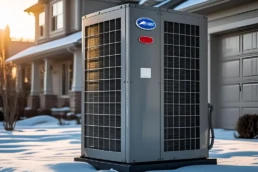
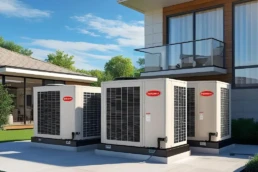
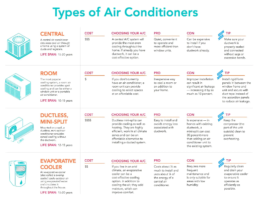
Central air is the most common whole-home cooling choice, and it comes in two forms: split systems, which pair an outdoor condenser with an indoor coil and air handler, and packaged systems, which house everything in one outdoor cabinet for homes short on indoor space. Split systems suit most Philadelphia homes with existing ductwork; packaged units fit ranch homes, manufactured homes, and tighter footprints. For a full split-versus-packaged breakdown and buying advice, see our guide to the best types of central air conditioners.
Comparing Central Air Conditioning System Types?
Not all central air conditioning systems are built the same. Some homes use traditional split-system units, while others rely on packaged systems or high-efficiency configurations. Our detailed guide explains how each type works and what homeowners in the Philadelphia area should consider before installing or upgrading a system.
Main Types of Residential Air Conditioning Systems
- Central air conditioning systems (split-system or packaged)
- Heat pump heating and cooling systems
- Ductless mini-split air conditioning systems
- Room air conditioners (window or portable units)
Heat Pump HVAC Systems
The heat pump system can be described as a modified version of the split system – it functions very similarly to a standard central AC. In the summer, a heat pump drives out hot air from inside and replaces it with cooled air (just like a regular AC). In winter, it reverses operation to absorb heat from outside and bring it indoors, providing warmth. However, it’s important to note that traditional heat pumps may struggle in areas with prolonged sub-freezing temperatures, as extremely cold air limits their heating ability. To overcome this limitation in colder climates, manufacturers equip heat pump air handlers with auxiliary electric heating elements. These backup heaters are generally triggered when outdoor temperatures drop below freezing, ensuring your home stays warm even in the coldest weather.
Some manufacturers also offer specialized heat pumps that tap into ground-source energy. These geothermal heat pump systems use the stable underground temperatures to exchange heat. Geothermal systems can be advantageous for efficiency and long-term energy savings, but they come with an added upfront cost of roughly 40% more than standard heating systems. They might be worth considering for homeowners seeking a green solution and planning to stay long-term in their homes.
Ductless Mini Split Systems
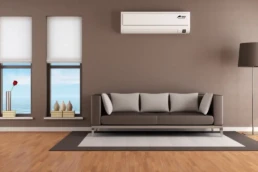
For homes that do not contain ductwork, the ductless mini-split system is often the best fit. These systems offer a convenient and efficient solution for cooling individual rooms or zones in your home. Like split systems, ductless mini-splits consist of an outdoor compressor/condenser unit along with one or more compact indoor air-handling units. The refrigerant circulates between the indoor and outdoor components through insulated tubing, allowing for the transfer of heat out of the home and cool air in.
One of the greatest benefits of the ductless mini-split system is its flexibility and ease of installation. Unlike traditional central air conditioning systems that require extensive ductwork, a ductless mini-split can be installed with minimal disruption to your home. This means no need for major modifications to walls or ceilings, making it a popular choice for older homes or buildings with limited space for ducts.
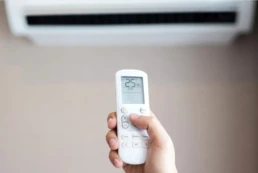
Another advantage of the ductless mini-split system is its ability to provide individualized comfort control. Each indoor unit can be independently controlled, allowing you to set different temperatures for each zone or room in your home. This level of zoning control not only enhances comfort but also helps optimize energy efficiency by cooling only the areas that are in use. Family members can customize their room temperatures to their liking without fighting over one central thermostat.
Mini-splits in Philadelphia
In many Philadelphia homes – especially in South Philadelphia, where houses are often older and may not have existing ductwork – the ductless mini-split system is a preferred choice. It offers a cost-effective and efficient solution for cooling individual rooms or additions without the need for extensive renovations. In fact, a lot of rowhomes and historic houses in the city have turned to mini-splits as an easy retrofit for modern AC. The zip codes in South Philadelphia where ductless units work perfectly include 19112, 19145, 19146, 19147, and 19148, among others. If you live in a home without ducts, consider the benefits of a ductless mini-split system. Its flexibility and individualized comfort control make it an excellent choice for keeping your home cool during Philly’s hot and humid months.
When choosing the right AC system for your Philadelphia home, always prioritize quality, durability, energy efficiency, and potential energy savings. While the upfront investment is an important factor, taking into account long-term benefits, operating costs, and future repair costs is crucial to making the best decision for your household.
Residential AC Systems in Philadelphia – We’re Here to Help!
EMCO Tech heating and cooling offers complimentary in-house consultations to help you determine the ideal cooling solution. Contact us 2153661001 to schedule an appointment, or book your next service call online for any residential air conditioning system service in the Philadelphia area. We invite you to search for EMCO Tech online and read our customer reviews and see why we’re trusted in the community.
Ensure a comfortable home environment during Philadelphia’s summers by choosing the right air conditioning system for your needs.
Room Air Conditioners for Single Rooms (Window and Portable AC Units)
Beyond the four major system types above, there are also unitary air conditioners designed to cool just one room or small area. The most common are window AC units and portable AC units, which are often used in apartments or older homes without whole-house systems.
Window Air Conditioners
A window air conditioner is a self-contained unit that fits into a window opening or a dedicated wall slot. It includes all the necessary refrigeration components—such as the compressor, coils, and fans—within one compact box. The exterior portion of the unit expels heat outside, while the interior side blows cooled air into the room. Window air conditioners (ACs) come in various sizes, capable of cooling spaces from a small room to an entire floor, depending on their BTU capacity. They are an economical choice and are often easy to install on your own, making them one of the simplest and most affordable cooling solutions available. However, because the compressor is located inside the unit, window ACs tend to be noisier than split systems or central air conditioning; you may notice vibrations and fan sounds within the room. Additionally, they obstruct part of the window and may not fit irregularly sized windows. Despite these drawbacks, window units are very common in Philadelphia rowhomes and city apartments, providing cost-effective relief from the summer heat.
Through-the-wall Air Conditioners
Through-the-wall air conditioners and heat pumps are designed for installation directly into a wall, offering a compact, self-contained solution for cooling and heating. These units include all necessary refrigeration components and can efficiently manage temperatures in various room sizes.
Unlike window units, through-the-wall systems do not obstruct views and tend to be quieter since the compressor is outside. Heat pumps also provide the benefit of both heating and cooling, making them a versatile year-round option. Though installation may require exterior modifications, their sleek design and dual functionality make them a popular choice in urban living spaces.
Portable Air Conditioners
A portable AC is a movable floor unit that cools room air and exhausts heat through a hose to a window or vent. It’s ideal for situations where window installation isn’t feasible, offering flexibility and easy mobility with casters. However, it often requires manual water drainage and can be noisy while being less efficient than central systems. Portable ACs are suitable for temporary cooling in small to mid-sized rooms and are typically more affordable than central air systems. They provide immediate cooling solutions for renters or those needing to cool a single room, while homeowners seeking long-term efficiency may prefer ducted or ductless systems.
Summary of Portable AC, Through-the-wall Heat Pumps, and Window Units
In summary, window and portable AC units are great single-room solutions. They don’t require professional installation and are budget-friendly, but they primarily address immediate cooling needs rather than whole-house comfort. If you’re a renter or just need to cool one space (like a bedroom or home office), these room AC options can be a lifesaver during heat waves. For homeowners looking for long-term, energy-efficient, and quieter solutions to cool an entire house, investing in a ducted central system or a ductless mini-split system would be more suitable.
Comparing AC System Types: Costs and Efficiency
When evaluating different types of air conditioning systems, it’s important to consider both the initial cost of the equipment and installation and the operating costs/efficiency over time. Here’s a quick comparison:
Window & Portable Units
Upfront Cost: These units have the lowest upfront cost. A small window AC can cost as low as ~$150, while larger window units or portables for big rooms may run up to $500–$800. Installation cost is minimal (often a DIY job), maybe involving a simple mounting kit. This makes them attractive for those on a tight budget or in temporary living situations. However, keep in mind that using multiple window units in a home can be less efficient than a centralized solution.
Central Air Conditioning System
Central Split-System AC – Upfront Cost: Installing central air conditioning involves a higher initial investment due to the need for both the AC unit and ductwork. In the Philadelphia region, the cost of installing a new central AC system for an average single-family home typically falls between $6,000 and $9,000, depending on the size of the house and the efficiency of the system. If new ductwork is required or if you choose a premium high-SEER unit, expenses can exceed $12000. However, central air conditioning significantly enhances a home’s value and comfort by providing consistent cooling across all rooms through duct systems. Investing in central AC is a worthwhile decision for improved indoor climate.
Ductless Mini-Split Systems: Understanding Initial Investment
Ductless Mini-Split – Upfront Cost: The cost of a ductless mini-split heating and cooling system can vary significantly depending on the number of indoor “zones” required. For a single-zone system, which includes one indoor unit and one outdoor unit, installation can exceed $3,000. In contrast, multi-zone systems designed for several rooms can range from $5,000 to $15,000 or more, encompassing both equipment and installation costs. Generally, homeowners should budget a few thousand dollars for each zone, as this includes the indoor air handler and a portion of the outdoor unit’s cost.
While the initial investment may be comparable to or slightly higher than traditional central air conditioning systems, ductless mini-splits offer enhanced energy efficiency and eliminate the need for ductwork installation in older homes, making them a smart choice for many.
Energy Efficiency & Operating Costs
Modern central AC and ductless systems are far more efficient than older units or window units. Efficiency is measured by SEER (Seasonal Energy Efficiency Ratio) – the higher the SEER, the less electricity the system uses for the same cooling output. Ductless mini-splits tend to have very high SEER ratings (20+ for many units) and avoid the energy losses associated with ductwork, so they can provide lower monthly cooling costs. High-efficiency central AC systems (especially new inverter-driven compressors or two-stage units) also offer excellent efficiency and better humidity control, at a premium price point. Window ACs and portables, while cheaper to buy, usually have lower efficiency (and you might need multiple units). They can also strain your electric bill if running many hours a day, since each unit cools a limited area. For example, running a single 8,000 BTU window AC in one room might be affordable, but trying to cool a whole house with 4–5 window units will use a lot of power. When it comes to noise and aesthetics, central and ductless systems win hands-down – the loud compressors are outside or in the basement, not right in your living space as with a window or portable unit.
Maintenance & Longevity
Central and mini-split systems require periodic professional maintenance (tune-ups, filter changes, checking refrigerant levels) to run efficiently. They generally last 15–20 years if well maintained. Window and portable units may last around 8–10 years, but they might need more frequent cleaning (filters, coils) due to being exposed to the elements and indoor dust. They’re also more prone to leaking water if not installed properly. On the flip side, if a window unit fails, it’s relatively cheap to replace compared to a failed central AC compressor. Homeowners should factor in these maintenance and lifespan considerations. If you plan to stay in your home long-term, investing in a quality central or ductless system will pay off in comfort and reliability.
Choosing a System for Your Home?
If a whole-home system is the right fit, our team installs and replaces it. Explore central air conditioning for your home, or compare options with our AC buying guide.
How to Choose the Right Air Conditioning System for Your Home
Choosing the perfect AC system for your needs involves balancing your home’s characteristics with your budget and priorities. Here are a few key considerations to help guide your decision:
Home Size and Layout
The size of your home (and whether it’s open-plan or has many separated rooms) will influence the best cooling solution. For a small apartment or a single-story bungalow, a couple of well-placed window units or a ductless unit might suffice. For a larger multi-story house, a central AC system or a combination of central plus supplemental ductless units might be more effective at delivering even cooling. In general, central AC is great for cooling an entire house uniformly, whereas ductless shines in targeted zone cooling or additions. If you only need AC in certain areas (e.g. bedrooms at night), ductless allows selective usage which can save energy.
Existing Infrastructure (Ductwork or Not)
Does your home already have furnace ducts installed (for heating)? If yes, adding a central AC (split system) can be straightforward, utilizing that duct network to distribute cool air. Many Philadelphia homes, especially newer or renovated ones, have central heating ducts that can double for AC. However, if your home is older without ducts (common in historic Philly rowhomes and some suburbs), installing new ductwork can be invasive and costly. In such cases, opting for ductless mini-splits is often the better route to add AC without a major remodel. Ductless systems require only a small hole for refrigerant lines, making them ideal for retrofitting cooling into older homes with radiant heat or those beautiful 1920s houses in areas like Chestnut Hill or Jenkintown that never had central air.
Climate and Usage
Philadelphia’s climate has hot, humid summers and can get quite cold in winter. If you want a system that provides both cooling and heating, a heat pump or ductless heat pump system could be attractive – they can serve as your air conditioner in summer and supplemental heater in spring/fall or even winter. However, remember that air-source heat pumps lose efficiency in sub-freezing weather, so you’d need a backup heat source (which most Philly homes have, like a furnace or boiler). If your summers are the main concern, any good AC (central or ductless) with the appropriate capacity will do the job; just ensure it’s sized correctly. Oversized ACs can short-cycle and not dehumidify well, while undersized units will struggle to cool on the hottest days.
Budget Constraints
Upfront budget plays a big role. If you need an immediate cooling solution and funds are limited, a window AC in the bedroom might be the quickest fix. For homeowners with a moderate budget, a ductless mini-split installation can start with one zone and expand later as budget allows (you could cool the main living area this year, and plan for additional zones in the future). If you have a larger budget or are already doing renovations, installing a full central AC system or high-end multi-zone mini-split system will maximize comfort and add value to the home. Always consider long-term operating costs too – a slightly more expensive high-efficiency unit can save money over time on utility bills, which matters if you plan to live there for many years.
Efficiency and Technology Preferences
Some people are very conscious of energy usage or want the latest smart home tech. If that’s you, look into systems with high SEER ratings, smart thermostats or Wi-Fi controls (many ductless systems come with smartphone apps for control), and features like variable-speed compressors. These features can improve comfort (by keeping more stable temperatures) and save energy. For example, an inverter-driven ductless unit will modulate its output and often dehumidify better, maintaining a steady cool temperature without big swings. On the other hand, if you just want basic, no-frills cooling, a standard central AC or even a couple of window units with simple dial controls can do the trick without complicated technology. There’s no one-size-fits-all answer – it’s about what benefits you value most (whether it’s cost, efficiency, quiet operation, or flexibility).
EMCO Tech Heating & Cooling Serving Eastern PA
By weighing these factors – and perhaps consulting with HVAC professionals – you can choose an air conditioner that keeps your home comfortable and aligns with your lifestyle. Remember that the “best” AC system is one that fits your home’s needs and your personal priorities. For instance, a young professional in a downtown Philly condo might prioritize low upfront cost and go with a portable or window unit, while a family in a sprawling suburban house in Willow Grove might invest in a robust central air system with smart zoning to cover the whole home. Consider not only the immediate fix for cooling, but also the long-term satisfaction, especially as energy prices fluctuate and technology advances.
Tailored Cooling Solutions Across Philadelphia & Surrounding Areas
As a trusted HVAC company based in Greater Philadelphia, EMCO Tech understands that each neighborhood has distinct cooling needs. In Center City and South Philadelphia, historic townhomes often lack ductwork, making ductless mini-split systems the go-to solution for efficient comfort without compromising architecture. In contrast, larger homes in areas like Willow Grove (19090), Gladwyne (19035), and Doylestown (18901) typically benefit from central air conditioning or hybrid split systems designed for multi-story layouts and high square footage. Upscale communities like Bryn Mawr, Bala Cynwyd, and New Hope (18938) frequently opt for high-efficiency multi-zone ductless systems, combining whisper-quiet operation, zoned comfort, and modern aesthetics. Whether you live in a compact city rowhome or a luxury estate, the ideal system depends on both your home’s layout and your lifestyle.
Local Climate, Humidity & Energy Incentives: Why It Matters
Philadelphia summers are more than just hot — they’re intensely humid. That’s why we recommend AC systems that deliver both cooling and dehumidification. A properly sized central or ductless system doesn’t just lower the temperature — it helps control indoor moisture, keeping your home comfortable and your air quality healthy. In July and August, when that muggy air hits, a reliable AC with built-in humidity control becomes more than a luxury — it’s essential. On top of that, homeowners throughout Montgomery, Bucks, and Delaware Counties can take advantage of local rebates from PECO or federal tax credits when installing Energy Star-certified HVAC systems. While high-efficiency systems cost more up front, they deliver lower operating costs year-round and can pay for themselves with both comfort and savings.
Why Local HVAC Expertise Makes All the Difference (And How to Get Started)
Not all homes are built the same — and your HVAC system shouldn’t be either. EMCO Tech has nearly two decades of experience helping homeowners across Philadelphia, Willow Grove, Bala Cynwyd, Doylestown, Bryn Mawr, and beyond choose cooling systems tailored to their home’s age, structure, and budget. We’ve installed ductless systems in brick townhouses, central air in renovated colonials, and rooftop packaged units in commercial buildings. We know the zoning laws, rebate programs, and energy codes in your area — and we know what works. Whether you’re comparing the 4 main types of air conditioning systems, weighing AC types and prices, or upgrading an older unit, we’re here to help you stay cool — and make the right investment.
Ready to Upgrade Your Comfort?
Don’t settle for one-size-fits-all advice. EMCO Tech Heating & Cooling offers personalized HVAC consultations for homeowners across Philadelphia, Willow Grove, and the surrounding counties. We’ll assess your home, recommend the most efficient and affordable cooling solution, and guide you through available rebates and installation options. Call us today at 215-366-1001 or schedule online for fast, local help.
EMCO Tech — smart cooling solutions for every zip code, every home, every budget.
Frequently Asked Questions
❓ What are the 4 main types of residential AC systems?
The four main residential AC types are central (split systems), ductless mini-splits, heat pumps, and packaged units. Each has its own installation method, efficiency level, and ideal use cases.
❓ Which AC system is best for homes in Philadelphia?
In Philadelphia, homes with existing ducts often use central AC. Older rowhomes may benefit more from ductless mini-splits, which require no ductwork and offer zone cooling.
❓ How much does it cost to install central air conditioning?
Central AC installation in the Philadelphia area typically ranges from $5,000–$10,000 depending on home size, ductwork condition, and SEER rating of the unit.
❓ Are ductless mini-split systems energy efficient?
Yes. Ductless mini-splits are highly efficient, especially for homes without ductwork. They offer individual room control and high SEER ratings, which can reduce energy bills.
❓ Do you install room AC units like window or portable air conditioners?
No, EMCO Tech does not service or install small window or portable AC units. These are usually more cost-effective to replace than to repair.
Latest Updates – Keep Cool, Feel Warm, Breathe Clean Air with EMCO Tech
Emergency Heat (AUX) Won’t Turn Off? Here’s Which Heat Pump Fixes It
If AUX or emergency heat runs all winter, the heat pump has handed your house to electric backup strips, and the PECO bill shows it. See how…
Planning a Heat Pump Replacement: Upgrade Before It Fails
The worst time to replace a heat pump is the morning it dies. A planned swap lets you choose the equipment, lock in better pricing, and stay warm on…
Great overview! Understanding the four main types of residential air conditioning systems—central air conditioners, ductless mini-split systems, window units, and portable air conditioners—is crucial for homeowners looking to make informed decisions about their cooling needs.
I usually don’t read full posts like this, but this one was easy to follow. Good overview of AC system types without making it too complicated.
That’s exactly what we aim for — simple explanations without all the unnecessary jargon. Choosing between systems can get overwhelming, especially when comparing different air conditioning options.
This was a helpful breakdown of different residential air conditioning systems. It makes it easier to understand the difference between central air conditioning, ductless mini-splits, and heat pump systems before deciding what might work best for a Philadelphia home. I also liked that the article explained comfort, efficiency, and installation considerations in simple terms.
Thank you, Bernice. We’re glad the guide helped make the options clearer. Choosing between central AC, ductless mini-splits, and heat pump systems depends on the home layout, comfort needs, and budget. EMCO Tech Heating & Cooling helps homeowners compare the right cooling options before installation or replacement. You can also learn more about our central air conditioning services.