


Why Your Furnace Smells Like Rotten Eggs, and How to Stop It Before It Gets Dangerous
A rotten egg smell from a gas furnace or boiler can mean a natural gas leak. Gas companies add mercaptan, a chemical that smells like sulfur, to natural gas so you notice a leak right away. Treat that smell as a leak until a professional rules it out.
Electric heaters and electric furnaces don’t burn gas, so when they smell like rotten eggs, the odor usually comes from a nearby gas appliance, sewer gas, or an overheating part, and the blower spreads it through the house. Our technicians have been tracking down heating odors across Philadelphia and the suburbs since 2006. We find the source first, then fix it.
Smell Rotten Eggs Right Now?
Leave the house first and call your gas utility from outside: PGW in Philadelphia or PECO in most of the suburbs. Once it's safe, call us for gas leak repair and a full furnace safety check.
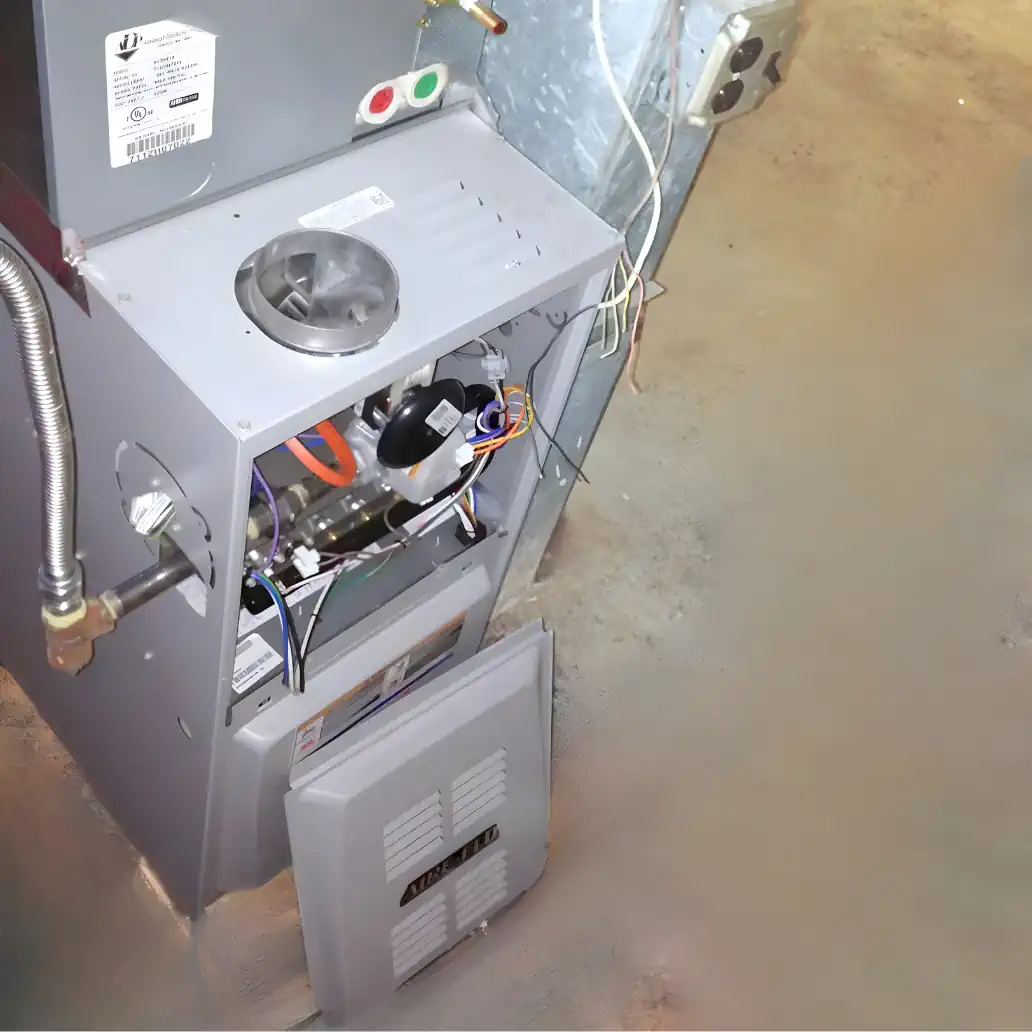
Safety First: Don’t Ignore the Warning Signs
If you smell gas or suspect a leak, evacuate immediately. Grab your family and pets, and get outside. Call 911 from a safe spot. Don’t touch switches or phones inside, they can spark ignition.
Quick emergency steps if you detect a rotten eggs, burning, or sulfuric smell:
- Evacuate everyone now. No heroes.
- Avoid sparks: Don’t use lights, appliances, or start your car.
- Ventilate if safe: Crack windows on your way out, but don’t linger.
- Call pros from outside: Contact emergency services, then EMCO Tech at (215) 366-1001.
- Stay out: Wait for clearance from authorities or certified technicians.
Regular maintenance prevents most of these issues. Check out our gas furnace maintenance in Philadelphia to stay safe.
Common Causes of Furnace Odors (and Why They’re Not DIY-Friendly)
Furnaces are machines that wear down over time, and smells are warnings. Here’s the quick breakdown:
- Rotten Eggs Smell (Gas Leak): Usually mercaptan. Could mean faulty valves or gas line leaks. Don’t touch it, call a pro.
- Burning Smell: A burning or hot-plastic smell can mean a blower motor, wire connection, or heating element is overheating, or something is too close to a hot part. If it lingers or keeps coming back, shut the system off and call us.
- Sewage or Sulfuric Odors: Caused by bacterial growth or sewer gas backup.
- Electric Heater Smells: Electric heaters don’t burn gas, so a rotten egg smell usually comes from a nearby gas appliance, sewer gas, or an overheating part that the blower spreads through the house. Here’s what it means.
Ignoring these signs risks carbon monoxide poisoning, fires, and high bills. Schedule a gas furnace repair in Philadelphia or explore electric furnace services.
Electric Heater Smells Like Rotten Eggs? Here’s What It Means
Electric heaters, electric furnaces, baseboard heaters, and heat pumps don’t burn fuel, so they can’t leak natural gas or make combustion fumes on their own. When an electric heater smells like rotten eggs, the smell is almost always coming from somewhere else and the heater’s airflow is spreading it. The most common sources:
- A gas leak from another appliance. A gas water heater, stove, dryer, or gas line nearby can leak, and the heater’s fan carries the smell through the house. Treat it as a gas leak until a professional rules it out.
- An overcharging battery. Lead-acid batteries in a UPS backup or a sump pump battery backup can release hydrogen sulfide, which smells like rotten eggs, when they overcharge or fail.
- Overheating electrical parts. A failing blower motor, heating element, or wire connection usually smells like burning plastic or fish rather than eggs, but it can be hard to tell apart. Either way, it’s a fire risk.
- Sewer gas. A dry floor drain or plumbing trap near the air handler can let sewer gas into the return air, and the heater spreads it.
If there’s any chance it’s gas, leave the house and call your gas utility from outside. If the smell is electrical, turn the heater off at the breaker and don’t use it again until it’s been checked. Our electric furnace repair technicians find the source and fix it safely.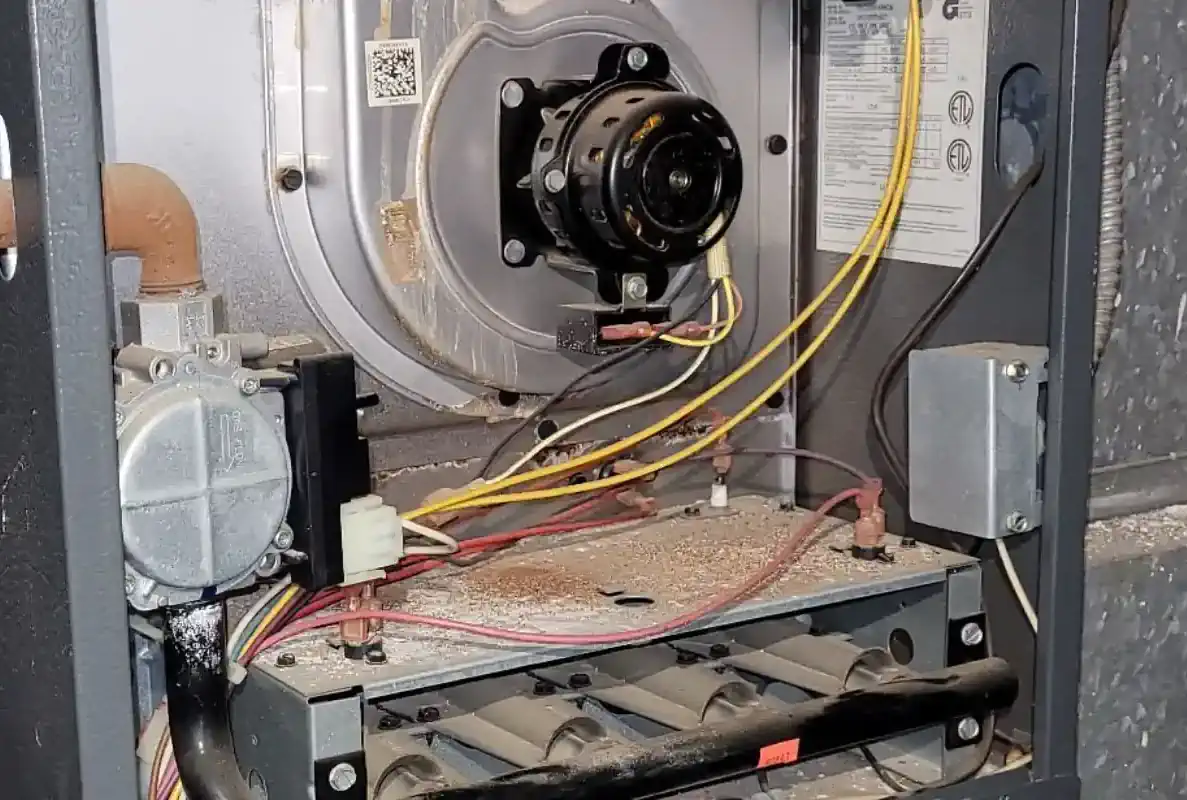
Rotten Egg Smell Only When the Heat Comes On
If the rotten egg smell shows up right when the furnace starts, or blows out of the heat vents and then fades, the most likely causes are:
- A small gas leak at the furnace. A loose fitting or a failing gas valve can release a little gas every time the burners light. This is the most important one to rule out, because small leaks can get bigger.
- Delayed ignition. When the burners are slow to light, gas builds up for a moment before it ignites, which can give off a quick puff of rotten egg smell and a loud boom or whoosh.
- A smell that was already in the basement. The blower pulls air from around the furnace, so a gas leak at the water heater, sewer gas from a floor drain, or a dead animal near the return gets spread through every vent the moment the heat kicks on.
Furnace Smells Like Sulfur
A sulfur smell from the furnace, especially from the exhaust or around the vent pipe, can mean combustion gases aren’t leaving the house the way they should. A blocked flue, poor chimney draft, or a cracked heat exchanger can push exhaust back into the home, and with it carbon monoxide. Oil furnaces and oil boilers are the most likely to smell like sulfur, because heating oil contains sulfur and a dirty nozzle, delayed ignition, or a blocked chimney makes it obvious. Turn the system off, open a window, and call for service. A cracked heat exchanger is one of the signs your furnace is going out, and our oil furnace repair technicians handle sooty, smelly oil burners every winter.
Boiler Smells Like Rotten Eggs?
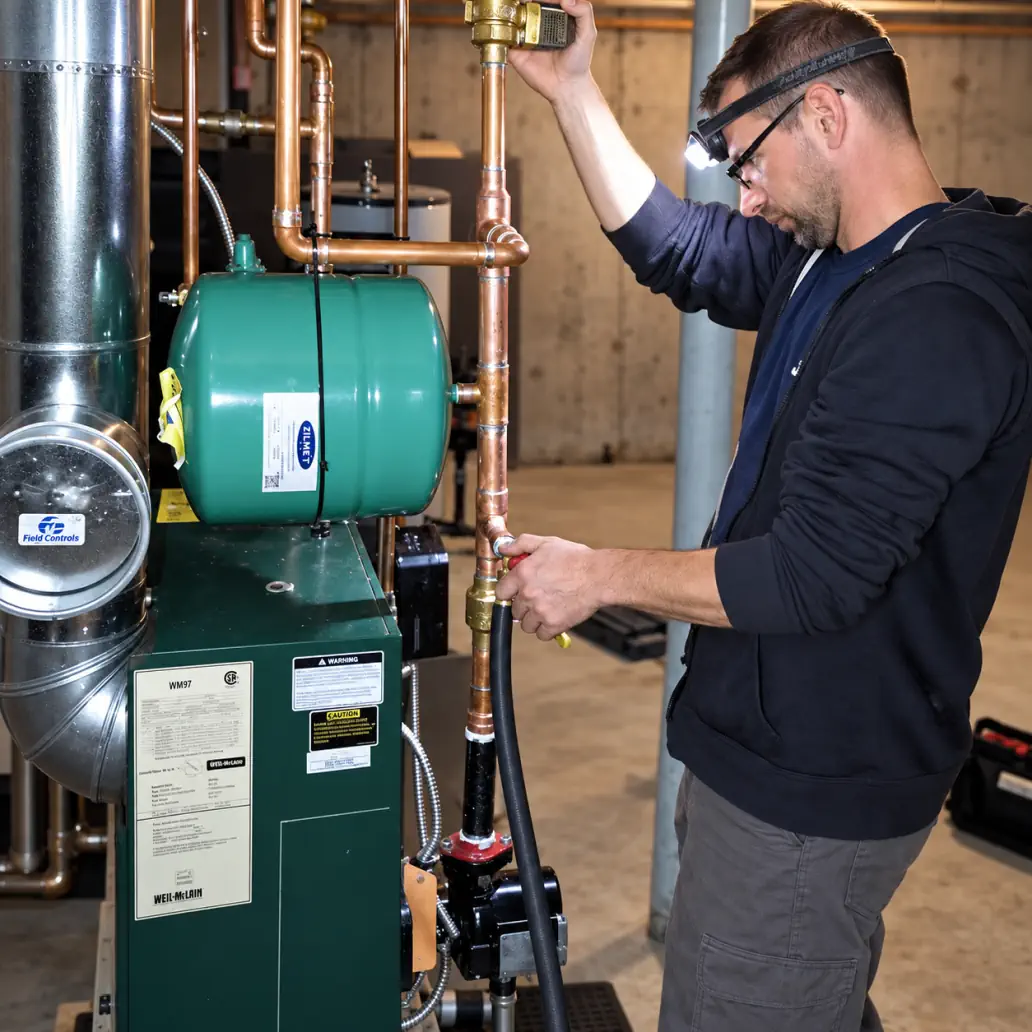
Boilers can smell like rotten eggs for the same reasons furnaces do. On a gas boiler, a leak at the gas valve, a fitting, or the gas line is the first thing to rule out. On an oil boiler, a sulfur or rotten egg smell usually points to poor combustion or a venting problem: a dirty burner, a clogged nozzle, delayed ignition, or a blocked chimney. Boiler rooms often have floor drains too, and a dry drain can let sewer gas into the room. Because boilers sit in basements and utility rooms that people rarely check, the smell can build for a while before anyone notices. Our boiler repair technicians check gas connections, combustion, and venting on gas, oil, and steam boilers.
Furnace Smells Like a Dead Animal, Sewage, or Skunk
Dead Animal Smell
A dead animal smell from the furnace or vents usually means exactly that: a mouse, bird, or squirrel got into the ductwork, the return air, or the furnace cabinet and died there. The smell gets worse when the blower runs because warm air carries it through the house. The animal has to be found and removed, and the area cleaned, before the smell will go away. Some people also describe the natural gas odorant as a dead animal or skunk smell, so if you can’t find an obvious source, treat it as a possible gas leak.
Sewage Smell
A sewage smell when the furnace runs usually comes from a dry floor drain or plumbing trap near the furnace, a condensate drain line on a high-efficiency furnace that has lost its water seal, or a cracked drain or vent pipe nearby. The blower pulls that sewer gas into the return air and spreads it through the vents.
Skunk Smell
Natural gas and propane are odorized with mercaptan, which many people describe as smelling like skunk or rotten eggs. If your furnace or furnace room smells like skunk and there’s no skunk outside, assume it’s gas. Leave the house and call your gas utility from outside: PGW in Philadelphia, or PECO in most of the suburbs. Then call us for gas leak repair once the utility has made it safe.
How to Fix Rotten Eggs Smell from Furnace (The Right Way)
DIY hacks won’t save you here. Most are temporary and risky. Do this instead:
- Shut it down: Turn off the furnace at the thermostat or breaker.
- Inspect safely: You can vacuum vents but stop there.
- Call experts: We recommend Carrier gas furnaces for reliability.
- Prevent future problems: Get a professional gas furnace installation or regular tune-up through our gas furnace services.
These smells often mean it’s time for an upgrade. EMCO Tech handles diagnostics, repairs, and installations to keep your Philadelphia home safe and efficient.
AC or Heat Vents Smell Like Rotten Eggs?
Air conditioners don’t use gas either, but in most homes the AC and the furnace share the same blower and ductwork. That means a gas leak near the furnace, sewer gas from a dry condensate trap, or a dead animal in the ducts can come out of the vents whether the heat or the AC is running. If your AC or heat vents smell like rotten eggs, check whether the smell is strongest near the furnace or air handler, then follow the same safety steps: if there’s any chance it’s gas, get out and call the utility. For cooling-side problems, our AC repair technicians clear condensate drains and track down odors in the air handler and ducts.
Ready to Ditch the Stink? Contact EMCO Tech Today
Don’t let a smelly furnace ruin your winter. Professional help beats DIY disasters every time. Call (215) 366-1001 or contact us online for fast, expert HVAC service in Philadelphia and nearby areas.
Furnace or Heater Smell Won't Go Away?
Our technicians track down rotten egg, sulfur, sewage, and dead animal smells from furnaces, boilers, electric heaters, and AC systems, then fix the cause with the price before any work starts.
Furnace Smells Like Rotten Eggs FAQ
That smell is mercaptan, the sulfur-scented additive gas companies put in natural gas so a leak can’t sneak past you. Natural gas has no smell of its own, so when you smell rotten eggs near a gas furnace, the most likely cause is gas escaping from a valve, a fitting, or the gas line. On an oil furnace, a sulfur smell usually points to poor combustion instead. Either way, your nose is doing exactly what it’s supposed to.
What to do: Leave the house, call your gas utility from outside (PGW in Philadelphia, PECO in most of the suburbs), and once it’s safe, call us for gas furnace repair in Philadelphia.
Yes, and it should be treated as dangerous until someone rules it out. A gas leak can ignite from a single spark, and a furnace with a gas or venting problem can also put carbon monoxide into the house, which causes headaches, dizziness, and nausea. Waiting to see if the smell goes away on its own is the one move that makes it worse.
What to do: Get everyone out, call 911 or your gas utility from outside, and after the all-clear, book a safety check through our gas furnace maintenance in Philadelphia.
Here’s the good news: this one isn’t on you. Finding a gas leak takes a combustible gas detector and a pressure test, and repairing it means working on live gas lines. Our technicians trace the leak to the exact valve or fitting, repair it, and test the whole system before the furnace runs again. On an electric heater, the smell usually comes from a nearby gas appliance or an overheating part, and the same rule applies: let a pro find it.
What to do: Don’t flip switches or adjust the thermostat, just get out and call. Then schedule our gas furnace services. If the furnace is old enough that repairs keep piling up, we can walk you through Carrier residential gas furnaces and gas furnace installation in Philadelphia.
A burning smell when the heat comes on can mean a blower motor, wire connection, or heating element is overheating, or debris is sitting on a hot part. If it lingers, keeps coming back, or smells like hot plastic or fish, turn the system off and call us.
What to do: For electric systems, book our electric furnace services. For any furnace, a heater tune-up catches worn parts before they cause smells or a breakdown.
A sewage smell usually comes from a dry floor drain or plumbing trap near the furnace, or a condensate line on a high-efficiency furnace that has lost its water seal. The blower pulls that sewer gas in and spreads it through the vents. A dead animal smell usually means exactly what it sounds like: a mouse or bird got into the ducts or the furnace cabinet, and Philly winters send plenty of them looking for a warm spot.
What to do: An air freshener buys you about an hour. Call us at (215) 366-1001 or contact us online, and we’ll find the source, remove it, and clean up the area.
Yes. A clogged filter chokes airflow, so the furnace runs hot and dust collects on parts it shouldn’t touch, and that can smell like burning. A brand-new furnace can also give off a light oily smell for its first few heating cycles as factory coatings burn off, and that should fade within a few days. An oil or exhaust smell that sticks around, or anything that smells like rotten eggs, is a different story and needs a technician.
What to do: If a smell lingers, call us. On a new system, our gas furnace installation team checks gas connections, venting, and combustion before we leave, so you’re never left guessing.
Most furnace smells start with something small: a loose gas fitting, a dirty burner, a clogged condensate drain, or a critter finding its way into the ducts. A yearly tune-up catches those before they turn into a smell, a no-heat call, or worse. On oil systems, a clean burner and a healthy tank matter too.
What to do: Book our gas furnace maintenance in Philadelphia before the cold sets in. It costs a lot less than an emergency call.
No. A new furnace may have a light oily smell for its first few cycles, but it should never smell like rotten eggs. Rotten eggs on a new install points to a gas connection that needs attention right away, not something to keep an eye on for a few days.
What to do: If the smell is strong, leave and call your gas utility from outside. Then call for gas furnace repair.
Most people describe it as rotten eggs, sulfur, or skunk, and some say burnt garlic. Natural gas and propane have no smell on their own, so suppliers add mercaptan, which you can pick up even at very low levels. If you smell it, trust it.
What to do: Leave the house and call your gas service provider from outside. Once it’s safe, book an appointment for gas line repair.
An electric heater can’t leak gas or produce combustion fumes, so a rotten egg smell usually comes from something nearby that the heater’s airflow is spreading. The most common source is a gas leak at another appliance, like a gas water heater, stove, or dryer. An overcharging lead-acid battery in a UPS or sump pump backup can also release hydrogen sulfide, which smells like rotten eggs. Overheating wiring or motors usually smell like burning plastic or fish. If there’s any chance it’s gas, leave and call your gas utility from outside. If it smells electrical, shut the heater off at the breaker and have it checked.
A dead animal smell from a furnace usually means a mouse, bird, or squirrel got into the ductwork, return air, or furnace cabinet and died there. The smell gets stronger when the blower runs, because warm air carries it through every vent in the house. The animal has to be found and removed, and the area cleaned, before the smell goes away, and any gaps where it got in should be sealed. Some people also describe the odor added to natural gas as a dead animal or skunk smell. If you can’t find an obvious source, treat it as a possible gas leak and call your gas utility from outside.
No. Carbon monoxide has no smell, no color, and no taste, which is why a working carbon monoxide alarm on every level of your home is so important. The rotten egg smell comes from mercaptan, the odorant gas utilities add to natural gas and propane so leaks can be detected. That said, the two problems can show up together. A furnace with a gas leak, a blocked flue, or a cracked heat exchanger can produce both a smell and carbon monoxide. If your CO alarm sounds, or anyone has headaches, dizziness, or nausea that ease when they leave the house, get everyone outside and call 911.
On a gas boiler, a rotten egg smell most often means gas is leaking at the gas valve, a fitting, or the gas line, so treat it as a leak: leave the house and call your gas utility from outside. On an oil boiler, a sulfur or rotten egg smell usually points to poor combustion or venting, like a dirty burner, a clogged nozzle, delayed ignition, or a blocked chimney, because heating oil contains sulfur. A dry floor drain in the boiler room can also let sewer gas in. A technician can test the gas connections, combustion, and draft to find the exact cause and make the boiler safe again.
Propane is odorized with the same kind of rotten egg smelling chemical as natural gas, so a rotten egg smell from a propane furnace, heater, or space heater should be treated as a possible leak. Turn the heater off if you can do it safely, leave the area, and call your propane supplier from outside. A smell can also show up when a propane tank is running very low, but you shouldn’t assume that’s the cause. Once the supplier has made it safe, have the heater, the regulator, and the connections checked by a technician before you use them again, especially on an older unit.
An air conditioner doesn’t burn gas, but in most homes it shares the same blower and ductwork as the furnace. So a gas leak near the furnace or water heater, sewer gas from a dry condensate trap or floor drain, or a dead animal in the ducts can all come out of the vents while the AC runs. Start by noticing where the smell is strongest. If it’s near the furnace or any gas appliance, treat it as a gas leak and call your utility from outside. If it’s near the indoor coil or drain line, a technician can clean the condensate drain, restore the trap, and track down the source.
A new furnace often gives off a light burning or oily smell for the first few heating cycles as manufacturing oils and coatings on the heat exchanger and burners burn off. It usually fades within a few days of regular use. It should never smell like rotten eggs, sulfur, or strong exhaust, and it shouldn’t set off a carbon monoxide alarm. If it does, or if the burning smell lasts more than a week, turn the furnace off and have the installer check the gas connections, venting, and combustion right away.
Furnace Smell and Gas Safety Services
Gas Leak Repair
Leak detection and repair on furnace, boiler, and appliance gas lines.
Gas Furnace Repair
Gas valves, delayed ignition, venting, and heat exchanger problems.
Emergency Service
Fast response when a smell, a CO alarm, or no heat can't wait.
Boiler Repair
Gas, oil, and steam boilers with smells, leaks, or venting issues.
Electric Furnace Repair
Overheating elements, motors, and wiring that cause burning smells.
Winter Heater Tune-Up
Gas connections, venting, and a carbon monoxide test before the cold sets in.
More on Furnace Smells and Heating Safety
Latest Updates – Keep Cool, Feel Warm, Breathe Clean Air with EMCO Tech
Emergency Heat (AUX) Won’t Turn Off? Here’s Which Heat Pump Fixes It
If AUX or emergency heat runs all winter, the heat pump has handed your house to electric backup strips, and the PECO bill shows it. See how…
Planning a Heat Pump Replacement: Upgrade Before It Fails
The worst time to replace a heat pump is the morning it dies. A planned swap lets you choose the equipment, lock in better pricing, and stay warm on…