


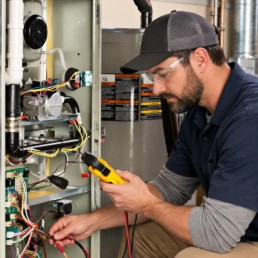
Furnace Repair That Gets the Heat Back On
We repair gas, oil, and electric furnaces of every major brand for homes in Philadelphia and Montgomery, Bucks, Chester, and Delaware counties. Our technicians carry common furnace parts on every van, find the real cause, and give you a written estimate before any work begins, so most repairs are finished in one visit.
How We Repair Your Furnace
A furnace that won’t start, runs without warming the house, or shuts off after a few minutes usually has one failed part behind it. Finding that part takes testing, not guessing. Our technicians check the full heating sequence, from the thermostat call to ignition, flame, airflow, and the safety switches, until they find the cause and fix it.
EMCO Tech has repaired furnaces in local homes since 2006, from rowhome basements and twins to newer houses with high-efficiency systems in the attic. Every furnace repair visit includes:
- A real diagnosis. We test parts with meters and gauges and show you what failed.
- A written estimate first. You see the cost and approve it before any repair begins.
- Parts on the van. Ignitors, flame sensors, pressure switches, capacitors, motors, and universal control boards travel with our technicians, so most furnaces are running again in one visit.
- A safety check before we leave. We confirm proper burner operation, venting, and safe carbon monoxide levels.
When to Call for Furnace Repair
Don’t wait for a full breakdown. Call for furnace service when you notice any of these problems:
- No heat, or the furnace won’t turn on. Our furnace not working guide explains common causes and blinking error codes.
- Cold air from the vents while the thermostat calls for heat. Here’s why a heater blows cold air.
- Short cycling, when the furnace starts and stops every few minutes. Learn why a furnace keeps shutting off.
- Banging, squealing, or rattling from the cabinet or ductwork. See what furnace noises mean.
- Rising heating bills or cold rooms from a furnace that used to keep up, two common signs your furnace is failing.
- A rotten egg smell. Leave the house and call your gas utility from outside first. Then read why a furnace smells like rotten eggs.
Schedule Furnace Repair
Call and tell us what your furnace is doing, and we'll get a technician out as fast as our schedule allows. Rather book yourself? Request a time online and we'll confirm it.
Common Furnace Repairs
Most furnace breakdowns trace back to a handful of parts. These are the repairs our technicians make most often.
On every repair we also look for signs of bigger trouble, like rust, soot, or flame rollout. If we suspect a crack, we’ll explain what a cracked heat exchanger means for your furnace and your family’s safety.
Ignitors and Flame Sensors
Modern gas furnaces light with a hot surface ignitor, and a flame sensor confirms the burners lit. A cracked ignitor or a dirty, worn sensor gives you a furnace that tries to start, clicks, and shuts down. Both are quick replacements we carry on the van.
Pressure Switches and Inducer Motors
Before the burners light, the inducer motor pulls exhaust through the vent and a pressure switch proves the draft is safe. A weak motor, a blocked vent, or a failed switch stops the startup, and it’s one of the most common no-heat calls we get in winter.
Blower Motors and Capacitors
The blower moves warm air through your ducts. A failing capacitor or worn motor bearings can leave the burners running with no air moving, which trips the furnace off on its high limit switch. We test the capacitor and the motor’s draw to tell which one failed.
Control Boards and Limit Switches
The control board runs the whole heating sequence, and limit switches shut the burners down when the furnace overheats. Power surges, age, and moisture damage boards. A limit switch that keeps tripping usually points to an airflow problem, and we track that down on the same visit.
Gas Valves and Burners
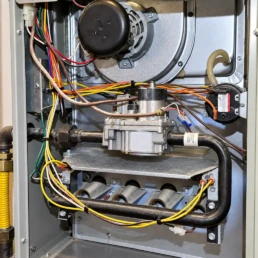
A gas valve that won’t open, or burners clogged with rust and dust, cause weak or uneven flames. We clean the burners, test the valve and gas pressure, and adjust the flame for safe, efficient combustion.
Condensate Drains on High-Efficiency Furnaces
High-efficiency furnaces make water as they run. A clogged drain line, trap, or condensate pump trips a safety switch and shuts the furnace down. We clear the drain, check the pump, and make sure the water has a clean path out.
Gas, Oil, and Electric Furnaces
Our technicians repair every type of furnace found in local homes.
Gas furnaces heat most homes in Philadelphia and the inner suburbs. Along with ignition, controls, and airflow, we test the venting and check for carbon monoxide on every call. Learn more about gas furnace repair in Philadelphia.
Oil furnaces are still common in older homes and in parts of Bucks, Chester, and upper Montgomery County. An oil burner needs a clean nozzle, filter, and electrodes, a strong fuel pump, and a working cad cell to fire reliably. See our oil furnace repair service.
Electric furnaces show up in condos, additions, and homes without gas service. Failed heating elements, sequencers, and tripped breakers cause most of their heating problems. See our electric furnace repair service.
Brands We Repair
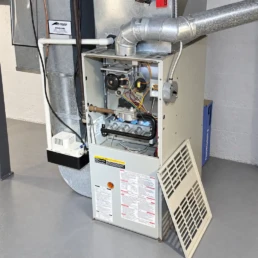
We repair furnaces from all major brands, including Carrier, Bryant, Trane, American Standard, Lennox, Goodman, Amana, Rheem, Ruud, York, and Daikin, plus older Payne, Heil, and Westinghouse units still running in many local basements. As a Carrier dealer, our technicians train on current equipment and follow factory procedures, which helps protect your manufacturer warranty.
Smell Gas or Lost Heat in Freezing Weather?
If you smell gas, leave the house right away and call your gas utility from outside. If the furnace quits overnight in freezing weather, don't wait for morning. Call us so the house and pipes don't freeze.
What Affects the Cost of Furnace Repair
The cost of a furnace repair depends on what failed and what it takes to fix it right. The biggest factors are:
- The part. A flame sensor or ignitor costs far less than a blower motor, inducer motor, or control board.
- Your furnace model. Variable-speed and high-efficiency furnaces often use brand-specific parts.
- Access. Attic, crawl space, and tight closet installs take longer to work on.
- Warranty coverage. A part still under manufacturer warranty can lower the cost of the repair.
You get a written estimate before any work begins, so there are no surprises. For bigger repairs, ask about HVAC financing.
Keep Your Furnace Running Longer
Many of the repairs above start as small problems: a dirty flame sensor, a clogged filter, a weak capacitor, or a slow drain. A yearly inspection catches them before the coldest night of the year. Book our furnace tune-up special, or join a service agreement for yearly heating and cooling maintenance.
Furnace Repair FAQs
Most furnace repairs are finished in a single visit. Our service vans carry the parts that fail most often, including ignitors, flame sensors, pressure switches, capacitors, inducer and blower motors, and universal control boards, so the technician can usually diagnose and repair your furnace on the spot. When a part is specific to your furnace’s brand or model, we order it from a local supply house and come back as soon as it arrives, often the next business day. Calls that come in early in the day often get a technician that afternoon, and we give you an arrival window when you book.
The cost of furnace repair depends on the part that failed, your furnace’s make and model, how easy the furnace is to reach, and whether the part is still under manufacturer warranty. Smaller repairs like a flame sensor, ignitor, or capacitor cost much less than a blower motor, inducer motor, or control board. Because every furnace and every home is different, a firm price comes after the technician sees the system. We diagnose the problem first and give you a written estimate, and no repair begins until you approve it. For larger repairs, ask about our financing options.
A repair is usually the right call for a furnace in good condition and under 15 years old. A good rule of thumb: consider replacement when the furnace is 15 or more years old, or when a single repair would cost more than a third of a new system. Frequent breakdowns, rising gas or oil bills, uneven heat, and a cracked heat exchanger also point toward replacing. Our technician will tell you honestly which choice makes sense and why. If replacement is the better value, we’ll give you a written quote for furnace replacement so you can compare both options.
Yes. Along with gas furnaces, our technicians repair oil furnaces and electric furnaces throughout the area. Oil furnace repairs often involve the burner nozzle, oil filter, fuel pump, ignition transformer or igniter, electrodes, and cad cell, and we clean and adjust the burner so it fires cleanly. Electric furnace repairs usually come down to heating elements, sequencers, relays, limit switches, or breakers. Oil heat is common in older homes and areas without a gas main, while electric furnaces show up in condos and additions. Whatever fuel heats your home, you get the same diagnosis first and the same written estimate.
Yes. High-efficiency condensing furnaces, the ones vented with white PVC pipe, need a few checks that older furnaces don’t. They make water as they run, so we inspect the condensate trap, drain line, and pump, and we make sure the intake and exhaust pipes outside aren’t blocked by snow, ice, leaves, or nests. Many use variable-speed blowers, two-stage gas valves, and brand-specific control boards, so our technicians read the furnace’s diagnostic codes and follow the manufacturer’s procedures. That gets the repair right the first time and helps protect your warranty.
It depends on the symptom. Turn the furnace off at the thermostat and call us if you smell burning plastic or an electrical odor, see water pooling under the unit, or hear loud banging when it starts. If you smell gas, leave the house and call your gas utility from outside. If your carbon monoxide alarm sounds, get everyone outside and call 911. A furnace that simply runs longer than usual or makes a new sound can usually keep running until our technician arrives. Don’t keep resetting a furnace that locks out again and again, because that can hide a bigger problem and damage parts.
We repair furnaces in homes throughout Philadelphia and Montgomery, Bucks, Chester, and Delaware counties, from Northeast Philadelphia and the river wards to the Main Line, central Bucks, and the Chester County suburbs. Our technicians work across the region every day, which helps us reach most homes quickly. For local details, use the furnace repair links for your town on this page or browse all the areas we serve. Not sure whether your home is in our service area? Call us and we’ll tell you right away, and book your furnace repair on the same call.
EMCO Tech provides furnace repair and furnace service for homeowners throughout Philadelphia, Montgomery County, Bucks County, Chester County, and Delaware County. Our technicians repair gas, oil, and electric furnaces, including high-efficiency condensing models, and handle ignitor and flame sensor replacement, pressure switch and inducer motor repair, blower motor and capacitor replacement, control board and limit switch diagnosis, gas valve and burner service, and condensate drain repair. When you need furnace repair near you for a furnace that won’t turn on, short cycles, or blows cold air, we find the cause, give you a written estimate, and restore safe, reliable heat.
More Heating Services
Heating Repair
Heater repair for boilers, heat pumps, and every home heating system.
Emergency HVAC Services
Heat out on a freezing night? Fast help when you need it most.
Winter Heater Tune-Up
Catch worn parts before the first cold snap.
Furnace Replacement
High-efficiency furnaces installed, with financing available.
Boiler Repair
Steam and hot water boiler repair for radiator heat.
Heat Pump Repair
Repairs for heat pumps that heat and cool your home.
Furnace Repair Near You
Montgomery County
Bucks County
- Furnace repair in Doylestown
- Furnace repair in Southampton
- Furnace repair in Warminster
- Furnace repair in Warrington
Philadelphia, Chester and Delaware Counties
Stay informed on furnace news for a comfortable home or office:

Why Does My Furnace Keep Shutting Off?
Why does your furnace keep shutting off? Learn what it means when a furnace turns off after a few seconds, runs a few minutes then stops, or short…

Why Is My Furnace Making Noise?
Why is your furnace making noise? Learn what banging, booming, squealing, rattling, humming, clicking, grinding, and whistling furnace sounds mean,…
What Is a Heating Inspection? What Gets Checked and Why It Matters
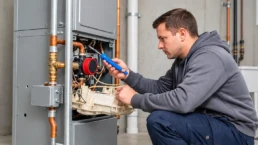
What is a heating inspection? See the full checklist a technician uses on furnaces, boilers, heat pumps, and oil systems, from carbon monoxide and…

Alternative Heat Sources to Gas Furnaces for Winter Heating
Furnaces are one of the most common methods of heating homes. However, it’s not wise to assume that using a gas furnace is the optimal or safest…
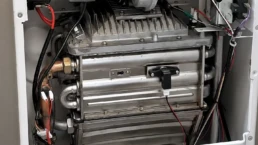
Cracked Heat Exchanger: Signs, Inspection, Cost, and When Replacement Is Real
Were you just told your furnace has a cracked heat exchanger? It is a real failure, not a myth, but it is also one of the most misdiagnosed problems…
Furnace Smells Like Rotten Eggs? Why It’s Dangerous and How to Fix It Fast
If your furnace smells like rotten eggs, sulfur, or something burning, stop pretending it’s nothing. That odor isn’t random, it’s usually a gas leak…