


Why Does My Furnace Keep Shutting Off? The Short Answer
A furnace that keeps shutting off is usually protecting itself. The most common causes are overheating from a dirty filter or blocked vents, a dirty flame sensor that can’t confirm the burner is lit, a thermostat that’s misreading the room, a blocked vent pipe or condensate drain that trips a safety switch, and a furnace that’s too big for the house. When the furnace shuts off matters most. After a few seconds, after a few minutes, or every few minutes all day each point to a different cause.
Start with the safe checks below. If the furnace still keeps turning off, write down the blinking light code and call for same-day heating repair. A furnace that cycles on safety switches all day wears out parts fast.
Check These First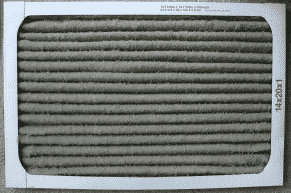
Replace a Dirty Air Filter
This is the number one cause. A clogged filter chokes airflow, the heat exchanger overheats, and the high-limit switch shuts the burners off. The furnace cools down, restarts, and does it all again. Hold the filter up to a light, and if you can’t see through it, replace it.
Open Vents and Clear Return Grilles
Closing too many supply registers or blocking the big return grilles with furniture causes the same overheating as a dirty filter. Keep most vents open and give returns a clear path.
Check the Thermostat
Weak batteries, a loose wire, or a thermostat mounted near a heat source, sunny window, or drafty door can make it shut the furnace off early or cycle it constantly. Replace the batteries and make sure nothing warm is sitting near it, like a lamp, TV, or space heater.
Look at the Outside Vent Pipes
High-efficiency furnaces vent through white PVC pipes on an outside wall or the roof. Snow, ice, leaves, or a nest blocking them trips the pressure switch, and the furnace shuts off or won’t stay running. This is a common no-heat call around Philadelphia after the first snowstorm.
Check the Condensate Drain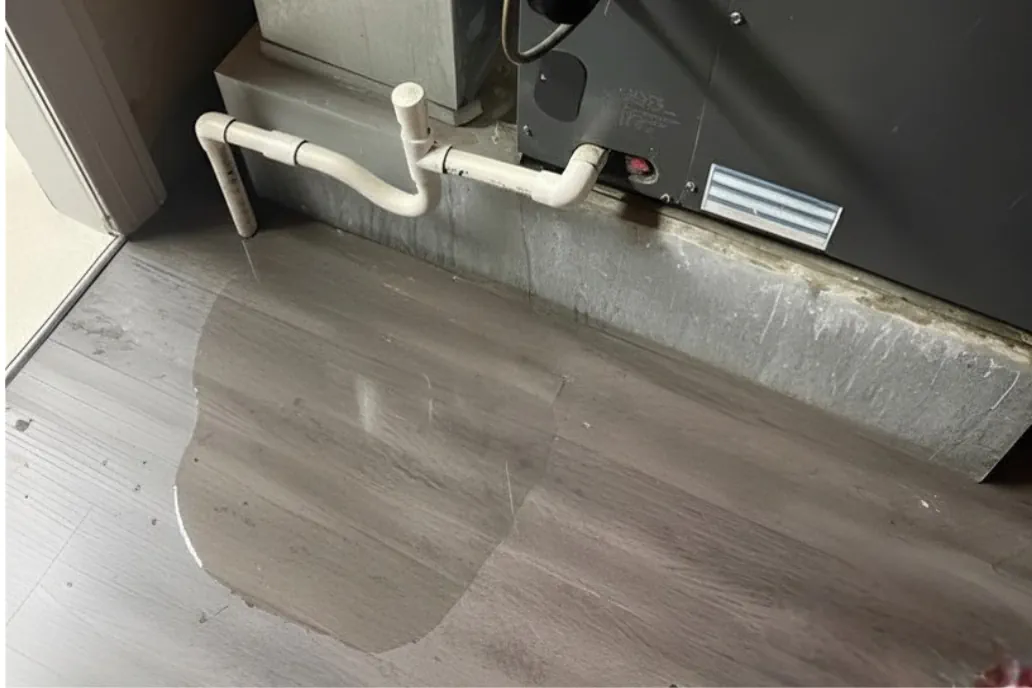
If water is pooling around a high-efficiency furnace or the condensate pump is full, a float switch shuts the furnace down. A clogged or frozen drain line needs to be cleared before the furnace will run normally.
Furnace Shuts Off After a Few Seconds
If the burners light and then go out within a few seconds, the furnace isn’t sensing the flame. The usual cause is a dirty or corroded flame sensor, the small metal rod that sits in the flame. Soot on the sensor weakens its signal, and the control board shuts the gas off as a safety measure. Poor grounding, low gas pressure, or a failing control board can cause the same thing. The furnace will usually retry two or three times and then lock out. This is a quick repair for a technician, but it involves the burner compartment and gas valve, so it’s not one to take apart yourself. Our gas furnace repair team carries flame sensors on the truck.
Furnace Runs for a Few Minutes, Then Shuts Off
When a furnace runs for several minutes and then shuts off before the house is warm, overheating is the most likely cause. The high-limit switch trips when the heat exchanger gets too hot, usually because of restricted airflow from a dirty filter, closed vents, a weak blower motor, or undersized ductwork. A failing limit switch can also trip too early. If the burners go out but the blower keeps running and the air turns cold, see our guide to a heater blowing cold air. On older furnaces, repeated overheating can crack the heat exchanger, so a furnace that does this every cycle should be checked soon.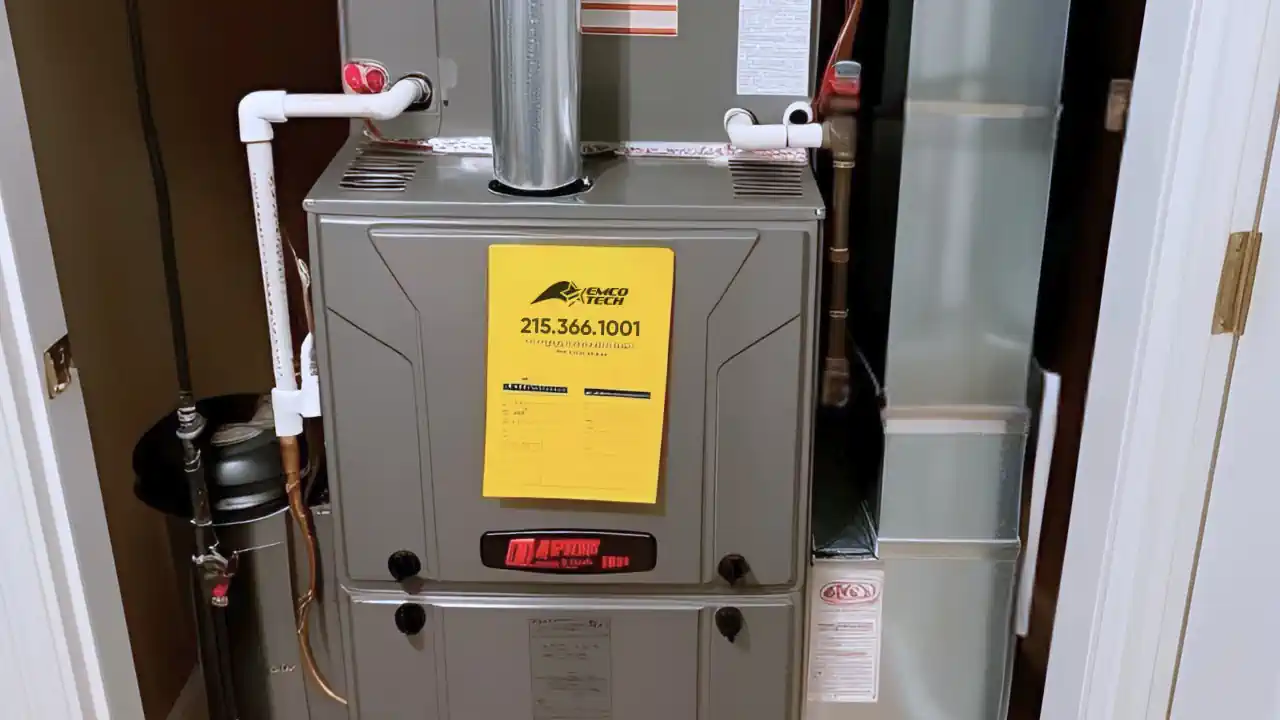
Furnace Turns On and Off Every Few Minutes
A furnace that cycles on and off every few minutes all day is short cycling. Besides overheating, the most common causes are a thermostat problem and a furnace that’s too large for the home. An oversized furnace heats the air near the thermostat so fast that it shuts off before the rest of the house warms up, then starts again a few minutes later. Short cycling wastes fuel, wears out ignitors and motors, and leaves rooms uneven. If your furnace is oversized and getting old, it’s worth knowing the signs your furnace is failing before you replace it with a properly sized one.
Furnace Shuts Off and Won’t Restart
Most modern furnaces try to light a few times and then go into lockout if they fail, often for about an hour. The status light on the control board flashes a code that explains why. Turning the power switch off for 30 seconds and back on clears a lockout once. If it locks out again, the safety system is stopping it for a reason, and more resets won’t help. If the furnace won’t do anything at all, see our furnace not working guide.
Oil Furnace Keeps Shutting Off
Oil burners shut down when the cad cell sensor doesn’t see a flame, usually because of a dirty sensor, a clogged nozzle or oil filter, air in the oil line, or a low tank. The burner’s red reset button will pop out. Press it only once. Pressing it repeatedly can flood the chamber with oil and cause a dangerous puffback, so call for oil furnace repair if one press doesn’t keep it running.
Furnace Still Shutting Off?
Our technicians read the fault code and fix the real cause, not just reset it, with same-day heating repair across Philadelphia and the suburbs.
Quick Guide: When It Shuts Off and Why
| When It Shuts Off | Most Likely Cause | Who Fixes It |
|---|---|---|
| A few seconds after the burners light | Dirty flame sensor, poor ground, low gas pressure | Furnace technician |
| After several minutes, before the house is warm | Overheating: dirty filter, closed vents, weak blower | Replace the filter, then a technician if it continues |
| Every few minutes, all day | Oversized furnace, thermostat problem, overheating | Furnace technician |
| Right after the inducer starts | Blocked vent pipe, pressure switch, condensate clog | Clear outdoor vents, then a technician |
| Shuts off and won’t restart | Lockout after failed ignition | One power reset, then a technician |
| Oil burner stops and reset pops out | Cad cell, nozzle, filter, oil supply | One reset only, then oil furnace repair |
When a Furnace That Keeps Shutting Off Is a Safety Issue
Safety switches are doing their job when they shut the furnace off, but some causes are dangerous. Turn the furnace off and call right away if you hear a loud boom when the burners light, see scorch marks or soot near the burners, smell burning, or your carbon monoxide alarm sounds. If you smell gas or rotten eggs, leave the house and call your gas utility from outside, PGW in Philadelphia or PECO in most of the suburbs. Our guides to a cracked heat exchanger and furnace gas smells explain the warning signs.
Furnace Keeps Shutting Off in the Philadelphia Area? We Fix It Same Day
EMCO Tech repairs gas, oil, and electric furnaces across Philadelphia, Montgomery, Bucks, Chester, and Delaware counties. Our technicians read the fault code, test the flame sensor, limit switch, pressure switch, and controls, and fix the real cause instead of resetting the furnace and leaving. You get the price before any work starts, and most repairs are finished in one visit. Call 215-366-1001 or book online. A yearly winter heater tune-up cleans flame sensors and checks safety switches before they start shutting your furnace down.
Furnace Keeps Shutting Off FAQs
Most furnaces that keep shutting off are tripping a safety switch. The most common causes are overheating from a dirty air filter, closed vents, or blocked returns; a dirty flame sensor that can’t confirm the burner is lit; a blocked vent pipe or full condensate drain on a high-efficiency furnace; a thermostat with weak batteries or a bad location; and a furnace that’s too big for the house. Replace a dirty filter, open your vents, and clear snow or debris from outside vent pipes first. If it keeps happening, write down the blinking light code and call a technician, because repeated safety shutdowns wear out parts.
When the burners light and then go out within a few seconds, the furnace isn’t detecting the flame. The most common cause is a dirty or corroded flame sensor. Soot builds up on the sensor rod, its signal weakens, and the control board shuts the gas valve as a safety measure. Poor electrical grounding, low gas pressure, and a failing control board can cause the same symptom. After a few failed tries, the furnace usually goes into lockout. A technician can clean or replace the flame sensor and test gas pressure in one visit. Because it sits in the burner compartment next to the gas valve, it’s best left to a professional.
A furnace that runs for a few minutes and then shuts off before the house is warm is usually overheating. When airflow is restricted by a dirty filter, closed registers, blocked returns, a weak blower motor, or undersized ductwork, the heat exchanger gets too hot and the high-limit switch shuts the burners off. The furnace cools down and starts again, repeating the cycle. A failing limit switch can also trip too early. Start by replacing the filter and opening vents. If it continues, have the furnace checked soon, because repeated overheating can crack the heat exchanger on older furnaces, which is a carbon monoxide risk.
Short cycling is when a furnace turns on and off much more often than it should, often every few minutes, without ever running long enough to warm the whole house. Common causes include overheating from restricted airflow, a thermostat that’s misreading the temperature or sits near a heat source, a dirty flame sensor, and an oversized furnace that heats the air around the thermostat too quickly. Short cycling wastes fuel, wears out ignitors, motors, and relays, and leaves some rooms colder than others. A technician can measure temperature rise, check the limit switch and thermostat, and tell you whether the furnace is properly sized for your home.
Yes, and it’s the most common reason a furnace keeps shutting off. A clogged filter restricts airflow through the furnace, so the heat exchanger overheats. The high-limit safety switch then shuts the burners off to protect the furnace, the blower keeps running to cool it down, and the cycle repeats. You’ll often notice the air turning cool partway through a cycle. Replacing the filter usually fixes it right away. Most homes need a new 1-inch filter every one to three months during heating season, and thicker media filters last longer. If a new filter doesn’t stop the shutoffs, the blower or limit switch may need service.
If the furnace stops before the house reaches the temperature on the thermostat, check the thermostat first. Weak batteries, a loose wire, or a thermostat mounted near a lamp, TV, sunny window, or heat register can make it think the room is warmer than it is. If the thermostat is fine, the furnace is probably overheating and tripping the limit switch, or losing its flame signal from a dirty sensor. An oversized furnace can also satisfy the thermostat quickly while other rooms stay cold. A technician can test the thermostat wiring, limit switch, and flame sensor to find which one is cutting the cycle short.
The shutoffs themselves are usually the furnace’s safety system working correctly, but the reason behind them can be dangerous. Repeated overheating can crack a heat exchanger and let carbon monoxide into the home, and venting problems can cause the same risk. Turn the furnace off and call right away if you hear a boom when it lights, see soot or scorch marks near the burners, smell burning or gas, or your carbon monoxide alarm sounds. If you smell gas, leave the house and call your gas utility from outside. Otherwise, schedule a repair soon, since a furnace that keeps tripping safety switches wears out parts quickly.
Explore Our Furnace Repair Services
Heating Repair
Same-day heater repair for furnaces, boilers, and heat pumps across Greater Philadelphia.
Gas Furnace Repair
Flame sensors, limit switches, pressure switches, and control boards fixed fast.
Oil Furnace Repair
Cad cell, nozzle, filter, and burner lockout repairs for oil heat.
Electric Furnace Repair
Heating elements, sequencers, breakers, and blower motors repaired.
Thermostat Services
Thermostat repair, relocation, and smart thermostat installation.
Winter Heater Tune-Up
Clean flame sensors and tested safety switches before the first cold night.
Related Guides
Post Updated: October 2026
Latest Updates – Keep Cool, Feel Warm, Breathe Clean Air with EMCO Tech
Emergency Heat (AUX) Won’t Turn Off? Here’s Which Heat Pump Fixes It
If AUX or emergency heat runs all winter, the heat pump has handed your house to electric backup strips, and the PECO bill shows it. See how…
Planning a Heat Pump Replacement: Upgrade Before It Fails
The worst time to replace a heat pump is the morning it dies. A planned swap lets you choose the equipment, lock in better pricing, and stay warm on…