


Signs of Low Refrigerant in AC Unit: Top Symptoms Homeowners Notice
When your air conditioner stops cooling effectively, low refrigerant (also called low Freon) is often the issue. In this guide we break down the top signs of low refrigerant in AC unit, how technicians check levels, why it almost always means a leak, and what to do next.
Signs Your AC Is Low on Refrigerant
Low refrigerant isn’t just an inconvenience, it’s a red flag that your system is under stress. Left unaddressed, it can cause long-term damage, spike your energy bills, and leave your home uncomfortably warm. Here are the telltale signs:
- Warm Air from Vents
Your AC runs, but the air coming out feels lukewarm or even hot. This usually means the refrigerant can’t absorb enough indoor heat to cool your space. - Longer Cooling Cycles & Rising Energy Costs
If your system is running for longer periods or struggling to shut off, it’s likely compensating for low refrigerant. You’ll notice this reflected in your monthly utility bill. - Frozen Evaporator Coils
Refrigerant keeps the evaporator coil at the right temperature. Without enough, condensation on the coil can freeze, restricting airflow and eventually shutting down the unit. - Hissing or Bubbling Sounds
These sounds often point to a refrigerant leak, typically from holes or cracks in the copper lines or coil. The noise is gas escaping under pressure. - Inability to Reach the Thermostat Setting
If your thermostat is set to 72°F but the room hovers at 78°F, your AC isn’t delivering enough cooling power, often a sign of low refrigerant pressure.
Low refrigerant symptoms or low Freon symptoms in an air conditioner are never normal. Refrigerant circulates inside a sealed loop, changing between liquid and vapor as it absorbs heat from inside your home and releases that heat outdoors. In most cases, low refrigerant in an AC unit means the sealed system has developed a leak that should be found and repaired.
AC Low on Refrigerant? Don’t “Top It Off.” Fix the Leak.
If your AC is blowing warm air, freezing up, or running nonstop, low refrigerant is usually a symptom of a refrigerant leak or airflow issue. Recharging without repairing the leak is temporary and can lead to serious compressor damage.
EMCO Tech pinpoints leaks, checks system pressures, verifies superheat and subcooling, and restores proper cooling the right way. Start with a professional inspection before minor issues turn into major repairs.
How HVAC Pros Check Your AC’s Refrigerant Levels
⚠️ Important Safety Note: Homeowners should never attempt to open or test refrigerant lines, only EPA-certified HVAC technicians can safely do that. But here’s how pros handle it:
- Pressure Gauges – Licensed techs use manifold gauges to read suction and discharge pressure, helping assess refrigerant charge.
- Superheat & Subcooling Readings – Temperature differences are measured at key system points to fine-tune refrigerant levels.
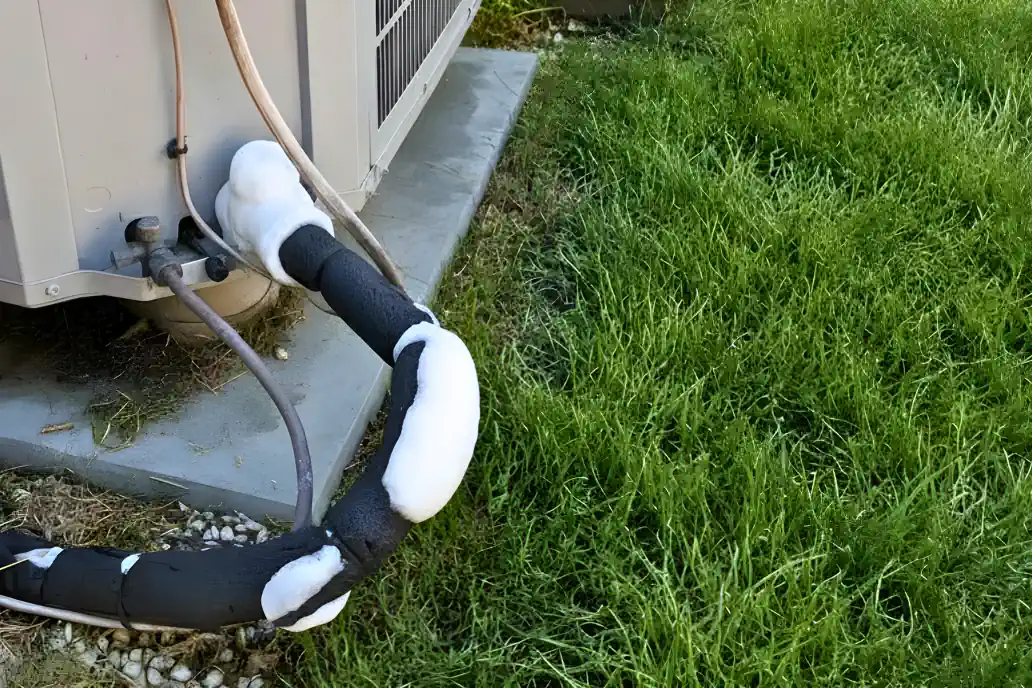
- Physical Clues – Ice buildup on coils, poor airflow, or oil stains around fittings often point to a leak.
Pro Tip: While you should not handle refrigerant yourself, the larger copper suction line near your outdoor unit should usually feel cold when the system is running. If it does not, your system may be undercharged, restricted, or affected by another cooling issue.
How Often Should You Add Refrigerant?
Never, unless there’s a leak. Central air conditioning systems are sealed. That means under normal conditions, refrigerant levels remain steady for the life of the unit.
If your system is low on refrigerant, it’s not because it was “used up.” It usually means there is a leak somewhere. Simply adding refrigerant without addressing the cause wastes money and can lead to future compressor damage.
At EMCO Tech Heating & Cooling, our certified technicians use electronic leak detection tools to pinpoint the source, repair it properly, and then recharge your system according to manufacturer specifications. No shortcuts. No guesswork.
Don’t Risk a Burnout, Let the Pros Handle It
Low refrigerant doesn’t just reduce cooling power, it can overwork your AC compressor, potentially leading to overheating, short cycling, and system failure. A burned-out compressor is one of the most expensive repairs in HVAC.
Our EPA-certified technicians are equipped to handle refrigerant issues safely and correctly. We don’t just “top off” and leave, we diagnose, seal leaks, and ensure your system runs at peak performance.
Need AC Repair? Schedule Service with EMCO Tech
Fast, professional help across Philadelphia and surrounding areas.
Why Refrigerant Is So Important
Refrigerant is the lifeblood of your AC system, it absorbs heat from your indoor air and releases it outside, keeping your home cool and comfortable. Without the right refrigerant level, your AC won’t be able to complete this cycle effectively. The result? Weak airflow, warm air from vents, higher energy bills, and eventual system strain.
How Leaks Happen and What to Look For
Your air conditioner does not consume refrigerant for operation like a car consumes gas, it should last the life of your AC system. If you’re low on refrigerant, it means you likely have a leak. Small pinholes in copper lines, worn valve cores, or loose connections are common culprits. You might notice hissing sounds, oily residue near the coil, or ice forming on refrigerant lines.
The Hidden Danger of Low Refrigerant
When your AC runs with low refrigerant, it forces the compressor to work harder and longer. Over time, this can cause the compressor to overheat or even fail, leading to a costly repair or complete system replacement. Ignoring refrigerant issues isn’t just uncomfortable; it’s expensive.
When to Call a Pro
Only certified HVAC technicians can legally handle refrigerants. If you suspect a problem, don’t try to add refrigerant yourself, it’s dangerous and illegal without proper certification. A technician will run pressure tests, check for leaks with UV dye or electronic detectors, and recharge the system to factory specs.
Preventative Maintenance Helps Catch It Early
Scheduling regular AC maintenance and pre-seasonal air conditioning tune-up helps catch refrigerant problems early, before they turn into major repairs. During a tune-up, technicians can inspect coils, check pressures, look for signs of leaks, and ensure optimal refrigerant levels to keep your home comfortable and energy-efficient all summer.
Frequently Asked Questions About Low AC Refrigerant
Warm air blowing from vents, longer cooling times, hissing or bubbling sounds, frozen evaporator coils, and higher electric bills are all signs that your AC may be low on refrigerant.
No. Proper refrigerant checks require gauges and tools only licensed HVAC technicians can use. DIY methods are inaccurate and potentially dangerous.
Never under normal circumstances. AC units are sealed systems—refrigerant doesn’t run out. If you’re low, it likely means there’s a leak that needs professional repair.
Running your AC with low refrigerant can overheat and damage your compressor. This can lead to very costly repairs or full system replacement. It’s best to shut it off and call a professional.
Technicians use manifold gauges to measure system pressures, inspect for visible signs of leaks, and may use electronic or UV leak detection tools.
No. If there’s a leak, adding refrigerant is only a temporary fix. The leak needs to be found and repaired, or the issue will return—and possibly worsen.
Costs vary depending on the severity of the leak, refrigerant type (R-410A vs R-22), and labor. Minor repairs may cost a few hundred dollars, while major leaks or recharge + repair combos can exceed $1,000.
Common symptoms of low refrigerant in AC unit include warm air from vents, longer cooling cycles, higher electric bills, frozen evaporator coils, hissing sounds, and the AC never reaching the thermostat setting.
Yes. Low refrigerant forces the compressor to work much harder and run hotter, which can lead to overheating and permanent compressor failure — one of the most expensive HVAC repairs.
Yes — in a sealed central AC system, low refrigerant almost always means there is a refrigerant leak. Refrigerant does not get “used up.”
If your AC is low on refrigerant or low on Freon, do not simply add more. It is a symptom of a leak that must be repaired. EMCO Tech provides same-day service in Montgomery County, Philadelphia, Bucks County, Chester County, and Delaware County.
Running an AC unit low on refrigerant causes higher energy bills, poor cooling, and can permanently damage the compressor. We always fix the leak first, then recharge to manufacturer specs.
Signs of low refrigerant pressure include warm air from vents, frozen coils, longer run times, hissing sounds, and the system struggling to reach the thermostat setting.
Seeing These Low Refrigerant Symptoms?
If your AC is blowing warm air, freezing up, or running nonstop, EMCO Tech can check the system, look for leaks, and explain your repair options before compressor damage gets worse.
Latest Updates – Keep Cool, Feel Warm, Breathe Clean Air with EMCO Tech
Emergency Heat (AUX) Won’t Turn Off? Here’s Which Heat Pump Fixes It
If AUX or emergency heat runs all winter, the heat pump has handed your house to electric backup strips, and the PECO bill shows it. See how…

Planning a Heat Pump Replacement: Upgrade Before It Fails
The worst time to replace a heat pump is the morning it dies. A planned swap lets you choose the equipment, lock in better pricing, and stay warm on…