


For many South Philadelphia homes, where installing new ductwork can be difficult or expensive, mini-splits offer a reliable and efficient cooling and heating solution. Homeowners exploring ductless mini-split systems often choose them for their flexibility, efficiency, and ability to deliver room-by-room comfort.
What Ductless Mini-Splits Cost and How They Compare to Central Air
Ductless mini-split systems have grown fast in popularity because they solve a problem traditional HVAC can’t: efficient heating and cooling for homes without ductwork. A small outdoor condenser connects to one or more indoor units, delivering targeted comfort room by room. Whether you’re renovating an older home, finishing a basement, or cooling a room that never had it, this guide explains how ductless systems work, their advantages and trade-offs, the main system types, and whether they’re the right fit versus central air conditioning.
Homeowners researching ductless mini-split benefits are usually looking for a smarter way to cool and heat their homes without the limitations of traditional ductwork. Modern mini-split systems provide efficient temperature control, flexible installation options, and improved indoor comfort for homes that may not be ideal for central air conditioning.
Want Cooling and Heating Without Ductwork?
We install single-zone and multi-zone ductless mini-splits in Philadelphia rowhomes, twins, and older houses with radiators, sized room by room with a free in-home estimate.
How Mini Split Systems Work
Unlike conventional HVAC systems that rely on large networks of ducts, ductless systems deliver conditioned air directly into individual rooms. An outdoor condenser connects to one or more indoor air handlers through a small conduit that carries refrigerant, power, and drainage lines. Homeowners considering mini-split installation and replacement often choose this setup because it avoids the need for bulky ductwork while still providing efficient comfort.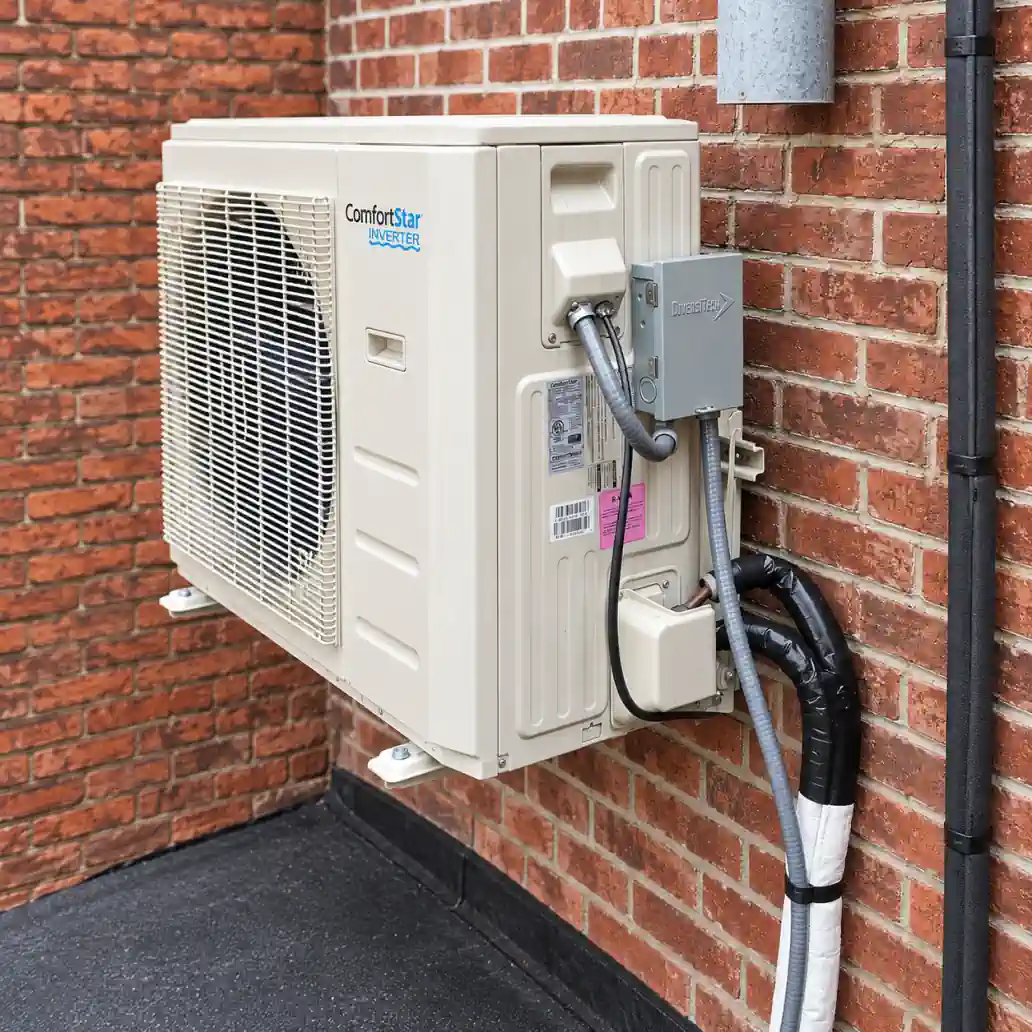
Energy Efficiency Advantages
One of the most recognized ductless mini-split benefits is energy efficiency. Traditional systems can lose a significant amount of energy through duct leakage, especially in older homes. Mini-split systems avoid this issue by delivering air directly into the room.
Proper sizing and installation are important for achieving maximum efficiency, which is why many homeowners rely on professional ductless system installation. Most modern mini-split systems also use inverter technology that adjusts compressor speed instead of constantly turning on and off. This allows the system to maintain steady temperatures while consuming less electricity.
For homeowners comparing cooling options, this improved efficiency can translate into lower energy bills and more consistent indoor comfort.
Zoned Comfort for Every Room
Another major advantage of ductless systems is zoned comfort. Each indoor unit can operate independently, allowing different rooms to maintain different temperatures.
This flexibility is especially useful in homes where certain rooms heat up faster than others, or where family members prefer different comfort levels.
Instead of cooling the entire house at once, a mini split system for your home can focus cooling exactly where it is needed, helping reduce unnecessary energy use.
Quiet Operation and Everyday Comfort
Many homeowners are surprised by how quiet ductless mini-split systems are compared to traditional HVAC equipment. Indoor units operate with very low sound levels, making them ideal for bedrooms, offices, nurseries, and living spaces.
The compressor is located outdoors, which further reduces indoor noise and helps create a more peaceful home environment. Modern systems are designed for quiet performance, especially when properly maintained with routine mini-split maintenance.
Installation Flexibility
One reason homeowners begin researching choosing the right mini split system is installation flexibility. Ductless units can be installed in places where traditional systems may struggle.
Examples include:
- Older homes without ductwork
- Room additions or converted spaces
- Basements and attics
- Apartments and row homes
- Garages or workshops
Because the system only requires a small wall opening for the conduit, installation is often far less disruptive than installing full duct systems.
Mini Splits in Philadelphia Row Homes and Older Houses
Most of the housing stock across Philadelphia, Montgomery County, and Delaware County predates central air. Row homes, twins, stone colonials, and converted properties were built with radiators or baseboard heat and no duct chases anywhere in the structure. Retrofitting ductwork into those buildings means soffits through finished ceilings, lost closet space, or a third floor that never quite keeps up.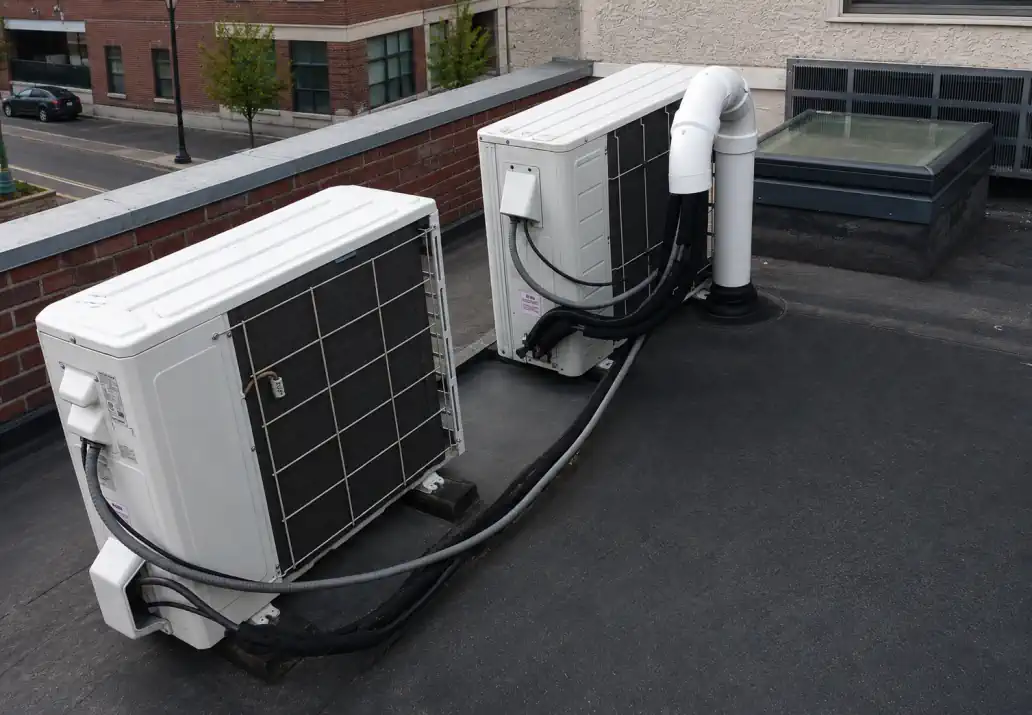
Ductless changes that math. A line set needs a three-inch opening, so a multi-zone system goes into a Fishtown row home or a Bala Cynwyd colonial without opening walls. Common situations we handle in this area:
- Third-floor bedrooms in row homes that run ten degrees hotter than the rest of the house
- Finished basements and converted attics that were never on the original heating loop
- Stone and brick twins where exterior wall thickness rules out conventional duct runs
- Homes on radiator heat where the owner wants cooling without abandoning a working boiler
- Rear additions and enclosed porches that the existing system cannot reach
- Rental and multi-unit properties needing separate temperature control per unit
Older buildings also bring constraints worth knowing before you commit. Electrical panels in pre-war homes often need a service evaluation before adding multiple condensers, and historic district rules in some neighborhoods affect where an outdoor unit can sit.
Can You Keep Your Radiators and Add Ductless Heating?
Yes. You can keep a working boiler and radiators while adding a ductless heat pump for summer cooling and supplemental heat. For a Philadelphia rowhome without ductwork, this offers a way to improve comfort in an upstairs bedroom or rear addition without replacing the entire heating system. Explore ductless heating and cooling options for individual rooms or a larger portion of your home.
Does Every Bedroom Need Its Own Mini-Split?
Not necessarily, but one unit in a hallway should not be expected to keep closed bedrooms comfortable. Connected, open-plan spaces may share an indoor unit, while separate bedrooms need individual consideration. Plan around room layout, closed doors, and heating needs rather than assuming one indoor unit per floor will be enough.
Can Mini-Splits Heat a Whole House in a Philadelphia Winter?
Yes, a properly designed cold-climate mini-split system can provide whole-house heating. The important question is whether the selected equipment delivers enough heat at low outdoor temperatures, not simply whether it has a heating mode. A system chosen mainly for summer cooling should not automatically be assumed to cover the home’s full winter heating needs.
Before replacing your existing heat, have an installer evaluate each room’s heating requirements, including insulation, windows, and exposed walls. The outdoor unit’s capacity and the indoor-unit layout both need to match the job. Depending on the home and equipment, retaining a boiler or furnace as backup may be appropriate.
For help comparing supplemental heating with a complete whole-home setup, explore our mini-split installation and replacement services.
Improved Indoor Air Quality
Another benefit homeowners often overlook is improved indoor air quality. Because ductless systems do not rely on long duct runs, they avoid many of the dust and debris accumulation issues that occur in older duct systems.
Many modern mini-splits include advanced filtration systems designed to help reduce airborne particles. Homeowners concerned about indoor air quality may also explore air purification and filtration solutions to further improve indoor comfort.
Pros and Cons of Ductless Mini-Splits
Like any system, ductless mini-splits have clear strengths and a few trade-offs worth weighing before you invest. Here’s a side-by-side look:
| Pros of Ductless Mini-Splits | Cons of Ductless Mini-Splits |
|---|---|
| No ductwork required, ideal for older homes and additions | Indoor units are more visible than hidden vents |
| High energy efficiency with little to no duct loss | Higher upfront cost per zone |
| Zoned, room-by-room temperature control | Multiple rooms may need multiple indoor units |
| Very quiet indoor operation | Best performance depends on correct professional sizing |
| Heating and cooling from one heat-pump system | Outdoor condenser still requires exterior space |
For most homes without ductwork, the pros far outweigh the cons, especially with professional mini-split installation that ensures the system is sized correctly.
Homeowners frequently ask, are ductless systems worth it? The answer depends on the layout and needs of the home, but in many cases the advantages are clear.
Ductless mini-splits offer efficient operation, flexible installation, and precise temperature control. For homes without existing ductwork or for rooms that traditional HVAC systems struggle to cool, mini-splits can provide a practical and reliable solution.
Many homeowners researching ductless mini-split benefits also compare them to central air systems before deciding which option works best for their home.
Ductless Mini-Split vs Central Air Conditioning
Homeowners comparing cooling options often wonder whether a ductless mini-split system or traditional central air conditioning is the better choice. Both systems can provide effective cooling, but they work very differently. The table below highlights the main differences to help you understand which system may be better suited for your home.
| Feature | Ductless Mini-Split System | Central Air Conditioning |
|---|---|---|
| Ductwork Required | No ductwork needed | Requires full duct system |
| Energy Efficiency | Very efficient – minimal energy loss | Moderate – energy can be lost through ducts |
| Zoned Temperature Control | ✓ Independent room-by-room control | Whole-home temperature control |
| Installation Complexity | Simpler installation with small wall opening | More complex installation with ductwork |
| Best for Older Homes | ✓ Excellent for homes without ducts | Better for homes with existing ductwork |
| Noise Levels | Very quiet indoor operation | Moderate – air handler noise through ducts |
| Typical Use | Additions, basements, older homes, zoned cooling | Whole-home cooling with ducted HVAC |
Choosing the Right System for Your Home
Understanding the full range of ductless mini-split benefits can help homeowners make informed decisions when upgrading their HVAC system. From improved efficiency and zoned comfort to quiet operation and installation flexibility, ductless technology offers a modern approach to heating and cooling.
When evaluating ductless minisplit options, it is important to consider room size, home layout, and long-term comfort goals to determine the best configuration for your space.
To compare available equipment and learn more about installation options, explore our guide to ductless mini-split systems and solutions.
Types of Ductless Mini-Split Systems
Understanding the main types of ductless mini-splits helps you match a system to your home’s layout and comfort goals.
Single-Zone vs. Multi-Zone Systems
A single-zone mini-split pairs one outdoor unit with one indoor unit, perfect for a single room, addition, or garage. A multi-zone system connects several indoor units to one outdoor condenser, giving independent temperature control across multiple rooms from a single setup.
Indoor Unit Styles
- Wall-mounted: the most common and budget-friendly option.
- Ceiling cassette: recessed into the ceiling for a discreet look.
- Floor-mounted: useful where wall or ceiling space is limited.
Not sure which configuration fits your space? Explore our full range of ductless mini-split systems and solutions or talk to our team for a recommendation.
Ductless Mini-Split Installation Across the Philadelphia Area
We install and service ductless systems throughout Philadelphia, Montgomery County, Bucks County, Delaware County, and Chester County, working out of stocked warehouses in Willow Grove and Northeast Philadelphia. As a factory-authorized Carrier dealer, we size systems to the actual load of the building rather than a square-footage rule of thumb, which matters more in older construction where insulation and window quality vary room to room.
One Cold Bedroom or a Whole-House Upgrade?
Tell us which rooms are uncomfortable and whether you want to keep your existing heat. EMCO Tech Heating & Cooling can help you compare a targeted ductless addition with a whole-home installation. Request a free installation estimate or call 215-366-1001 to discuss your home.
One Cold Bedroom or a Whole-House Upgrade?
Tell us which rooms need attention. We can help you compare ductless options for your home.
Frequently Asked Questions About Ductless Mini-Splits
For homes without existing ductwork, additions, or rooms that are hard to heat and cool, ductless mini-splits are often well worth it. They deliver high efficiency, zoned comfort, and quiet operation, and they avoid the major construction needed to add ducts to an older home.
Yes. Ductless mini-splits avoid the energy loss that happens through ductwork and use inverter-driven compressors that adjust output to demand, helping lower utility bills.
The two main categories are single-zone systems (one indoor unit) and multi-zone systems (several indoor units on one outdoor condenser). Indoor units come in wall-mounted, ceiling cassette, and floor-mounted styles.
Upfront costs vary by home, but mini-splits often cost less to run thanks to higher efficiency and zoned control. For homes without ducts, they also avoid the expense of installing a full duct system.
Yes. Mini-splits are ideal for older homes because they don’t require ductwork and can be installed with minimal structural modification.
Cost depends on the number of zones, indoor unit style, line set routing, and whether the electrical panel needs work. Single-zone systems sit well below multi-zone installations, and older homes sometimes need a service evaluation first. We provide free estimates with a firm number before any work starts.
Yes. Modern cold-climate heat pumps hold usable heating capacity well below freezing, which covers a typical Philadelphia winter. Some homeowners keep an existing boiler or furnace as backup for the coldest stretches, and we size accordingly.
A multi-zone mini-split with several indoor units can heat and cool an entire home, with independent temperature control in each zone.
With proper maintenance, many ductless mini-split systems operate efficiently for 15 to 20 years.
Explore Our Ductless Mini-Split Services
Mini-Split Installation
Single-zone and multi-zone systems sized room by room for rowhomes and older houses.
Mini-Split Repair
Not cooling, not heating, leaking, or showing error codes, on all major brands.
Mini-Split Maintenance
Seasonal service that keeps filters, coils, and drain lines clean and efficient.
Mini-Split Deep Cleaning
Indoor unit cleaning for musty smells, mold, and weak airflow.
Heat Pump Installation
Ducted and cold-climate heat pumps for whole-house heating and cooling.
Boilers & Radiators
Keep your radiators for heat and add ductless for cooling. We service both.
More on Ductless Mini-Splits
Ductless Services
Post Updated: September 2026
Latest Updates – Keep Cool, Feel Warm, Breathe Clean Air with EMCO Tech
Emergency Heat (AUX) Won’t Turn Off? Here’s Which Heat Pump Fixes It
If AUX or emergency heat runs all winter, the heat pump has handed your house to electric backup strips, and the PECO bill shows it. See how…

Planning a Heat Pump Replacement: Upgrade Before It Fails
The worst time to replace a heat pump is the morning it dies. A planned swap lets you choose the equipment, lock in better pricing, and stay warm on…
Very informative post about ductless mini-split systems. I didn’t realize how efficient they can be for homes without existing ductwork. The flexibility and zoning benefits are a big advantage.
Exactly — that’s one of the biggest reasons homeowners choose ductless systems, especially in homes without existing ductwork.
The zoning flexibility and efficiency make a noticeable difference in both comfort and utility costs. If you’re comparing options, our ductless mini-split systems page goes deeper into how these systems work and where they make the most sense.
Mini-splits seem like a great option for additions or older homes, and this article explains why. The section about energy savings and comfort control really stands out.
Glad that stood out — mini-splits really are one of the best options for older homes and additions where ductwork just doesn’t make sense.
The ability to control comfort room by room while keeping energy costs down is what makes them so popular in the Philadelphia area. If you’re considering one, you can learn more about our ductless mini-split systems or explore professional mini-split installation options for your home.