


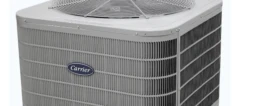
When to Replace Your Air Conditioner: Signs It Is Time for a New AC
Not sure whether your old AC is worth fixing or finally ready for replacement? Most central systems last 10 to 15 years, but age alone is not the whole story. Frequent breakdowns, weak airflow, and climbing energy bills are the clearer signs your air conditioner is reaching the end. Here is how to tell when it is time for a new AC.
Signs You Need a New Air Conditioner
One repair does not mean replacement, but a pattern usually does. These are the clearest signs your air conditioner is ready to be replaced rather than fixed again:
- It needs repairs more than once a season, or every summer.
- Cooling is uneven, with rooms that never quite keep up on hot afternoons.
- Energy bills keep climbing while comfort stays the same or gets worse.
- A major part like the compressor or coil has failed or is failing.
- The system runs constantly but never reaches the thermostat setting.
- It is past its expected service life and showing real symptoms.
When several of these line up at once, you are usually past the point where another repair pays off.
Not Sure If It Is Time Yet?
Let a technician check the system before you decide. Our AC repair team can tell you if it is a quick fix or a sign the unit is done.
How Old Is Too Old for an Air Conditioner?
Most central air systems run well for about 10 to 15 years, depending on installation quality, maintenance, and how hard they work each summer. A well-kept unit can last longer, but efficiency usually drops off well before the system actually quits.
Age matters most when it shows up alongside real symptoms. A 12-year-old AC that still cools evenly and rarely needs service may have life left. The same age unit that runs nonstop, leaves rooms warm, and needs yearly repairs is telling you to plan a replacement. If your unit is in the double digits and struggling, it is time to start budgeting for a new one.
When Cooling and Bills Start Slipping
Most homeowners notice declining performance before a full breakdown. The house takes longer to cool, upstairs stays warmer, or the unit runs and runs without hitting the set temperature. Those symptoms point to worn components, airflow problems, or a system that is simply past its prime.
Rising energy bills are part of the same story. As coils foul and motors age, an old AC works harder to deliver less cooling, and that inefficiency shows up on every summer statement. According to the U.S. Department of Energy, upgrading an aging system to a newer high-efficiency model can meaningfully lower cooling costs over time.
What Happens If You Wait Too Long
Old air conditioners rarely fail all at once. They get less reliable, less efficient, and more expensive to keep alive, usually breaking down during the hottest stretch when service demand peaks. Many homeowners end up sinking money into repairs that could have gone toward a new system, then replace it anyway after one more uncomfortable summer. Replacing on your own schedule almost always beats an emergency replacement in July.
Repair or Replace? A Quick Rule
If the unit is newer and the problem is a single small part, repair usually wins. If it is older, inefficient, and needs repeated service, replacement is the smarter long-term call. Use this quick comparison, then run the full numbers in our dedicated guide.
| Lean Toward Repair | Lean Toward Replace |
|---|---|
| Under about 10 years old | Around 10 to 15 years or older |
| Occasional, minor service | Repeated or seasonal breakdowns |
| Still cools evenly | Weak airflow, uneven cooling |
| Normal energy bills | Rising bills from low efficiency |
For the full cost breakdown, the 50 percent rule, and the decision math, see our complete guide on whether to repair or replace your HVAC system.
Related Cooling Resources
- Air Conditioning Installation Services
- Air Conditioning Repair Services
- AC Tune-Up Service
- Common AC Problems in Philadelphia
FAQ
If your AC is over 10 to 15 years old, needs frequent repairs, struggles to cool evenly, or drives up energy bills, it is likely time to replace it. Repeated breakdowns and declining performance are the clearest warning signs.
The $5,000 rule is a quick guide: multiply the repair cost by the unit’s age in years. If the result is over $5,000, replacement is usually the smarter choice. See our repair or replace guide for the full cost math.
A 10-year-old AC is middle-aged. It is not automatically finished, but it is at the stage where replacement becomes a serious conversation, especially if it needs repairs, cools unevenly, or raises your bills.
Yes, in most cases. A 20-year-old unit is well past its expected lifespan, far less efficient than modern systems, and increasingly likely to fail during peak heat. Replacing it usually lowers bills and improves reliability.
In the Philadelphia area and across Pennsylvania, most central AC systems last about 10 to 15 years. Good maintenance, proper sizing, and healthy ductwork can push that toward the higher end.
Post Updated: June30, 2026
Air Conditioner Constantly Turning On and Off?
Comprehending the Causes Behind Your Air Conditioner’s Frequent On-Off Cycles
Watch for these telltale symptoms: short, incomplete cooling cycles, rooms that never quite reach the thermostat setting, indoor humidity that stays uncomfortably high, or an AC system that constantly restarts. If any of these signs sound familiar, your air conditioner may be short cycling instead of completing a normal cooling cycle.
- Check the Air Filter: A dirty filter can choke airflow and make the system shut down too early.
- Inspect the Thermostat: Make sure it is set correctly and not exposed to direct sunlight or another heat source.
- Look for Ice Formation: Ice on the indoor coil often points to airflow or refrigerant problems.
- Think About Recent Installation: If the unit was recently installed, improper sizing may be part of the problem.
AC Constantly Turning On and Off? Don’t Wait.
Short cycling can drive up electric bills, wear out compressors, and leave your home uncomfortable. EMCO Tech provides professional air conditioning repair for systems that keep starting and stopping too quickly, with expert troubleshooting for airflow, thermostat, refrigerant, and electrical issues.
Causes of AC Short Cycling
If simple checks do not solve the issue, one of these common problems could be causing your air conditioner to turn on and off too often:
- Clogged Air Filter or Blocked Vents: Restricted airflow can cause temperature and pressure problems inside the system, forcing it to shut off too soon.
- Thermostat Malfunctions: A faulty, miscalibrated, or poorly located thermostat can send false signals and interrupt the cooling cycle.
- Oversized AC Unit: A unit that is too large cools too quickly, shuts off too soon, and then restarts again before it has properly dehumidified the space.
- Low Refrigerant: Refrigerant leaks can cause pressure imbalances that trigger protective shutdowns and frequent restarting.
- Frozen Evaporator Coils: Frozen coils can force the system into an on-and-off pattern as it tries to recover.
When the Compressor Itself Is Doing the On and Off Cycling
Everything else on the causes list above starts outside the compressor and forces it to shut off early. This one is different. When the compressor itself is the reason the system keeps turning on and off, it usually comes down to one of three things happening inside or right around it.
A weak run or start capacitor
The capacitor gives the compressor the extra push it needs to start spinning. A capacitor that is losing its charge cannot deliver that push cleanly, so the compressor hard starts, pulling a spike of current every time it tries. That spike trips the internal overload protector as a safety measure, the compressor shuts back off, cools down, and tries again a few minutes later. That cycle repeats until the capacitor is replaced, and every failed start attempt in the meantime adds wear the compressor does not get back.
A stuck or failing contactor
The contactor is the electrical switch that sends power to the compressor and outdoor fan. A pitted or welded contactor can chatter, meaning it does not hold a clean connection, so power to the compressor cuts in and out on its own even though the thermostat is calling for cooling the whole time. This looks exactly like short cycling from the inside of the house, but the thermostat has nothing to do with it.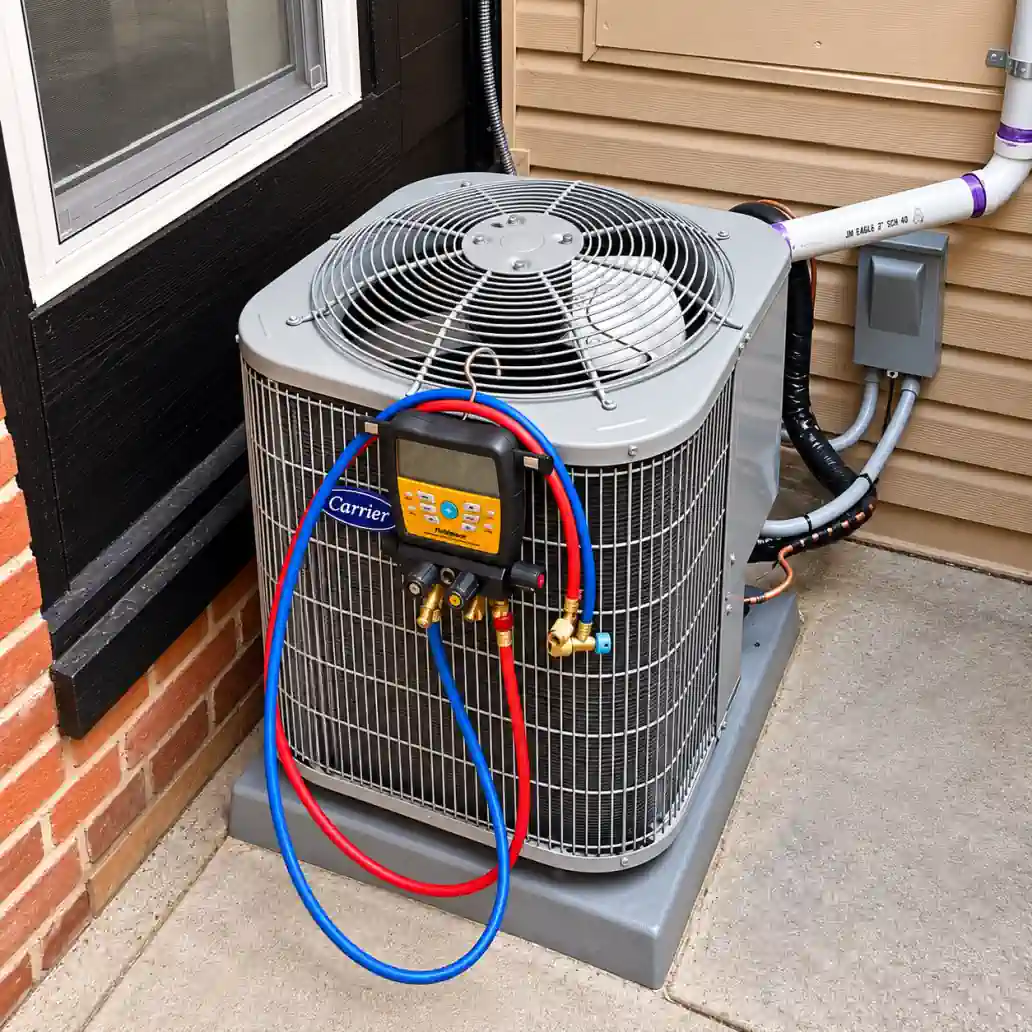
The compressor’s own overload protector doing its job
Every compressor has a thermal overload protector built in, a safety device that shuts the compressor off if it senses it is running too hot. If the compressor is overheating, from a low refrigerant charge, a dying capacitor forcing repeated hard starts, or the compressor simply nearing the end of its life, that protector will trip, let it cool, and let it restart, over and over. The protector is not the problem. It is reacting correctly to a problem somewhere else. In this case the on-off cycling is the compressor protecting itself, and it will keep doing that until whatever is overheating it gets fixed.
The reason this matters more than the other causes on this list: a clogged filter or an oversized unit causes short cycling but does not necessarily damage anything while it is being figured out. A compressor riding its own overload protector is taking real wear every single cycle. The longer that pattern continues, the more likely it ends in a full compressor failure instead of a repair. If the outdoor unit is clicking on, running briefly, and shutting off repeatedly, that is not a wait-and-see situation.
What Homeowners Can Check Before Calling for Service
Before scheduling a repair visit, homeowners can safely check a few basic items. Replace a dirty filter, confirm that return and supply vents are open, verify the thermostat settings, and make sure the outdoor unit is not clogged with leaves or debris. If the system still starts and stops too quickly, the problem likely goes beyond basic maintenance.
Why Short Cycling Matters
Short cycling is not just annoying. It wastes energy, makes cooling less consistent, and increases wear on some of the most expensive parts in the system. Each startup pulls extra power, so frequent cycling can push utility bills higher even while comfort drops. Over time, the repeated strain can shorten the life of the compressor, blower motor, and electrical components.
That is why an air conditioner that keeps shutting off early should not be ignored. What looks like a small nuisance can turn into a bigger repair if it continues through the cooling season.
When to Call an HVAC Technician
If your AC continues short cycling after you replace the filter and confirm basic thermostat settings, it is time for professional diagnosis. An experienced technician can test refrigerant pressure, evaluate airflow, inspect controls, and determine whether the equipment is properly sized for the space.
EMCO Tech Heating & Cooling provides air conditioning repair for systems that keep starting and stopping too quickly. We also offer maintenance plans that help catch airflow, refrigerant, and electrical issues early.
Can Short Cycling Happen in Commercial HVAC Systems Too?
Yes. Short cycling is not limited to residential central air systems. Light commercial and larger building equipment can also short cycle because of thermostat issues, airflow restrictions, low refrigerant, control failures, or equipment sizing problems. If you manage a business, office, or larger property, EMCO Tech also provides commercial HVAC services and commercial AC services for more advanced cooling diagnostics and repairs.
Related Cooling and Commercial HVAC Services
If your system is turning on and off too often, you may also want to review our air conditioning services, central air conditioning services, and multifamily and apartment HVAC services.
When an AC system constantly turns on and off, homeowners in Ambler, PA are often dealing with airflow restrictions, oversized equipment, dirty coils, or thermostat problems.
FAQs About AC Short Cycling
AC short cycling means the system shuts off before finishing a full cooling cycle, then starts up again too soon. Instead of cooling steadily, it runs in short bursts that hurt comfort and efficiency.
Yes. Short cycling can wear out the compressor, blower motor, and electrical components faster than normal. It also increases energy use and can lead to more expensive repairs if ignored.
Yes. A clogged filter can restrict airflow enough to create temperature and pressure problems that interrupt the system’s normal operation.
Usually one of three things: a weak capacitor forcing hard starts that trip the compressor’s internal overload protector, a failing contactor that is not holding a clean connection, or the overload protector correctly reacting to a compressor that is overheating for some other reason, like low refrigerant. Unlike a clogged filter or an oversized unit, this kind of cycling puts real wear on the compressor with every restart, so it is worth having checked before it turns into a full compressor replacement.
Routine maintenance helps prevent many short cycling issues. Replacing filters regularly, keeping coils and vents clean, and scheduling seasonal inspections can help catch problems before they grow.
Post Updated: September 2026
Importance of Spring Furnace Maintenance
Spring furnace maintenance is the “smart shutdown” after winter
In the Philadelphia area, spring is when you finally stop hearing the furnace run every morning. But turning it off for the season doesn’t mean it’s “fine.”
Winter use leaves behind soot, dust, worn parts, and airflow restrictions that can turn into expensive no-heat calls the moment fall hits.
A proper spring furnace maintenance visit is about catching problems while the system is not under peak demand. It’s also when scheduling is easier, parts are easier to order, and you can make decisions without the pressure of a cold house.
If you need furnace service in spring, book it while it’s convenient—not later when everyone else is doing the same thing.
What spring maintenance protects
Comfort
If your furnace struggled with uneven heat, short cycling, or noisy starts this winter, spring is the time to fix it so you’re not dealing with the same problem again next season.
Budget
Small issues—dirty burners, clogged filters, weak airflow, failing igniters—often cost less when handled early. Letting them sit through the offseason is how “minor” becomes “emergency.”
Health and air quality
Winter heating can circulate dust and allergens through the home. A clean system and a fresh filter help reduce what gets pushed through your vents.
Safety
Fuel-burning equipment deserves respect. If you’ve noticed unusual odors, soot, or frequent shut-offs, schedule service. For general best practices, ENERGY STAR’s maintenance checklist outlines typical items contractors check on heating systems, including burner combustion and heat exchanger checks. View the ENERGY STAR maintenance checklist.
Spring Furnace Maintenance: Catch Small Issues Before They Get Expensive
If your furnace is short cycling, making new noises, or you noticed a dusty smell at first start-up, spring is the best time to get it checked. A professional tune-up helps protect your system, improves efficiency, and supports safer operation before next season.
EMCO Tech inspects safety controls, checks airflow, reviews key wear parts, and can flag early signs of heat exchanger or ignition issues. Don’t wait until fall when schedules fill up.
Spring furnace maintenance checklist for homeowners
- Change the furnace filter (or confirm the right size/MERV rating for your system)
- Clear supply and return vents (don’t block airflow with rugs or furniture)
- Listen for unusual operation (rattling, banging, delayed ignition sounds)
- Check thermostat behavior (inconsistent temperatures can signal airflow or control issues)
If anything seems off, that’s when you move from DIY basics to a professional spring furnace tune up.
What a professional spring furnace tune-up typically includes
A real maintenance visit isn’t “flip it on and leave.” A technician typically inspects safety controls, verifies proper operation, checks airflow, and looks for early failure signs.
If you want ongoing priority scheduling, consider pairing this with a maintenance plan: service agreements and maintenance plans.
When spring service turns into spring furnace repair
Some homeowners search spring furnace repair because the system didn’t end winter cleanly. In spring, call a pro if you notice:
- burning smells that continue after a brief “dust burn-off”
- short cycling or frequent shut-offs
- odd noises (grinding, booming, rattling)
- weak airflow or rooms that never heat evenly
If you need repair help, start here: heating repair service.
Why spring is also a good time to plan furnace replacement or installation
Your Search Console shows people even search variations like furnace installation spring. That makes sense: spring is the calm season to plan upgrades.
If your furnace is old, unreliable, or expensive to run, spring is when you can compare options, get quotes, and schedule replacement on your timeline.
For homes throughout Hatboro, PA, spring furnace maintenance helps extend system life and prepares heating equipment for another demanding Pennsylvania season.
Schedule spring furnace maintenance in the Philadelphia area
EMCO Tech Heating & Cooling serves homeowners across Philadelphia and the surrounding suburbs, including Montgomery County, Bucks County, Chester County, and Delaware County.
If it’s been more than a year since your last service, now’s the time to get ahead of next season.
Spring Furnace Maintenance FAQ
Yes. A spring furnace tune-up helps clean internal components, check safety controls, test airflow, and confirm the system operated safely through winter. Regular maintenance reduces wear, helps prevent unexpected breakdowns next season, and supports better energy efficiency.
A dusty smell is common after a furnace sits unused. Dust settles on burners, heat exchangers, and internal components during the off-season. When the system starts, that dust burns off briefly. If the odor continues or becomes strong, a professional inspection is recommended.
A professional furnace maintenance visit typically includes cleaning burners, inspecting the heat exchanger, testing safety controls, checking electrical connections, verifying airflow, and confirming proper thermostat operation. The goal is safe, efficient performance before the next heating season.
During spring, most homeowners can leave the thermostat set to Auto. This allows the furnace to run only when needed during cooler nights while preventing unnecessary cycling during warmer daytime temperatures.
Spring maintenance reduces strain on internal components by cleaning debris, tightening electrical connections, and verifying safe combustion. Preventative service minimizes long-term wear and helps your furnace operate reliably for more years.
Post Updated: March 2, 2026
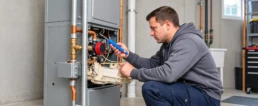
What Is a Heating Inspection? What Gets Checked and Why It Matters
What Is a Heating Inspection?
A heating inspection, also called a heater inspection or heating system inspection, is a hands-on check of your furnace, boiler, or heat pump by a licensed technician to confirm it’s running safely, burning fuel correctly, and in good enough shape to get through the winter. It focuses on safety and condition: carbon monoxide, the heat exchanger, gas connections, venting, safety switches, and electrical parts. A tune-up goes a step further and adds cleaning and adjustments. Every EMCO Tech winter heater tune-up includes a full safety inspection.
You need a heating inspection:
- Before each heating season, ideally in early fall
- When you’re buying or selling a home
- When a system has sat unused, or after a flood, fire, or major renovation
- When your carbon monoxide alarm has gone off or you notice warning signs
- When your manufacturer’s warranty or your insurer asks for proof of regular service
For how often each type of system should be checked, see how often a furnace should be inspected.
Heating Inspection Checklist: What a Technician Checks
Safety and Carbon Monoxide
- Carbon monoxide test of the flue gases and the air around the equipment
- Heat exchanger inspection for cracks, holes, and heavy rust
- Gas leak check at the gas valve, fittings, and connections
- Testing of the flame rollout switch, high-limit switch, and other safety controls
Venting and Combustion
- Chimney or flue draft, and the condition of the vent connector
- PVC intake and exhaust pipes on high-efficiency furnaces, including the condensate drain
- Burner flame color and pattern, plus gas pressure
- Combustion air supply, especially for furnaces in closets and small utility rooms
Electrical Parts and Controls
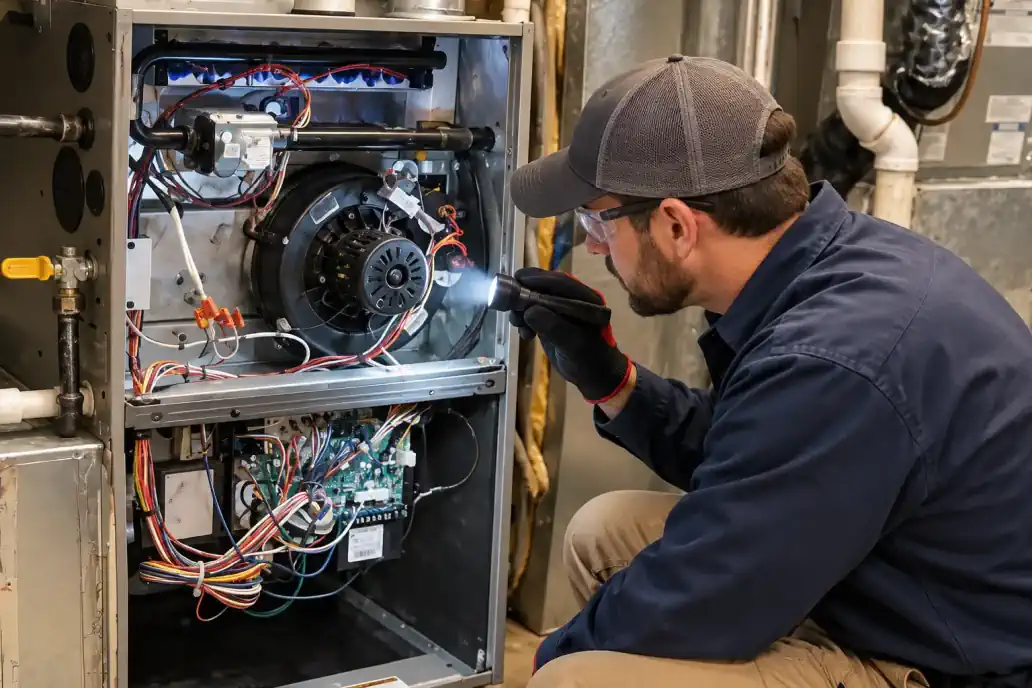
- Wiring and connections for heat damage or looseness
- Igniter, flame sensor, and inducer motor
- Blower motor and capacitor
- Control board fault history and thermostat operation
Airflow
- Filter condition and size
- Temperature rise across the furnace compared to its rating plate
- Return air, blower operation, and the ductwork at the equipment
Boiler Checks
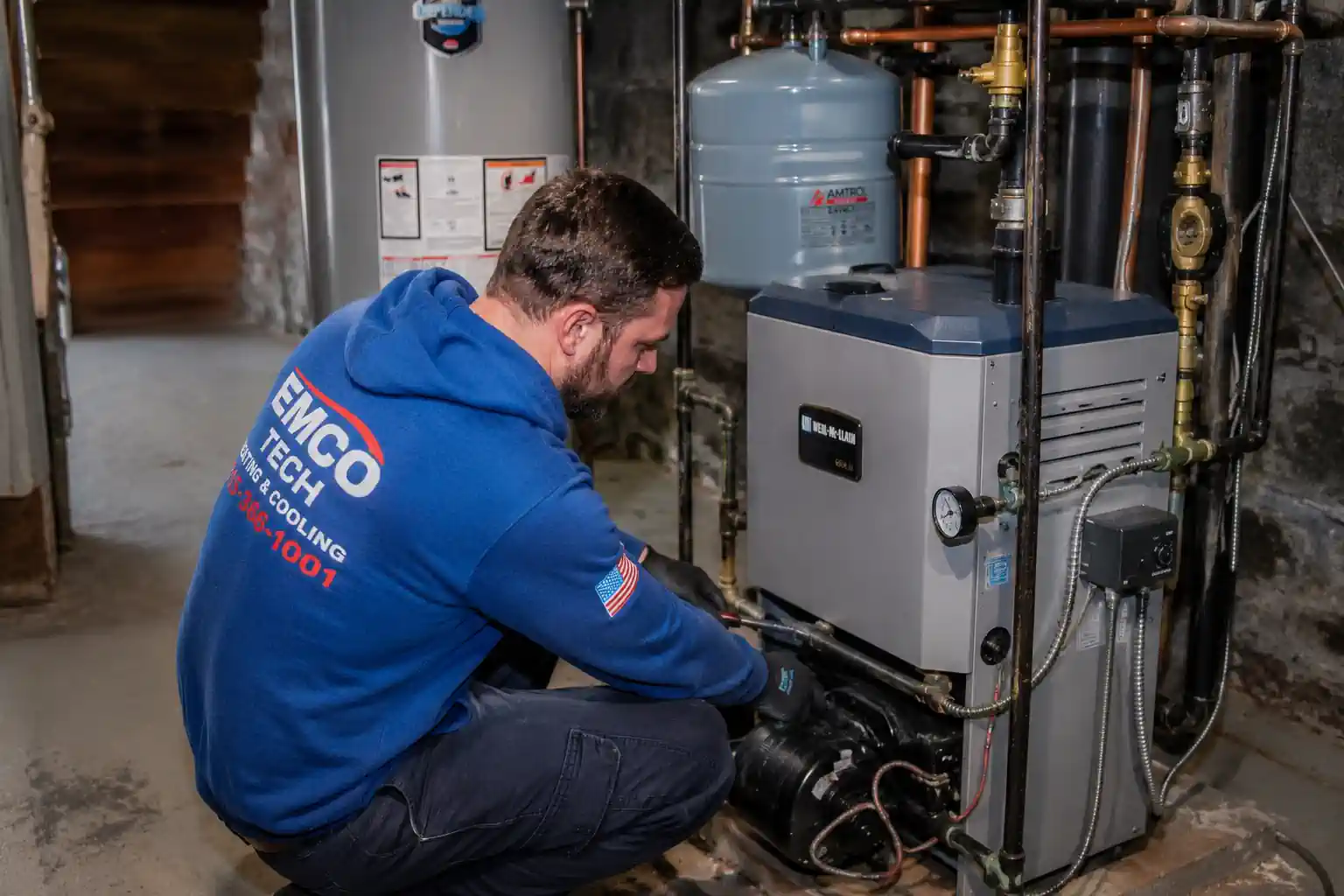
For steam and hot water boilers, the inspection adds system pressure and the pressure relief valve, the water level and low-water cutoff on steam boilers, the expansion tank, the circulator pump, and any leaks at the boiler, piping, and radiator valves. See our boiler maintenance service for more.
Heat Pump Checks
Heat pump inspections add defrost operation, refrigerant temperatures and pressures, the reversing valve, the outdoor coil, and the backup heat strips that carry the house on the coldest nights.
Oil Heat Checks
Oil furnaces and boilers add a combustion efficiency and smoke test, the nozzle and oil filter, the burner and its electrodes, and the oil tank and supply lines. Our oil heater maintenance checklist covers oil systems in detail.
Heating Inspection vs. Tune-Up vs. Home Inspection
| Who Does It | What It Covers | |
|---|---|---|
| Heating inspection | HVAC technician | Safety and condition checks with real tests, including carbon monoxide, heat exchanger, gas, venting, and controls |
| Heater tune-up | HVAC technician | Everything in the inspection, plus cleaning and adjustments so the system runs at its best |
| Home inspection | General home inspector | A visual look at the heating system along with the roof, plumbing, and electrical, usually without opening the furnace or testing combustion |
If you want the details of the cleaning and adjustment side, here’s what a furnace tune-up includes.
Time for Your Heating Inspection?
Every winter heater tune-up includes a full safety inspection: carbon monoxide testing, a heat exchanger check, gas connections, venting, and safety controls, for furnaces, boilers, and heat pumps across Philadelphia and the suburbs.
Heating Inspection When Buying or Selling a Home
A general home inspector checks the heating system along with everything else in the house, but usually doesn’t open the furnace, test for carbon monoxide in the flue, or look closely at the heat exchanger. When the report says “recommend further evaluation by a licensed HVAC contractor,” that’s the heating inspection it’s talking about.
If You’re Buying
- Schedule the heating inspection inside your inspection contingency period, so you can still negotiate or walk away.
- Find out the system’s age from the data plate and ask the seller for service records.
- Ask for a carbon monoxide test and a heat exchanger check, especially on furnaces over 15 years old.
- For oil heat, ask about the tank: where it is, how old it is, and whether it’s buried. Our guide to gas vs. oil heat and home value covers what to check.
- If the system is near the end of its life, get a replacement estimate before you close so the number is part of the negotiation.
If You’re Selling
- A pre-listing inspection finds problems before the buyer’s inspector does, while you still have time to fix them on your terms.
- Fix any safety items first. A carbon monoxide or gas issue on a buyer’s report can stall a sale.
- Keep the service receipts and any warranty paperwork ready to hand to buyers.
Landlords and investors can use the same inspection between tenants, so a heating problem gets caught before the first cold night instead of turning into an emergency call.
Warning Signs You Need a Heating Inspection Now
- Your carbon monoxide alarm sounds, or headaches, dizziness, or nausea ease when you leave the house. Get everyone outside and call 911 first.
- The burner flame on a gas furnace is yellow or flickering instead of steady blue.
- Soot shows up around the furnace, the vent pipe, or the registers.
- There’s rust, water, or a cracked vent pipe around the equipment.
- New noises or smells start, beyond the dusty smell of the first cold day (see furnace making noise).
- Heating bills climb or rooms heat unevenly with no change in how you use the heat.
- The furnace is 15 years old or more and has no service history (see signs your furnace is going out).
If you smell gas, leave the house and call your gas utility from outside: PGW in Philadelphia, or PECO in most of the suburbs.
How Long Does a Heating Inspection Take?
A heating inspection on a single furnace or boiler usually takes about an hour. Homes with more than one system, several heating zones, or older equipment that needs a closer look can take longer. Cost depends on the type of system, the fuel, and whether cleaning is part of the visit. Our current heater tune-up offer includes the full safety inspection, and if the technician finds a problem, you get the repair price before any work starts.
Schedule a Heating Inspection in Philadelphia and the Suburbs
EMCO Tech inspects gas, oil, and electric furnaces, steam and hot water boilers, and heat pumps across Philadelphia, Montgomery, Bucks, Chester, and Delaware counties. Our licensed technicians test for carbon monoxide, check the heat exchanger, gas connections, venting, and safety controls, and walk you through what they found in plain language. Whether it’s your annual check, a home you’re buying or selling, or a system you’re worried about, call 215-366-1001 or book your heater checkup online.
Heating Inspection FAQs
A heating inspection is a hands-on check of your furnace, boiler, or heat pump by a licensed HVAC technician to make sure it runs safely and is in good condition. The technician tests for carbon monoxide, checks the heat exchanger for cracks, checks gas connections for leaks, confirms the venting is drafting properly, and tests the safety switches and electrical parts. The goal is to catch hazards and worn parts before they cause a breakdown or a safety problem in the middle of winter. Most homeowners schedule one every fall, and it’s also smart when you’re buying or selling a home or after a system has sat unused.
A complete heating inspection includes a carbon monoxide test, a heat exchanger inspection, a gas leak check at the valve and fittings, and a check of the chimney or vent pipes. The technician also tests the flame rollout and high-limit safety switches, checks the igniter, flame sensor, blower motor, capacitor, and wiring, looks at the burner flame and gas pressure, and measures airflow and temperature rise. Boilers add pressure, relief valve, water level, and circulator checks. Heat pumps add defrost, refrigerant, and backup heat checks. Oil systems add a combustion efficiency test and a look at the nozzle, filter, tank, and lines.
Not exactly. A heating inspection focuses on safety and condition: testing for carbon monoxide, checking the heat exchanger, gas connections, venting, and safety controls, and finding worn parts. A tune-up includes all of that and adds cleaning and adjustments, like cleaning the burners and flame sensor, checking and adjusting gas pressure, clearing the condensate drain, and lubricating moving parts where needed, so the system runs as efficiently as it can. Think of the inspection as finding out how the system is doing and the tune-up as also making it run better. At EMCO Tech, every winter heater tune-up includes a full safety inspection, so you get both in one visit.
A standard home inspection includes a look at the furnace or boiler, but it’s usually visual and limited. A general home inspector checks that the system turns on and produces heat, notes its approximate age and visible rust or damage, and looks at the venting. Most don’t open the furnace, test the flue gases for carbon monoxide, measure gas pressure, or closely inspect the heat exchanger. That’s why so many home inspection reports say to have the heating system evaluated by a licensed HVAC contractor. A dedicated heating inspection fills that gap and gives buyers and sellers a clear picture of the system’s condition.
Yes, especially if the furnace or boiler is more than 10 to 15 years old or the seller has no service records. A heating inspection during your inspection contingency period tells you whether the system is safe, how much life it likely has left, and whether a major repair or replacement is coming. That gives you real numbers to negotiate with instead of guesses. Ask the technician to test for carbon monoxide and check the heat exchanger, and for oil heat, to look at the tank and supply lines. If replacement is likely, get an estimate before closing so the cost is part of the deal, not a surprise.
A heating inspection on a single furnace or boiler usually takes about an hour. That covers the carbon monoxide test, heat exchanger check, gas and venting checks, safety control testing, and a look at the electrical parts and airflow. A visit that includes a full tune-up with cleaning can take a little longer. Homes with two or more systems, several heating zones, or older oil and steam equipment take more time, because each system and its controls need to be checked separately. When the technician is done, they walk you through what they found, point out anything that needs attention, and give you the price of any repair first.
The cost of a heating inspection depends on the type of system, the fuel it uses, how many systems you have, and whether cleaning and adjustments are included. A furnace inspection is usually the simplest, while oil burners and steam boilers take more time and testing. The best value is usually an inspection bundled with a tune-up, so the technician can fix small things like a dirty flame sensor during the same visit. EMCO Tech’s winter heater tune-up offer includes a full safety inspection. If the technician finds a problem that needs a repair, you get the price before any work starts, so there are no surprises.
Yes. Every EMCO Tech heating inspection includes a carbon monoxide check. The technician tests the flue gases to confirm the system is burning fuel cleanly and venting properly, and checks the air around the equipment for any carbon monoxide escaping into the home. The heat exchanger is inspected for cracks and holes, because a damaged heat exchanger is one of the most common sources of a carbon monoxide leak. The venting and chimney draft are also checked. If you don’t have working carbon monoxide alarms near the bedrooms and on every level of the home, the technician will recommend adding them.
Heating Inspection and Maintenance Services
Winter Heater Tune-Up
Full safety inspection plus cleaning and adjustments before the cold sets in.
Heating Maintenance
Seasonal service for furnaces, boilers, and heat pumps across Greater Philadelphia.
Gas Furnace Maintenance
Burner, flame sensor, venting, and safety control service for gas furnaces.
Boiler Maintenance
Annual service for steam and hot water boilers, from pressure to relief valves.
Oil Heater Tune-Up
Nozzle, filter, combustion testing, and burner cleaning for oil systems.
Heat Pump Maintenance
Defrost, refrigerant, and backup heat checks for heat pumps.
Related Guides
Post Updated: October 2026