Breathe Easy: Unveiling the Secrets of Indoor Air Quality
Boosting Indoor Air Quality in Your Home
In our quest for a healthier lifestyle, we often overlook one crucial aspect: the quality of the air we breathe indoors. Whether you’re concerned about allergies, respiratory health, or simply creating a comfortable living environment, understanding indoor air quality is vital. In this post, we’ll delve into the fascinating world of indoor air quality, explore how it affects your well-being. Additionally, we will provide practical tips to improve your home’s air. Plus, discover how EMCO Tech Heating and Cooling can assist you with the newest indoor air quality products and services.
How Does Indoor Air Quality Affect Your Health?
Airborne Avengers: The Impact on Your Respiratory Health Indoor air quality plays a significant role in your respiratory health. Dust, pet dander, mold spores, and pesky pollen can trigger symptoms like coughing, wheezing, and shortness of breath. By addressing these pollutants, you can breathe easier and enjoy a healthier indoor environment.
Sensitivities Unmasked: Allergies and Their Silent Agitators Do you find yourself constantly sneezing or battling itchy eyes? Indoor air pollutants, such as mold, dust, and volatile organic compounds (VOCs), can unleash a wave of allergic reactions. Take control of your allergies by minimizing exposure to these irritants and creating a haven of relief within your home.

Clearing the Air: The Cardiovascular Connection Beyond respiratory issues, poor indoor air quality can impact your cardiovascular health. Harmful particulate matter and chemicals emitted from sources like tobacco smoke, cooking fumes, and building materials can infiltrate your bloodstream and increase the risk of heart disease. Prioritizing clean indoor air can protect your heart and keep it beating strong.
Mental Clarity: The Mind and Indoor Air Quality Did you know that the quality of the air you breathe can affect your cognitive function? Stuffy indoor environments with elevated levels of carbon dioxide and other pollutants can impair concentration, memory, and decision-making abilities. Without a doubt, by embracing fresh, clean air, you can enhance your mental well-being and optimize your cognitive prowess.
What Causes Indoor Air Quality Problems in Homes?
Ventilation Vortex: The Importance of Fresh Air Exchange Inadequate ventilation is a leading culprit behind IAQ problems. When stale air becomes trapped indoors, pollutants accumulate, creating an unhealthy environment. Maximize airflow by opening windows, employing natural ventilation techniques, and seeking expert advice on innovative ventilation solutions.
Invisible Intruders: Indoor Pollutants Exposed A plethora of indoor pollutants can silently impact air quality. Also, tobacco smoke, cooking emissions, cleaning products, and volatile chemicals present in building materials and household items are among the culprits. Moreover, to safeguard your home, be vigilant in reducing exposure to these pollutants and choose eco-friendly alternatives.
System Supercharge: The Power of HVAC Maintenance Your trusty HVAC system plays a crucial role in maintaining the quality of indoor air. Besides, regular maintenance, including cleaning or replacing filters, ensures optimal filtration and circulation of fresh air. EMCO Tech Heating and Cooling can help you upgrade to high-efficiency filters, enhancing your system’s performance and providing cleaner air throughout your home.
Act for Cleaner Air with EMCO Tech Heating and Cooling!
Ready to take control of your indoor air quality? Look no further than EMCO Tech Heating and Cooling. Our team of experts provides you with top-IAQ products and services, tailored to meet your specific needs.
Discover Our Range of IAQ Products: From advanced air purifiers and filtration systems to humidity control solutions. EMCO Tech offers cutting-edge products that can transform your home into a sanctuary of clean, fresh air.
Unleash the Power of Air Duct Cleaning: Over time, your air ducts can accumulate dust and debris, compromising the purity of the air you breathe. Certainly, our air duct cleaning services ensure a thorough and meticulous cleaning process, improving air circulation and a healthier living space.
Don’t Compromise on Your Well-being!
Take the first step toward healthier indoor air today. Contact EMCO Tech Heating and Cooling at 215-366-1001 to explore indoor air quality products by Carrier HVAC and schedule an air duct cleaning service. Together, we can create an environment where clean air is a given, allowing you and your loved ones to breathe easy and live your best lives. Learn more about this trend on EPA website.
You might find these trends interesting: Importance of the Heating System Inspection, End of Summer AC Repairs, Products, Carrier Ductless Mini Split Systems, Why Air Duct Cleaning is Important

Does Natural Gas Add Value to a Home? What Buyers and Sellers Should Know
Does Natural Gas Increase Home Value? The Short Answer
In most of the Philadelphia area, natural gas heat makes a home easier to sell and more appealing to buyers, but there’s no fixed amount it adds to the price. What gas brings is appeal: lower heating bills, no oil deliveries, no oil tank to worry about, and the gas range and dryer many buyers expect. What oil can take away is just as real: an aging oil burner, a buried tank that has to be tested or removed, or a house that’s the only oil-heated home on a street where everyone else has gas.
Appraisers value a home by comparing it to similar recent sales nearby, so the effect of gas heat depends on what’s normal in your neighborhood:
- Gas helps most in Philadelphia and the older inner suburbs, where gas mains run down almost every street and most buyers expect gas heat.
- It matters less in parts of Bucks, Chester, and upper Montgomery County where there’s no gas main, because nearby homes heat with oil, propane, or heat pumps too.
- The condition of the heating system matters as much as the fuel. A newer, well-kept oil boiler can sell better than a neglected 30-year-old gas furnace.
If you’re thinking about converting before you sell, or after you buy, our guide to switching to natural gas covers the process and what a conversion involves.
Why Buyers Prefer Natural Gas Heat
Lower, More Predictable Heating Bills
Buyers increasingly ask for a year of utility bills, and heating cost is one of the first things they compare. The U.S. Energy Information Administration’s October 2026 winter fuels outlook expects the average oil-heated household to spend about 21 percent more this winter than last, while Northeast households heating with natural gas are expected to spend about 14 percent less. Gas rates are set by the utility and adjusted on a regular schedule under state oversight, while oil prices move with the market and can jump in the middle of a cold snap. For a side-by-side look at running costs, see whether switching to natural gas saves money.
No Deliveries and No Running Out
With gas, fuel arrives through a pipe from PGW in Philadelphia or PECO in most of the suburbs. There’s no tank to watch, no delivery to schedule, and no cold morning after the tank runs dry. Buyers who have never owned an oil-heated home often see deliveries as a hassle they’d rather not take on.
Gas Appliances Buyers Want
Once gas is in the house, it can also fuel a range, a clothes dryer, a fast-recovery or tankless water heater, a fireplace insert, and an outdoor grill. A gas range in particular is high on many buyers’ wish lists, and it’s hard to offer one in an oil-heated home without gas service.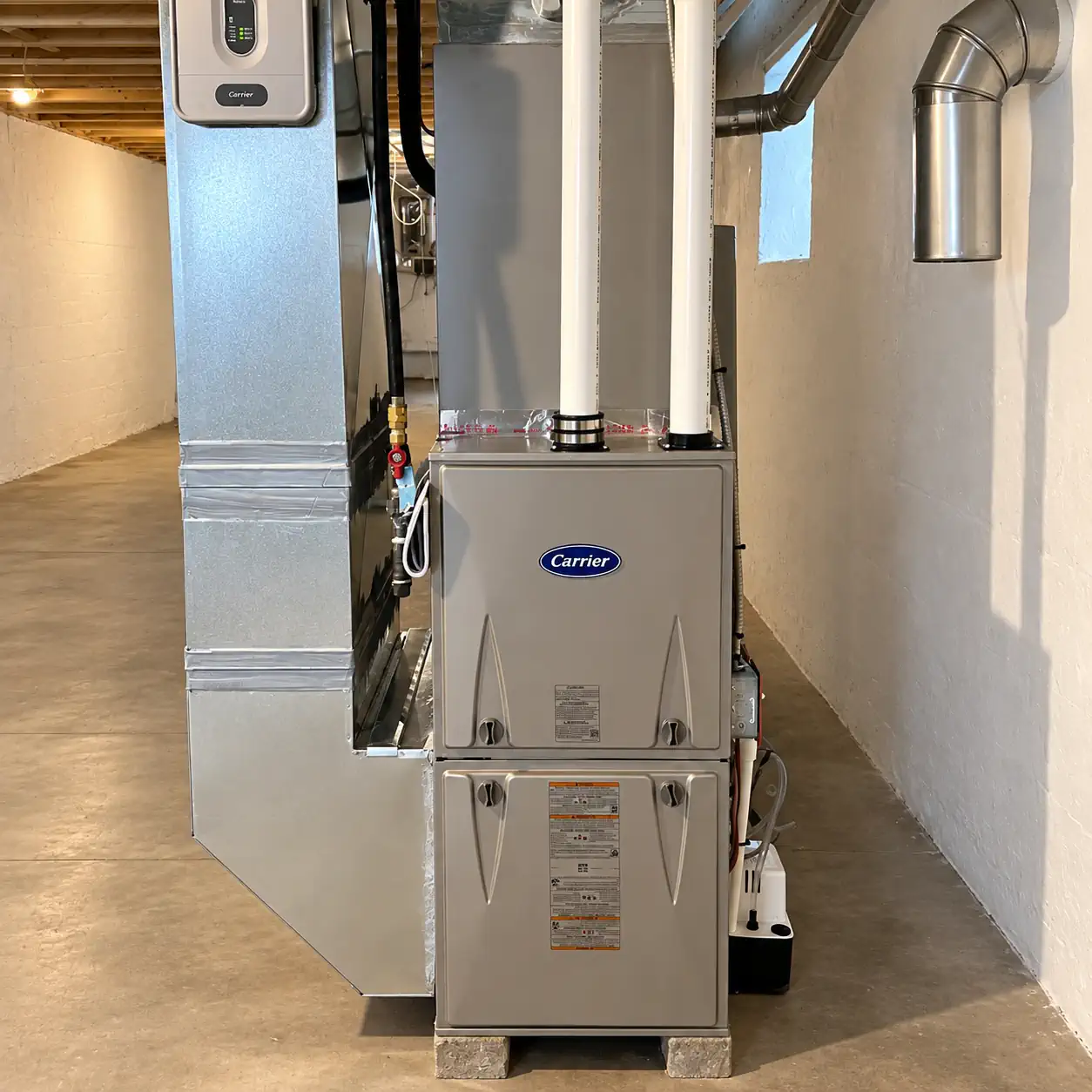
Newer, More Efficient Equipment
High-efficiency condensing gas furnaces and boilers turn 95 percent or more of their fuel into heat, while most oil furnaces and boilers run in the low to high 80s. A newer gas system with a transferable warranty tells a buyer there’s no big heating expense coming. An old oil burner near the end of its life usually gets priced into the offer.
How Oil Heat Can Hold Back a Sale
Buried Oil Tanks
A buried oil tank is the biggest concern. Buyers, home inspectors, lenders, and insurers often treat one as a red flag, and it’s common for a buyer to ask for a tank sweep or soil test, or for the tank to be removed or properly abandoned before closing. A leaking tank can lead to an expensive cleanup, so many buyers walk away rather than take the risk. An aboveground tank in the basement raises fewer questions, but its age and condition still get noticed at inspection.
Older Oil Burners and Boilers
Oil equipment needs annual cleaning to keep soot from building up, and a home inspector will note an old burner, a sooty chimney, rust, or weeping fittings. Each item becomes something to negotiate. If the system is near the end of its life, buyers will often subtract the full cost of a replacement from their offer.
A Smaller Pool of Buyers
Some buyers, especially those moving from areas where everyone has gas, filter out oil-heated homes entirely. Fewer interested buyers can mean a longer time on the market and less leverage for the seller, even when the house is otherwise a good fit.
Natural Gas vs. Oil Heat at a Glance
| Natural Gas | Heating Oil | |
|---|---|---|
| Fuel supply | Piped in from the utility, no deliveries | Delivered by truck and stored in a tank |
| Price changes | Utility rates adjusted on a regular schedule | Follow the oil market and can spike in winter |
| Equipment efficiency | Condensing models at 95 percent and up | Most models in the 80 to 87 percent range |
| Upkeep | Annual tune-up | Annual cleaning, nozzle and filter changes |
| Storage | None | Basement or buried tank that ages |
| Buyer appeal | Widely preferred where gas is available | Can raise questions at inspection |
| Availability | Needs a gas main on your street | Available almost anywhere |
Should You Convert to Natural Gas Before Selling?
It depends on your street, your current system, and your timeline. Converting usually makes sense when:
- There’s a gas main on your street, and most nearby homes heat with gas
- Your oil burner or boiler is old enough that buyers will price in a replacement anyway
- You have a buried oil tank that will need attention before closing either way
- You’re listing in a few months, not a few weeks, because new gas service from the utility can take weeks to schedule
A credit or a written estimate may make more sense when:
- Your oil system is fairly new and well maintained
- There’s no gas main nearby, so a conversion would mean a long and costly service extension
- You’re listing soon and can’t wait for the utility
A written conversion estimate from a licensed contractor is useful either way. It answers the buyer’s first question, “what would it take to switch to gas?”, and keeps a guess from turning into a big price cut. The gas line installation, the new furnace or boiler, and the permits can usually be finished in one project once the utility sets the meter.
Thinking About Gas Heat Before You Sell?
We check gas availability at your street, run the gas line, and install a right-sized furnace or boiler with permits, plus a written estimate you can show buyers. Learn how switching to natural gas works in Philadelphia and the suburbs.
Buying a Home With Oil Heat? What to Check
- The tank: where it is, how old it is, and whether it’s buried. Ask for a tank sweep or soil test on any buried tank before you finalize your offer.
- The burner and boiler or furnace: their age and service records. Annual cleaning receipts are a good sign.
- Gas availability: whether there’s a gas main on the street. PGW serves Philadelphia, and PECO serves most of the suburbs.
- A conversion estimate: if you plan to switch to gas, get a written estimate during your inspection period so you can negotiate with real numbers.
A heating inspection before you buy tells you how much life the system has left, whatever fuel it uses.
Natural Gas for Rental and Investment Properties
For landlords, gas heat with its own meter for each unit lets tenants pay for their own heat, and there are no oil deliveries to manage between tenants. An oil tank that runs dry in a rental is an emergency no-heat call. In Philadelphia, landlords are required to keep the heat on through the heating season, as our guide to no heat in the house explains. When an investment property’s oil system is near the end of its life, converting to gas during a renovation or between tenants is usually the easiest time to do it.
Benefits of Natural Gas Heating
- Lower running cost than oil in most Philadelphia-area homes
- No deliveries, no tank, and no running out of fuel
- High efficiency with condensing furnaces and boilers
- Cleaner burning than heating oil, with fewer emissions of many pollutants, according to the EIA
- One fuel for more appliances, including the range, dryer, water heater, and fireplace
- Stronger buyer appeal when it’s time to sell
Get a Gas Conversion Estimate in Philadelphia and the Suburbs
EMCO Tech converts homes from oil and electric heat to natural gas across Philadelphia, Montgomery, Bucks, Chester, and Delaware counties. That includes checking gas availability at your street, coordinating with PGW or PECO, running the gas line, and installing a right-sized gas furnace or gas boiler with permits and inspections. Whether you’re getting ready to sell, just bought, or want lower bills, you get a written estimate before any work starts. Call 215-366-1001 or book online.
Natural Gas and Home Value FAQs
In most of the Philadelphia area, natural gas heat makes a home more appealing to buyers and easier to sell, but there’s no fixed amount it adds to the price. Appraisers compare your home to similar recent sales nearby, so gas helps most where it’s the norm, like Philadelphia and the older inner suburbs, and matters less in areas without gas mains, where oil, propane, and heat pumps are common. Gas adds value through lower heating bills, no oil deliveries, no oil tank, and gas appliances. The condition and age of the heating system matter just as much as the fuel, so a well-kept system helps either way.
Where natural gas is available, most buyers prefer it. Gas heat usually costs less to run, there are no deliveries to schedule, there’s no tank to inspect, and it opens the door to a gas range, dryer, and water heater. Many buyers who have never owned an oil-heated home see oil as a hassle, and some filter oil-heated listings out entirely. That can mean fewer showings and less leverage for the seller. In rural areas without gas mains, oil is still common and buyers expect it, so a well-maintained oil system with service records and an aboveground tank in good condition is far less of a concern there.
Converting before you sell is usually worth it when there’s a gas main on your street, most nearby homes already heat with gas, and your oil system is old enough that buyers would price in a replacement anyway. It also makes sense when a buried oil tank will need attention before closing either way. It’s less worth it when your oil system is fairly new, when the nearest gas main is far away, or when you’re listing within weeks, because new gas service from the utility can take time to schedule. In those cases a written conversion estimate you can hand to buyers often protects your price just as well.
A buried oil tank can hurt a sale more than the oil heat itself. Many buyers, home inspectors, lenders, and insurers treat an underground tank as a red flag because a leak can mean an expensive soil cleanup. Buyers commonly ask for a tank sweep or soil test, and many want the tank removed or properly abandoned before closing. Dealing with the tank before you list, and keeping the paperwork, removes that uncertainty and the price cut that comes with it. If you’re converting to gas at the same time, the old tank can be planned into the same project, so you’re not handling it twice or at the last minute.
Appraisers don’t add a set amount for gas heat. They compare your home to similar homes that sold recently nearby and adjust for differences buyers actually pay for. If most comparable homes have gas and yours has oil, the difference can show up in the adjustments and, more often, in how buyers respond during showings and negotiation. If most homes in your area heat with oil or propane, the fuel type usually makes little difference to the appraisal. The age and condition of the heating system, and any open questions about an oil tank, tend to affect the final sale price more than the fuel on its own.
In most Philadelphia-area homes, natural gas costs less to heat with than oil, and the price is more stable. Gas rates are set by the utility and adjusted on a regular schedule, while oil prices follow the market and can spike in the middle of winter. For the 2026 to 2027 winter, the EIA expects oil-heated households to spend about 21 percent more than last winter, and Northeast gas-heated households about 14 percent less. Your savings depend on your home’s size, insulation, and equipment efficiency. Our switching to natural gas guide walks through the running-cost comparison and what a conversion involves for a typical Philadelphia-area home.
An oil-heated house can still be a good buy if you know what you’re getting. Check where the tank is, how old it is, and whether it’s buried, and ask for a tank sweep or soil test on any underground tank. Look at the age and service records of the burner and boiler or furnace. Find out whether there’s a gas main on the street, because that tells you whether converting later is realistic. Then get a written conversion estimate during your inspection period. That turns the oil heat from an unknown into a number you can negotiate with, and it shows you the real cost of the house you’re buying.
Natural gas heating usually costs less to run than oil in the Philadelphia area, and its price is more predictable through the winter. Fuel comes through a pipe, so there are no deliveries, no tank, and no running out on a cold night. High-efficiency condensing gas furnaces and boilers turn 95 percent or more of their fuel into heat, and natural gas burns cleaner than heating oil. Once gas is in the house it can also run a range, dryer, water heater, and fireplace. Gas heat also tends to make a home more appealing to buyers when it’s time to sell, especially in neighborhoods where most homes already have it.
Natural Gas Conversion Services
Switching to Natural Gas
How an oil or electric to gas conversion works, step by step.
Gas Line Installation
Permitted gas piping for your furnace, boiler, range, dryer, and water heater.
Gas Furnace Installation
High-efficiency gas furnaces sized to your home with a real load calculation.
Gas Boilers
Condensing gas boilers for homes with radiators and baseboard heat.
Heating Installation
Furnace, boiler, and heat pump replacement with a free written quote.
Gas Water Heaters
Add a gas water heater on the same new gas line.
Related Guides
Post Updated: October 2026

Why Is My Heater Blowing Cold Air?
Why Is My Heater Blowing Cold Air? The Short Answer
A heater blows cold air for one of five reasons: the thermostat fan is set to On instead of Auto, the furnace hasn’t lit or has shut its burners off for safety, a clogged filter is making it overheat, a heat pump is in defrost or isn’t switching into heat mode, or leaky ductwork is losing the warm air before it reaches your rooms. The first three take a minute to check yourself. The rest usually need a heating technician.
Start with the checks below. If cold air keeps coming out after that, call for same-day heating repair and tell us exactly when the air turns cold. That detail points straight to the cause.
Check These First
Thermostat Fan Set to On Instead of Auto
This is the most common reason a heater blows cold air, and it isn’t a breakdown at all. With the fan set to On, the blower runs nonstop, even between heating cycles when the burners are off. The air coming out of your vents between cycles is room temperature, and it feels cold on your skin. Switch the fan to Auto so the blower only runs while the system is actually heating.
Give It a Minute at Startup and Shutdown
A gas or oil furnace waits 30 seconds to a minute after the burners light before the blower starts, so the heat exchanger can warm up. At the end of a cycle, the blower keeps running for a minute or two after the burners shut off to pull the leftover heat out. In both moments the air feels cooler than normal. That’s by design. If the air stays cold for the whole time the system runs, something is wrong.
 Check the Air Filter
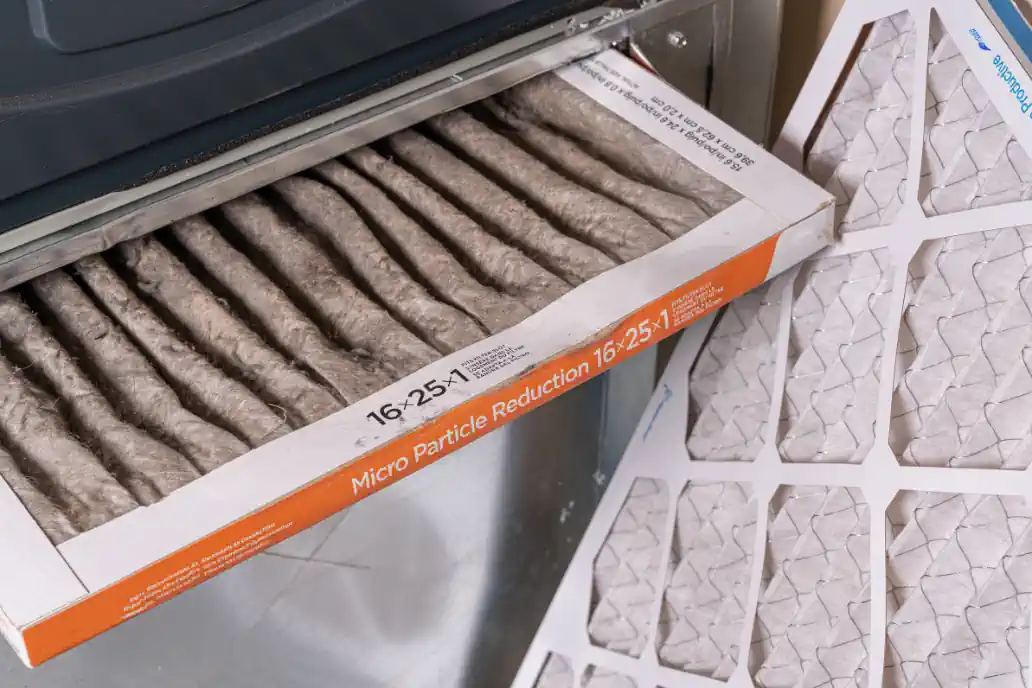
A clogged filter chokes airflow. The heat exchanger overheats, a safety switch shuts the burners off, and the blower keeps running to cool things down, pushing cool air through your vents. Hold the filter up to a light. If you can’t see through it, replace it.
Confirm the Thermostat Is Set to Heat
Make sure the thermostat is on Heat, not Cool or Off, and set a few degrees above room temperature. Replace the batteries if the display is dim or blank. Smart thermostats can also get stuck on an old schedule or lose power after an update.
Look at the Outdoor Unit if You Have a Heat Pump
If you have a heat pump and the outdoor unit is steaming or quiet while the indoor fan blows cooler air, it is probably in defrost mode. Defrost cycles last about 5 to 15 minutes in cold, damp weather and are normal. If the cold air lasts much longer than that, or the outdoor unit is covered in ice, the heat pump needs service.
Furnace Blowing Cold Air: What It Usually Means
When a gas furnace runs but blows cold air the whole time, the burners usually aren’t lighting or are shutting off right after they light. The blower still runs, so you feel air, but there’s no heat behind it. Common causes include a cracked hot surface ignitor, a dirty or failing flame sensor, a pilot that won’t stay lit on older furnaces, a gas valve or gas supply problem, a pressure switch that won’t close because of a blocked vent or full condensate drain, and an overheating limit switch. These parts sit inside the burner compartment, next to gas lines and high-voltage wiring, so this is where homeowner troubleshooting stops. Our gas furnace repair technicians test each one and replace only what failed.
Oil Furnace Blowing Cold Air
On an oil furnace, cold air usually means the burner isn’t firing. The most common causes are an empty or nearly empty oil tank, a clogged oil filter or nozzle, air in the oil line after a tank runs dry, or a burner lockout from a failed cad cell sensor. If the red reset button on the burner has popped out, press it once. Never press it more than once, because repeated resets can flood the chamber with oil and cause a dangerous puffback. If one press doesn’t start the burner, call for oil furnace repair.
If the furnace won’t turn on at all, no blower, no lights, nothing, see our guide to a furnace not working instead.
Why Does My Heater Blow Hot Then Cold?
When a heater blows warm air for a few minutes and then switches to cold air while the fan keeps running, the burners are shutting off mid-cycle. The blower keeps going to cool the heat exchanger, so the air turns cold. The usual causes are overheating from a dirty filter or closed vents, which trips the high-limit switch, a dirty flame sensor that can’t confirm the flame, a weak ignitor, or a venting problem that trips the pressure switch. A furnace that does this every cycle is protecting itself, and the cause needs to be found before it wears out parts. If the whole furnace keeps cycling on and off, see furnace keeps shutting off.
Heater Still Blowing Cold Air?
If the fan setting and filter weren't the problem, our technicians find the real cause and fix it, with same-day heating repair across Philadelphia and the suburbs.
Heat Pump Blowing Cold Air When the Heat Is On
Heat pumps heat differently from furnaces. A gas furnace sends air into your rooms at around 110 to 130 degrees, while a heat pump delivers air closer to 90 to 100 degrees. Since that’s close to your skin temperature, moving air from a working heat pump can feel cool even when it is heating the house. If the house is holding temperature, the system is probably fine.
It is a real problem when the house is losing temperature or the air is clearly room temperature. Common causes include a reversing valve stuck in cooling mode, low refrigerant from a leak, a frozen outdoor coil, a failed defrost control, or auxiliary heat strips that won’t come on when outdoor temperatures drop into the teens. Our heat pump repair team diagnoses ducted and ductless systems, and our guide to aux heat and cold-climate heat pumps explains how backup heat should work.
Central Heat Blowing Cold Air in Some Rooms
If warm air reaches some rooms but others get cool air, the furnace is probably fine and the ductwork is the problem. Disconnected or leaking ducts in attics, crawl spaces, garages, and unheated basements lose heat before the air ever reaches the register. Long duct runs to additions and second floors are common culprits in Philadelphia twins and older suburban homes. Closed dampers and blocked return grilles also starve rooms of warm air. Sealing, repairing, or redesigning the ductwork usually fixes it, and our duct design and installation team handles duct repairs and modifications. Rooms that never warm up on the coldest nights may point to a system that’s undersized, covered in furnace can’t keep up in extreme cold.
Heat Blowing Cold Air in an Apartment or Rental
Many apartments and condos use heat pumps or electric air handlers instead of gas furnaces, so the air naturally feels cooler than a furnace and pauses during defrost cycles. Check that the thermostat fan is on Auto, the mode is Heat, and the filter isn’t clogged, then report it to your landlord or building manager if the apartment still won’t warm up. Landlords and property managers can call us directly. We repair heating systems in rowhome rentals, apartment buildings, and multi-unit properties, and our commercial HVAC services team covers larger buildings.
Quick Comparison: What’s Causing the Cold Air?
| What You Notice | Likely Cause | Who Fixes It |
|---|---|---|
| Cold air between heating cycles | Thermostat fan set to On | You: switch the fan to Auto |
| Cool air for a minute at start or end | Normal blower delay | Nobody, this is normal |
| Warm air, then cold, every cycle | Overheating, dirty flame sensor, weak ignitor | Change the filter, then call a technician |
| Cold air the entire time it runs | Burners not lighting, gas or oil supply, lockout | Heating repair technician |
| Heat pump air feels lukewarm, house stays warm | Normal heat pump supply temperature | Nobody, this is normal |
| Heat pump blows cold, house losing heat | Reversing valve, refrigerant, defrost, aux heat | Heat pump technician |
| Some rooms warm, others cold | Leaky or disconnected ductwork | Duct repair |
When a Heater Blowing Cold Air Is More Than an Annoyance
 Cold air is usually a comfort problem, but some signs mean you should shut the system off and call right away: a gas or rotten egg smell, a carbon monoxide alarm, a burning or electrical smell that doesn’t fade, soot around the furnace, or an oil burner that won’t fire after one reset. If you smell gas, leave the house and call your gas utility from outside first, PGW in Philadelphia or PECO in most of the suburbs. If the CO alarm sounds, get everyone out and call 911. Our guide to furnace gas smells covers the warning signs.
Heater Blowing Cold Air in the Philadelphia Area? Get Same-Day Repair
EMCO Tech repairs gas, oil, and electric furnaces, heat pumps, and ductwork across Philadelphia, Montgomery, Bucks, Chester, and Delaware counties. We find out exactly why your heater is blowing cold air, give you the price before any work starts, and carry common parts like ignitors, flame sensors, and pressure switches so most repairs are done in one visit. Call 215-366-1001 or book online. A winter heater tune-up catches weak ignitors, dirty sensors, and clogged drains before the first cold night.
Heater Blowing Cold Air FAQs
The most common reason is the thermostat fan setting. If the fan is set to On instead of Auto, the blower runs nonstop and pushes room-temperature air between heating cycles, which feels cold. Other causes include a clogged air filter that makes the furnace overheat and shut its burners off, an ignition failure where the burners never light, a gas or oil supply problem, or a heat pump that is in defrost or stuck in cooling mode. Set the fan to Auto and replace a dirty filter first. If the air is still cold, a heating technician can test the ignition, safety switches, and controls.
When the fan runs but the air stays cold, the blower is working but the burners aren’t producing heat. On gas furnaces, the usual causes are a cracked hot surface ignitor, a dirty flame sensor, a pilot that won’t stay lit, a gas valve problem, or a pressure switch that won’t close because of a blocked vent pipe or full condensate drain. An overheating limit switch can also shut the burners off while the fan keeps running. The furnace control board often flashes a code that narrows it down. Write it down before turning off the power, then call for furnace repair, because these parts sit next to gas lines and live wiring.
A heater that blows warm air for a few minutes and then cold air is shutting its burners off mid-cycle while the blower keeps running to cool the heat exchanger. The most common causes are overheating from a dirty filter, closed vents, or blocked returns, which trips the high-limit switch; a dirty flame sensor that can’t confirm the flame; a weak ignitor; and venting problems that trip the pressure switch. Replacing a clogged filter and opening vents sometimes solves it. If it keeps happening, have a technician find the cause, because repeated safety shutdowns wear out parts and can point to a cracked heat exchanger on older furnaces.
First, make sure it’s actually cold. Heat pumps deliver air around 90 to 100 degrees, much cooler than a furnace, so the air can feel cool even while it’s heating your home. Short bursts of cooler air are also normal during defrost cycles, which usually last 5 to 15 minutes. If the house is losing temperature, the common causes are a reversing valve stuck in cooling mode, low refrigerant from a leak, a frozen outdoor coil, a failed defrost control board, or auxiliary heat strips that don’t turn on in very cold weather. A heat pump technician can check refrigerant pressures, the reversing valve, and the backup heat.
If you have a heat pump, warm air around 90 to 100 degrees can feel cool because it’s close to your skin temperature and the moving air carries heat away from your body. That’s normal as long as the house holds its temperature. With a gas or oil furnace, the air should feel clearly warm, usually 110 to 130 degrees at the registers. If furnace air feels lukewarm, the cause may be a dirty filter, a burner that’s underfiring, leaky ductwork running through cold spaces, or a register at the end of a long duct run. A technician can measure the temperature rise across the furnace to tell whether it’s heating properly.
An oil furnace blowing cold air usually has a burner that isn’t firing. Check the tank gauge first, because running low or empty is the most common cause, and refilling it often isn’t enough, since air in the line has to be bled before the burner will fire again. Other causes include a clogged oil filter or nozzle, a failed oil pump, a dirty or failed cad cell sensor that locks the burner out, and an ignition transformer problem. If the red reset button has popped out, press it only once. Pressing it repeatedly can flood the chamber with oil and cause a puffback, so call for oil furnace repair if one press doesn’t work.
Many apartments use heat pumps or electric air handlers, which naturally blow cooler air than a gas furnace and pause during defrost cycles in cold weather. Check that the thermostat is set to Heat, the fan is on Auto, and the temperature is set above the room temperature, and make sure supply vents and the return grille aren’t blocked by furniture. If the apartment still won’t warm up, report it to your landlord or property manager, since tenants usually aren’t responsible for heating repairs. Landlords and property managers in the Philadelphia area can call EMCO Tech directly for same-day heating repair in rental units and multi-unit buildings.
Cold air by itself is usually a comfort problem, not an emergency, and often comes from a thermostat setting, a clogged filter, or an ignition part. It becomes urgent when it comes with a gas or rotten egg smell, a carbon monoxide alarm, soot, a burning or electrical smell that won’t fade, or an oil burner that won’t fire after one reset. If you smell gas, leave the house and call your gas utility from outside. In freezing weather, a heater that won’t make heat can also lead to frozen pipes, so don’t wait long to schedule a repair if the house is losing temperature.
It depends on the cause. A thermostat setting or a clogged filter costs nothing to fix. Common repairs like replacing an ignitor, flame sensor, pressure switch, limit switch, or thermostat usually land in the range of a few hundred dollars. Bigger repairs, such as an inducer motor, control board, gas valve, refrigerant leak repair on a heat pump, or ductwork repair, cost more. A diagnostic visit pinpoints the actual cause, and at EMCO Tech you get the repair price before any work starts. If the system is 15 or more years old and the repair costs more than a third of a new system, it’s worth comparing repair against replacement.
Explore Our Heating Repair Services
Heating Repair
Same-day heater repair for furnaces, boilers, and heat pumps across Greater Philadelphia.
Gas Furnace Repair
Ignitor, flame sensor, limit switch, and gas valve repairs when the burners won't stay lit.
Oil Furnace Repair
Burner lockouts, nozzle and filter problems, and oil furnaces blowing cold air.
Heat Pump Repair
Defrost, reversing valve, refrigerant, and aux heat problems on ducted and ductless systems.
Ductwork Repair
Leaky or disconnected ducts sealed, repaired, or redesigned so warm air reaches every room.
Winter Heater Tune-Up
Catch weak ignitors, dirty sensors, and clogged drains before the first cold night.
Post Updated: October 2026
SEER and EER Ratings Explained: What They Mean for Your AC Bill
Shopping for a new air conditioner means running into a wall of acronyms: SEER, SEER2, EER, EER2. They all measure efficiency, but they are not the same thing, and the right number for your home depends on how you use your system. Below we break down what each rating means in plain English, what counts as a good number in 2026, and when paying for a higher rating actually pays you back.
What Is SEER? (And Why It Is Now SEER2)
SEER stands for Seasonal Energy Efficiency Ratio. It measures how much cooling a system delivers over a whole season divided by the electricity it uses. A higher SEER means more cooling per dollar of power. As of 2023, the industry moved to SEER2, a stricter testing standard that better reflects real-world conditions, so the SEER2 number you see on a new unit runs slightly lower than the old SEER for the same equipment.
For a deeper purchase walkthrough, including sizing and rebates, see our full AC buying guide.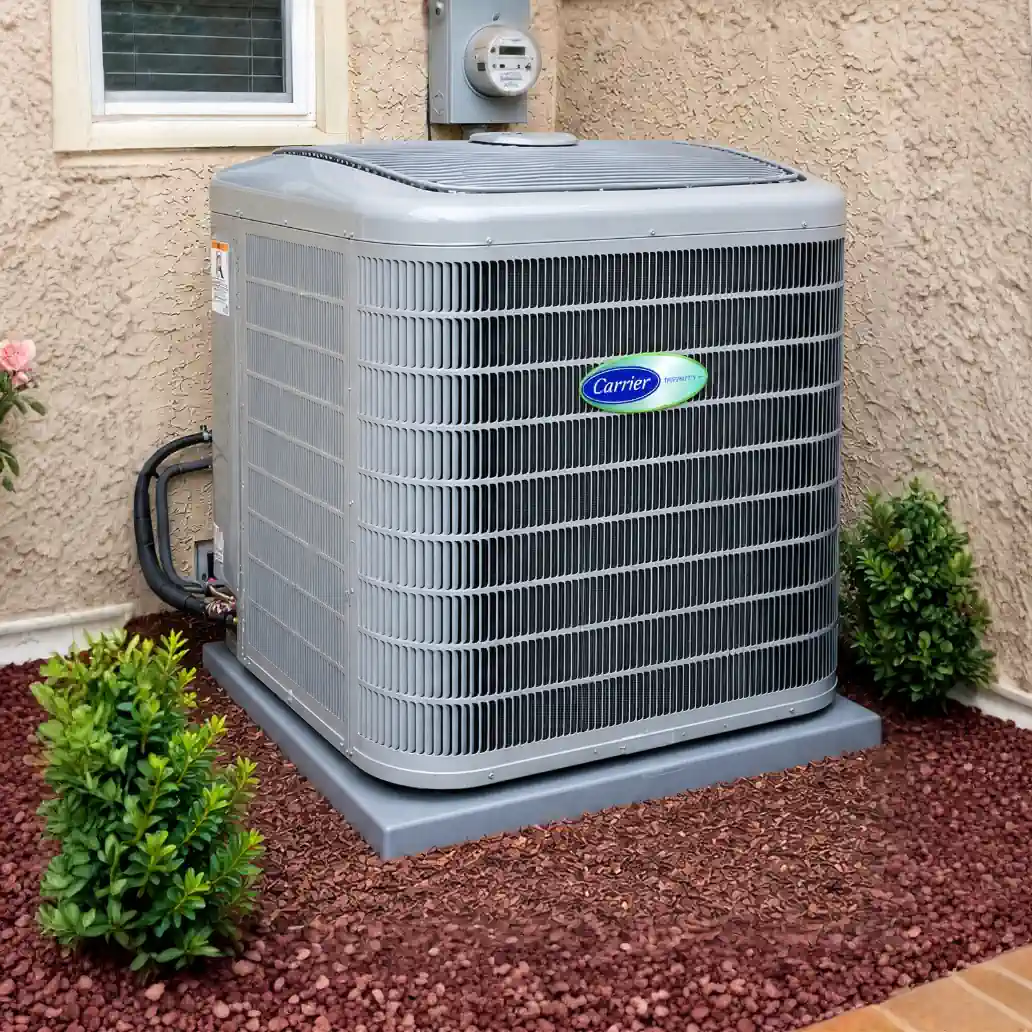
EER vs SEER: What Is the Difference?
EER, or Energy Efficiency Ratio, measures efficiency at a single peak condition, usually a hot 95-degree day, rather than across a whole season. Think of SEER as the season-long average and EER as the performance on the hottest afternoon. In a humid Philadelphia-area summer with long stretches of extreme heat, EER and EER2 matter more than many homeowners realize, because that is exactly when your system works hardest.
What Is a Good SEER Rating?
New systems start around the federal minimum and climb well into the high-efficiency range. A mid-range rating suits most homes, while the highest ratings make the most sense for large homes, heavy cooling use, or anyone planning to stay put for many years. The jump from an old unit to almost any modern system delivers the biggest savings; the gains get smaller as you climb to the very top tier.
What SEER Rating Do You Need for Your Home?
The right number depends on your home size, how long you plan to stay, and how much you run the AC. A higher rating costs more upfront but lowers your bill every season, so the math favors high efficiency when you cool a lot or stay long-term. The wrong size hurts efficiency no matter how high the rating, which is why proper sizing matters as much as the SEER number itself.
If your current system is aging, our guide on whether to repair or replace your HVAC system helps you weigh the upgrade.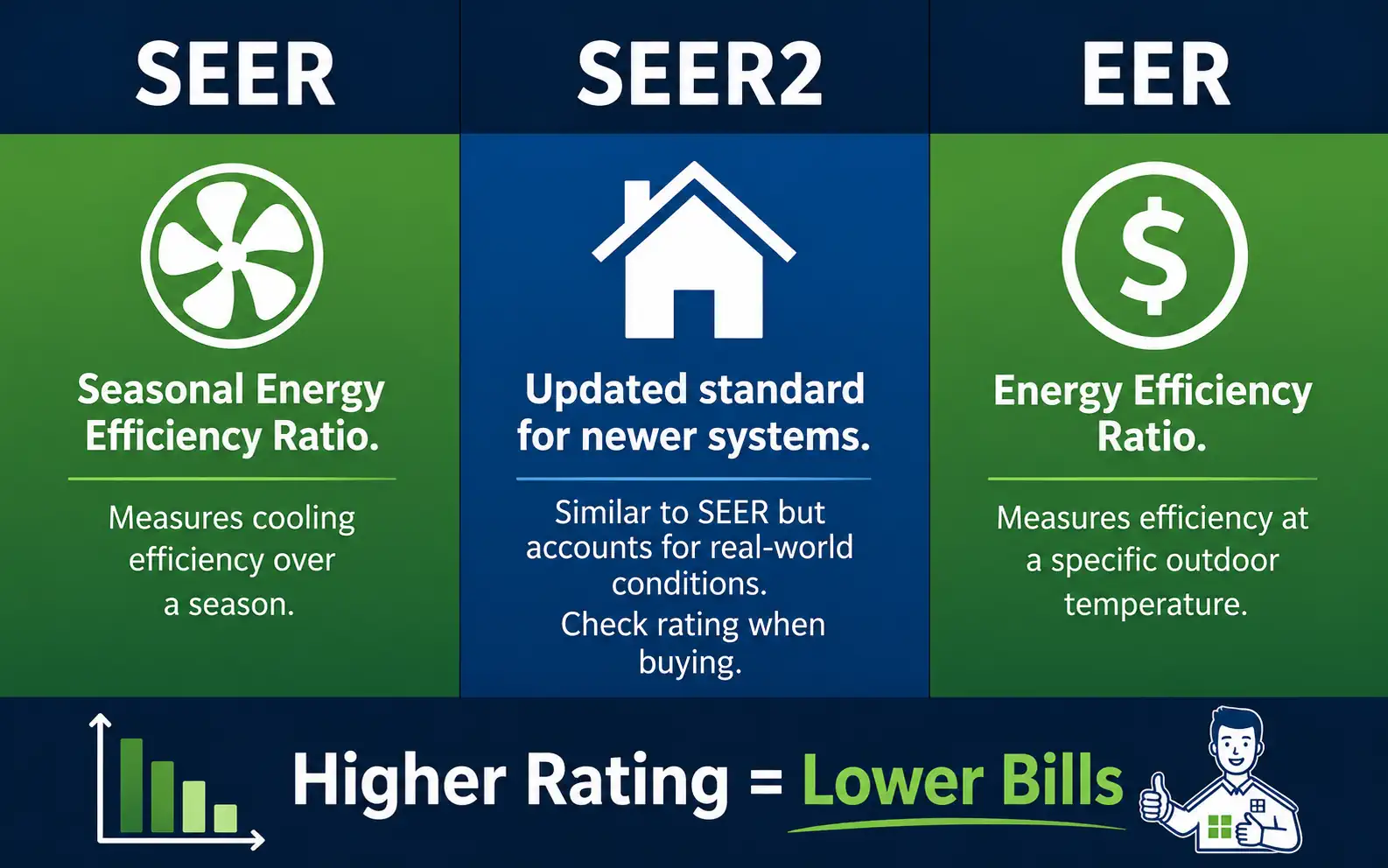
Does a Higher SEER Really Lower Your Bill?
Yes, a higher-rated system uses less electricity for the same cooling, so your summer bills drop. How much depends on your old system, your rates, and your usage, but moving from a decades-old unit to a modern high-efficiency one often cuts cooling costs noticeably. Pricing for a new high-efficiency system varies with size, rating, and home conditions, typically landing in the mid-to-upper thousands of dollars or higher*, and rebates or financing can offset much of that.
Ready to move forward? Explore our AC installation services, see flexible financing options, or check current special offers. Cooling a business? Our commercial HVAC energy-saving strategies and commercial HVAC services apply the same efficiency math at scale.
*Pricing is shown as a general range only and varies by system size, efficiency rating, home conditions, and current equipment and refrigerant costs, which can change without prior notice. Contact us for a current estimate specific to your home.
FAQ
SEER and SEER2 both measure seasonal cooling efficiency, but SEER2 uses a stricter 2023 testing standard that better reflects real-world conditions. For the same equipment, the SEER2 number reads slightly lower than the old SEER, so compare new units by SEER2 to each other.
New systems range from the federal minimum up into the high-efficiency tier. A mid-range rating fits most homes, while the highest ratings make the most sense for large homes, heavy cooling use, or long-term owners. The biggest savings come simply from replacing a very old unit.
Yes. A higher-rated system uses less electricity for the same cooling, so summer bills drop. The exact savings depend on your old system, your energy rates, and how much you run the AC, but upgrading from a decades-old unit usually delivers a noticeable cut.
Common Questions About Air Conditioning Installation: 2026 Expert FAQ Guide
Common Questions About Air Conditioning Installation: 2026 FAQ for Homeowners and Businesses
Whether you are comparing central air, ductless mini-splits, or cooling options for an older property, these are the same practical air conditioning installation questions we answer every week. The goal is simple: help you make a smarter decision before you schedule your estimate.
Quick Jump
- Why should I consider professional air conditioning installation?
- What are the main types of air conditioning systems available?
- What does the professional air conditioning installation process look like step-by-step?
- How long does air conditioning installation typically take?
- What factors affect the cost of air conditioning installation in our area?
- Can I install air conditioning in an older home without existing ducts?
- Why choose EMCO Tech Heating & Cooling for your air conditioning installation?
Need Real Answers for Your Home, Not Generic Advice?
If you are already comparing systems or quotes, the next step is simple. Review our full air conditioning installation services or request a free estimate through our current HVAC promotion page.
Why should I consider professional air conditioning installation?
Let’s be honest, when the summer heat hits Philadelphia or the humidity refuses to leave Willow Grove, a reliable AC isn’t a luxury anymore… it’s a necessity. A properly installed system does so much more than just blow cool air. It controls moisture to stop mold before it starts, filters out allergens that make allergies flare up, and can dramatically improve your family’s comfort and even your sleep quality. One of the most commonly asked air conditioner installation questions we get is “Will it really make that big of a difference?” The answer is yes, especially when it’s done right by professionals who know our local climate inside and out.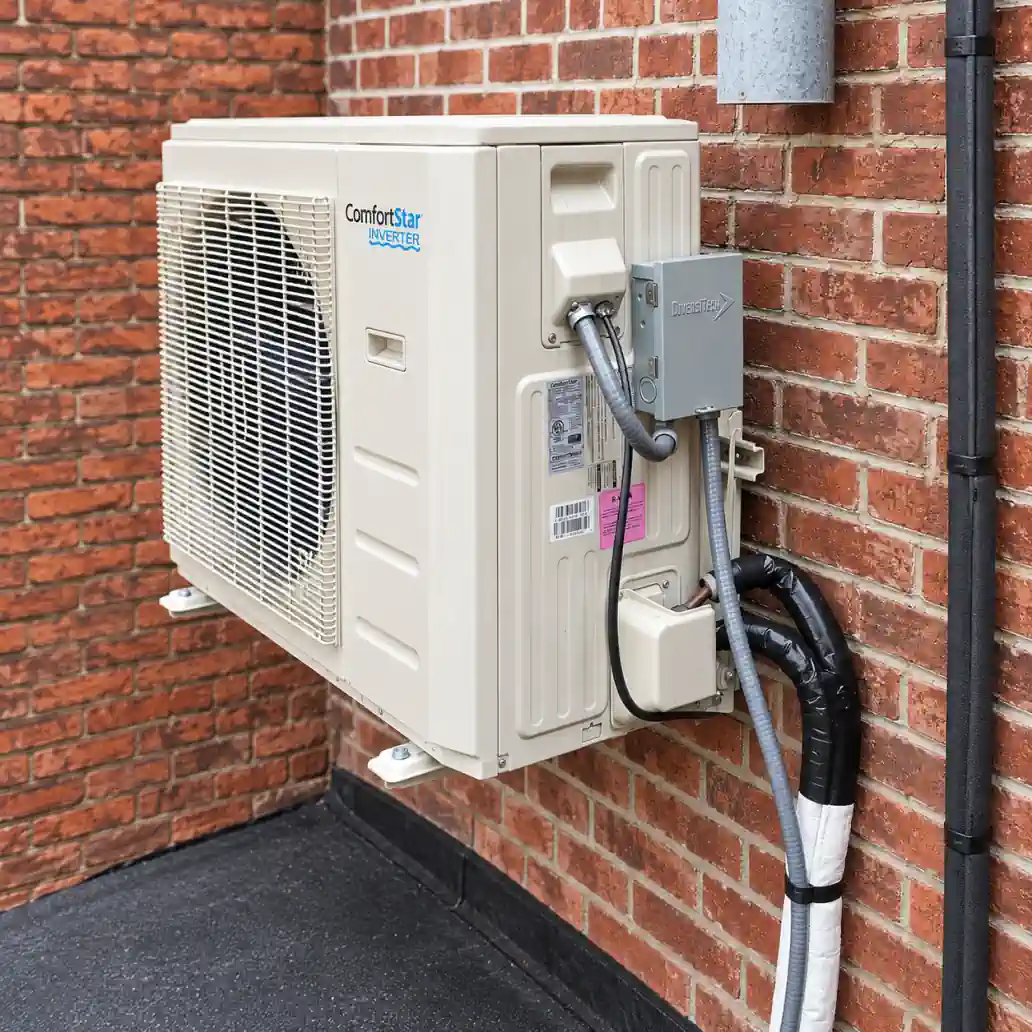
What are the main types of air conditioning systems available?
Most homeowners and businesses in our service area end up choosing between two fantastic options:
- Central air conditioning systems – These use your existing (or new) ductwork to deliver cool, even air throughout the entire house. They’re especially popular in larger homes in Montgomery County and Bucks County.
- Ductless mini-split systems – These are the quiet, flexible wall-mounted or ceiling units that don’t need ducts at all. They shine in older Philadelphia row homes, room additions, or commercial spaces in Chester County and Delaware County.
Heat pumps that handle both heating and cooling are also gaining huge popularity right now because of their efficiency. Not sure which direction is best for your house? We always point people to our detailed AC Buying Guide for the full breakdown on sizing, efficiency ratings, and rebates.
What does the professional air conditioning installation process look like step-by-step?
People are often surprised at how smooth and organized a professional job can be. Here’s exactly what usually happens when we install a new central air conditioning unit installation:
1. We start with a thorough walkthrough and load calculation so the system is perfectly sized for your home.
2. We design the layout, handle any necessary permits, and map out ductwork or line sets.
3. Your old equipment is safely removed with proper refrigerant recovery.
4. The new indoor air handler, outdoor condenser, and smart thermostat go in.
5. Everything gets tested, vacuumed, charged, and commissioned so it runs perfectly from day one.
6. We walk you through how it all works and answer every last question.
It’s clean, respectful of your home, and designed so you’re never left wondering what’s going on.
How long does air conditioning installation typically take?
This is another one of the top ac installation questions we hear. A standard central air job in a home that already has ductwork is usually wrapped up in 1–2 full days. Ductless mini-split installations are often finished in just one day. Bigger projects, like adding new ductwork in an older Philadelphia home or upgrading electrical in Delaware County, can take 3–5 days. The good news? We always give you a clear, honest timeline during your free consultation so there are no surprises.
What factors affect the cost of air conditioning installation in our area?
Every home is different, so costs can vary quite a bit. High-efficiency central air systems in Montgomery County, Philadelphia, Bucks County, Chester County, and Delaware County generally fall into a broad range that depends on the size of your home, whether new ductwork is needed, any electrical upgrades, and the efficiency level you choose. Instead of throwing out numbers that might not fit your situation, we prefer to sit down with you, or hop on a quick call, and give you a personalized estimate based on your home, layout, comfort goals, and budget. We also help you take advantage of every available local incentive and financing option so you get the best value possible.
Can I install air conditioning in an older home without existing ducts?
Yes, and it’s actually one of our favorite projects! Many of the beautiful older homes in Jenkintown, Doylestown, Manayunk, or historic sections of Philadelphia don’t have ductwork… and that’s no problem at all. Ductless mini-split systems are perfect for these situations. You get zoned cooling (different temperatures in different rooms), almost zero disruption to your walls or ceilings, and the kind of quiet, efficient comfort you thought you’d never have in an older house.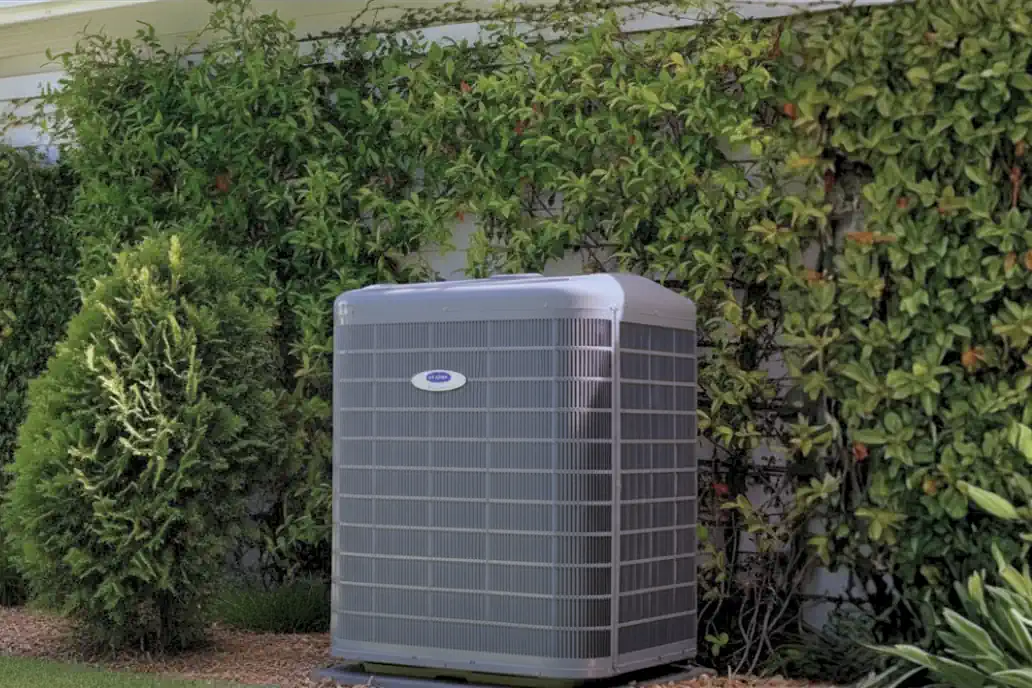
Why choose EMCO Tech Heating & Cooling for your air conditioning installation?
We’re a local, family-owned Carrier dealer with two offices right here in Willow Grove and Philadelphia. We’ve been helping families and businesses across Montgomery County, Philadelphia, Bucks County, Chester County, and Delaware County stay comfortable for years. When you work with us you get:
- Factory-trained, NATE-certified technicians who actually care about doing the job right
- Up to 10-year parts and labor warranties on many systems
- Clean, respectful crews who treat your home like it’s their own
- Full after-install support and optional service agreements so your system stays running strong for decades
Ready to finally get that reliable, energy-efficient cooling you’ve been dreaming about? Learn more about our professional air conditioning installation services or contact EMCO Tech Heating & Cooling today for a free, no-pressure consultation. Just call 215-366-1001 or schedule online, we’re here to make the whole process easy and even a little fun.
Still curious about sizing, efficiency ratings, or comparing quotes? Dive into our full AC Buying Guide or browse our HVAC FAQ page for even more answers.
AC Related Posts & Pages
Post Updated: October 2026

Are Minisplit Air Conditioners a Good Choice
Is a Minisplit Air Conditioner the Right Choice for You?
With rising global temperatures the need for air conditioners has increased more than ever. Today consumers have multiple options thanks to advancing technology. Besides ductless air conditioners, you can find slim duct system AC options on the market. However, since it’s a newer technology, people face a dilemma when it comes to determining whether or not non-ducted minisplit AC is worth considering.
Ductless minisplit equipment manufacturers are fairly new to the US market, but the technology has improved remarkably since it first came onto the scene. In terms of quality and performance, mini-splits have unique features, making them worth considering whenever there are space limitations for conventional air duct connected equipment, or for newly built additions requiring additional conditioned air.
But like any other air conditioning and heat pump systems on the market, mini split systems also require regular maintenance. Routine cleaning or professional seasonal AC tune-up service is important to ensure the system performs at it’s best.
Keep reading to learn how these cooling systems work and in which conditions they deliver best results. Importantly, on Climate.gov you will find more info about global warming.
How do Ductless Minisplit Air Conditioners Work?
The mechanism of non ducted air conditioner is similar to conventional central AC. Like a central or packaged air conditioning system, there is a flow of chemical refrigerant through coiled tubes, and heat is absorbed from the indoors. The outdoor unit releases the heat outside and helps in maintaining the room’s temperature.
One of the major differences between package AC and minisplit system is that first releases heat through the unit’s outdoor portion that hangs out the wall. With ductless split unit, outdoor condenser is separated from indoor air handler reducing noise and cosmetic appearance (since it can be placed anywhere outside the building). Remember, if you want to learn about your specific system and how to take care of it, it’s important to consult a reputable HVAC company for expert tips.
Most people realize that Ductless Minisplit AC and heat pump systems do not require space for air ducts. They are a perfect fit for South and Central Philadelphia buildings, where limited space does not allow installing bulky central air duct systems. These systems can be single zone or multi zone. Single outdoor condenser unit can be connected to 2 or more indoor air handlers providing conditioned air where needed whiteout taking much of occupied space. Non-ducted air conditioners and heat pumps come with simple copper tubing and communicating wire connections, that can be installed on building exterior or hidden inside walls.
Factors Determining the Effectiveness of Ductless Minisplit Air Conditioners
Weather in the Area
Of course, it requires energy for the unit to maintain the proper temperature inside. The lower the temperature outside, the more efficiently the system can work. The best way to mitigate the cost of running the unit is using a thermostat. It helps in maintaining the exact temperature needed, easing the job of your minisplit air conditioners. Also, make sure to use the HVAC unit in an insulated space. Using curtains and blinds for blocking out the sunshine can greatly help!
Size of the Room
A room’s size is a crucial factor that determines the efficiency of an air conditioning system. Bigger rooms require higher capacity equipment, whereas small rooms can be easily cooled with small-to-medium sized units. It’s important to have a factory trainer installation technician to measure the areas and decide the size of the HVAC system and number of indoor blowers.
Make sure the size of the minisplit AC is appropriate for the area or room where it will be used. BTU rating of the product measures its cooling capacity. An air conditioning system with 8,000 BTU is suitable for smaller rooms (measuring up to 200-300 square feet). Whereas, larger rooms require bigger system with 12,000 to 14,000 BTU cooling or more.
Electricity Cost
The cost of running a minisplit air conditioner varies according to the electricity cost of the area, but is much lower comparing to standard HVAC equipment. It is to be noted that the cost rises with the demand and usage. The cost will be highest in the hottest months of summer.
If the prices tend to fluctuate and rise during the peak hours of usage, running AC will turn out to be comparatively cheaper during the night time. Plus, the individual’s affordability also plays a crucial role here. Some people make less use of the ductless minisplit AC in attempts to save on electricity costs.
For best results, you should always consult professionals who have a wealth of knowledge about air conditioning systems. If you are looking for reliable HVAC technicians in Philadelphia, then consider hiring EMCO Tech. From installation to repair and maintenance, we provide service for any and all air conditioning types and brands. Connect with us today to learn more!

Architecture Walks are Popular, Find One in Your City
Many years ago, I worked for my parents who own a video production company. Because it is a family business, you inevitably end up wearing many hats and being the czar of many different jobs. I mainly managed projects and worked as a video editor. On production, there were times that I was called on to work as an audio tech and was made to wear headphones on long production days. In those days, having a really good set of headphones that picked up every nuance of sound was essential to making sure the client got what they needed. Naturally, my first impression of these headphones is based off of the look of them. They have a classic over-the-ear style that is highlighted by a blue light that indicates the power for the noise canceling. The padding on the ear pieces seems adequate for extended usage periods.
They are wired headphones, but the stereo mini-plug cable is detachable. Something else I noticed right of the bat was the very nice carrying case that comes with them. It has a hard plastic exterior with a soft cloth interior that helps to protect the surface of the headphones from scratches. I never truly appreciated cases for headphones until I started carrying them from place-to-place. Now I can’t imagine not having a case. Once I gave the headphones a thorough once-over exam, I tried them on. As I mentioned, they have a classic over-the-ear style and just looking at them, the padding on the ear pieces seem adequate and the peak of the headband seemed to be a bit lacking, but you don’t really know comfort unless you try on the product. So, I slipped the headphones on and found them to be exquisitely comfortable.
If you look at what you have in life, you'll always have more. If you look at what you don't have in life, you'll never have enough.
Oprah Winfrey
Now that I had the headphones on my head, I was finally ready to plug and play some music. I plugged the provided cable into the jack on the headphones and then the one on my iPhone. Then I called up Pandora. I tend to have a very eclectic music purview and have many stations set up for different moods. the sound quality of these headphones was remarkable. There is an amazing depth of sound and incredible highs and lows that make listening to music a truly breathtaking experience. In order to test how voices sounded, and the overall art of mixing, I pulled up Netflix on my iPad Air and watched a few minutes of a movie to hear all the nuances of the film.
None of them were lost. In fact, I ended up hearing sounds that I hadn’t heard before. Echoes…birds chirping…wind blowing through trees…breathing of the characters…it was very impressive what the headphones ended up bringing out for me.
Why Does My Furnace Keep Shutting Off?
Why Does My Furnace Keep Shutting Off? The Short Answer
A furnace that keeps shutting off is usually protecting itself. The most common causes are overheating from a dirty filter or blocked vents, a dirty flame sensor that can’t confirm the burner is lit, a thermostat that’s misreading the room, a blocked vent pipe or condensate drain that trips a safety switch, and a furnace that’s too big for the house. When the furnace shuts off matters most. After a few seconds, after a few minutes, or every few minutes all day each point to a different cause.
Start with the safe checks below. If the furnace still keeps turning off, write down the blinking light code and call for same-day heating repair. A furnace that cycles on safety switches all day wears out parts fast.
Check These First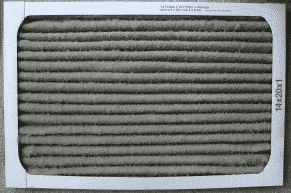
Replace a Dirty Air Filter
This is the number one cause. A clogged filter chokes airflow, the heat exchanger overheats, and the high-limit switch shuts the burners off. The furnace cools down, restarts, and does it all again. Hold the filter up to a light, and if you can’t see through it, replace it.
Open Vents and Clear Return Grilles
Closing too many supply registers or blocking the big return grilles with furniture causes the same overheating as a dirty filter. Keep most vents open and give returns a clear path.
Check the Thermostat
Weak batteries, a loose wire, or a thermostat mounted near a heat source, sunny window, or drafty door can make it shut the furnace off early or cycle it constantly. Replace the batteries and make sure nothing warm is sitting near it, like a lamp, TV, or space heater.
Look at the Outside Vent Pipes
High-efficiency furnaces vent through white PVC pipes on an outside wall or the roof. Snow, ice, leaves, or a nest blocking them trips the pressure switch, and the furnace shuts off or won’t stay running. This is a common no-heat call around Philadelphia after the first snowstorm.
Check the Condensate Drain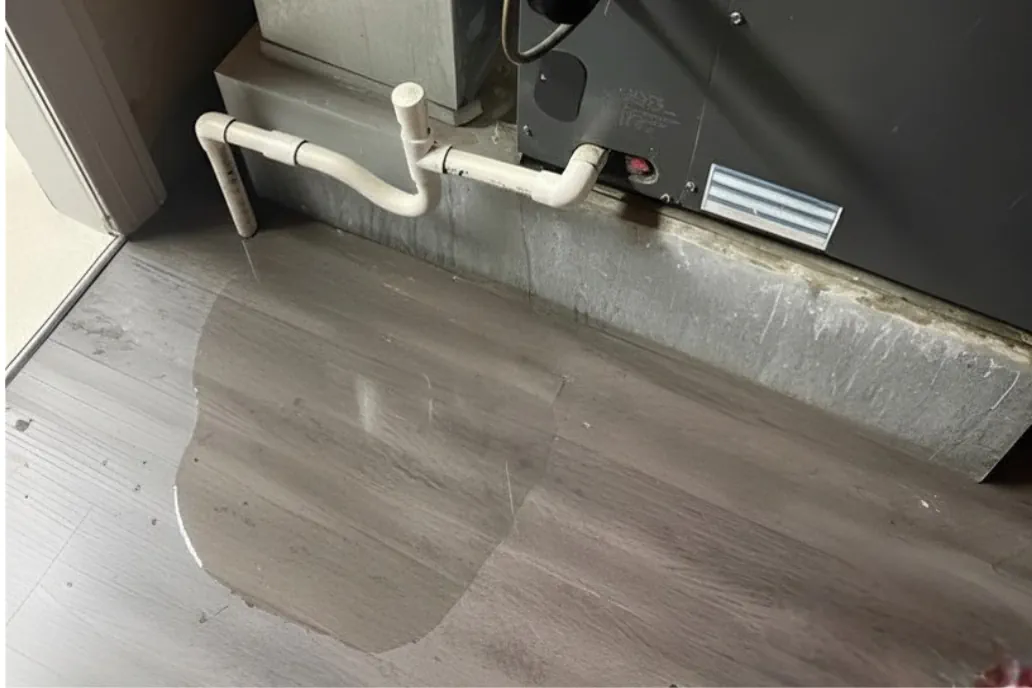
If water is pooling around a high-efficiency furnace or the condensate pump is full, a float switch shuts the furnace down. A clogged or frozen drain line needs to be cleared before the furnace will run normally.
Furnace Shuts Off After a Few Seconds
If the burners light and then go out within a few seconds, the furnace isn’t sensing the flame. The usual cause is a dirty or corroded flame sensor, the small metal rod that sits in the flame. Soot on the sensor weakens its signal, and the control board shuts the gas off as a safety measure. Poor grounding, low gas pressure, or a failing control board can cause the same thing. The furnace will usually retry two or three times and then lock out. This is a quick repair for a technician, but it involves the burner compartment and gas valve, so it’s not one to take apart yourself. Our gas furnace repair team carries flame sensors on the truck.
Furnace Runs for a Few Minutes, Then Shuts Off
When a furnace runs for several minutes and then shuts off before the house is warm, overheating is the most likely cause. The high-limit switch trips when the heat exchanger gets too hot, usually because of restricted airflow from a dirty filter, closed vents, a weak blower motor, or undersized ductwork. A failing limit switch can also trip too early. If the burners go out but the blower keeps running and the air turns cold, see our guide to a heater blowing cold air. On older furnaces, repeated overheating can crack the heat exchanger, so a furnace that does this every cycle should be checked soon.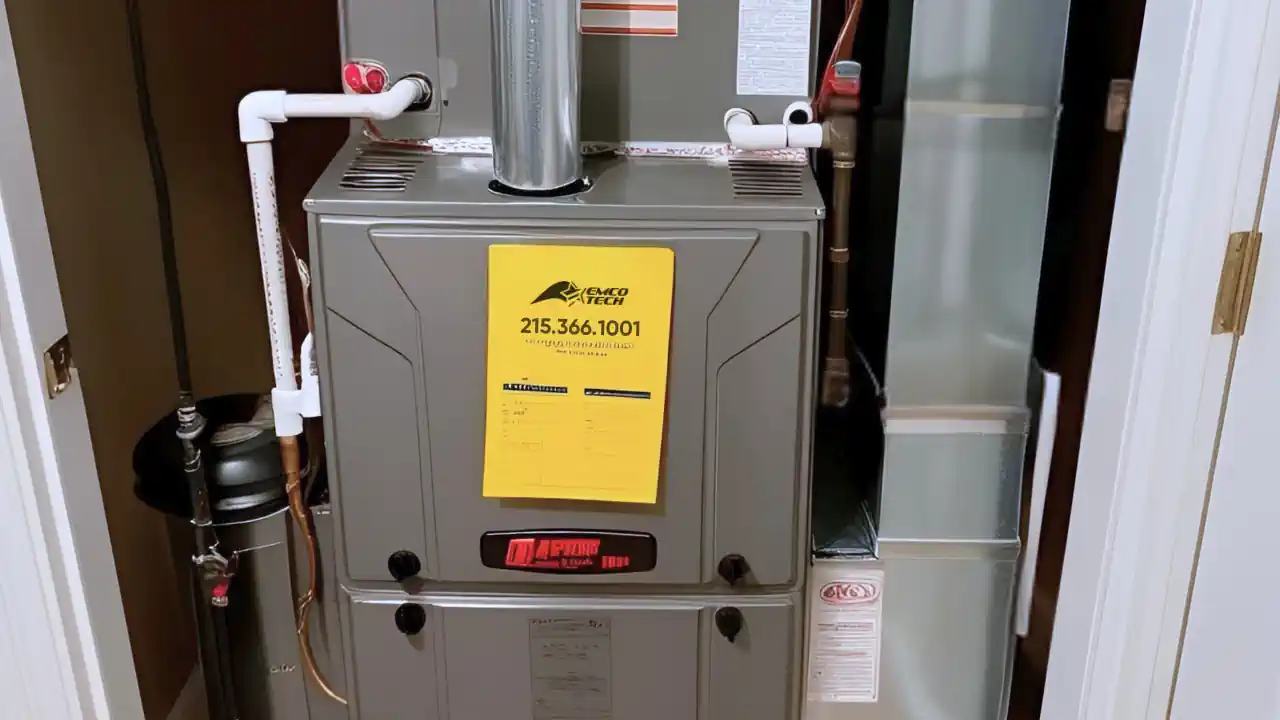
Furnace Turns On and Off Every Few Minutes
A furnace that cycles on and off every few minutes all day is short cycling. Besides overheating, the most common causes are a thermostat problem and a furnace that’s too large for the home. An oversized furnace heats the air near the thermostat so fast that it shuts off before the rest of the house warms up, then starts again a few minutes later. Short cycling wastes fuel, wears out ignitors and motors, and leaves rooms uneven. If your furnace is oversized and getting old, it’s worth knowing the signs your furnace is failing before you replace it with a properly sized one.
Furnace Shuts Off and Won’t Restart
Most modern furnaces try to light a few times and then go into lockout if they fail, often for about an hour. The status light on the control board flashes a code that explains why. Turning the power switch off for 30 seconds and back on clears a lockout once. If it locks out again, the safety system is stopping it for a reason, and more resets won’t help. If the furnace won’t do anything at all, see our furnace not working guide.
Oil Furnace Keeps Shutting Off
Oil burners shut down when the cad cell sensor doesn’t see a flame, usually because of a dirty sensor, a clogged nozzle or oil filter, air in the oil line, or a low tank. The burner’s red reset button will pop out. Press it only once. Pressing it repeatedly can flood the chamber with oil and cause a dangerous puffback, so call for oil furnace repair if one press doesn’t keep it running.
Furnace Still Shutting Off?
Our technicians read the fault code and fix the real cause, not just reset it, with same-day heating repair across Philadelphia and the suburbs.
Quick Guide: When It Shuts Off and Why
| When It Shuts Off | Most Likely Cause | Who Fixes It |
|---|---|---|
| A few seconds after the burners light | Dirty flame sensor, poor ground, low gas pressure | Furnace technician |
| After several minutes, before the house is warm | Overheating: dirty filter, closed vents, weak blower | Replace the filter, then a technician if it continues |
| Every few minutes, all day | Oversized furnace, thermostat problem, overheating | Furnace technician |
| Right after the inducer starts | Blocked vent pipe, pressure switch, condensate clog | Clear outdoor vents, then a technician |
| Shuts off and won’t restart | Lockout after failed ignition | One power reset, then a technician |
| Oil burner stops and reset pops out | Cad cell, nozzle, filter, oil supply | One reset only, then oil furnace repair |
When a Furnace That Keeps Shutting Off Is a Safety Issue
Safety switches are doing their job when they shut the furnace off, but some causes are dangerous. Turn the furnace off and call right away if you hear a loud boom when the burners light, see scorch marks or soot near the burners, smell burning, or your carbon monoxide alarm sounds. If you smell gas or rotten eggs, leave the house and call your gas utility from outside, PGW in Philadelphia or PECO in most of the suburbs. Our guides to a cracked heat exchanger and furnace gas smells explain the warning signs.
Furnace Keeps Shutting Off in the Philadelphia Area? We Fix It Same Day
EMCO Tech repairs gas, oil, and electric furnaces across Philadelphia, Montgomery, Bucks, Chester, and Delaware counties. Our technicians read the fault code, test the flame sensor, limit switch, pressure switch, and controls, and fix the real cause instead of resetting the furnace and leaving. You get the price before any work starts, and most repairs are finished in one visit. Call 215-366-1001 or book online. A yearly winter heater tune-up cleans flame sensors and checks safety switches before they start shutting your furnace down.
Furnace Keeps Shutting Off FAQs
Most furnaces that keep shutting off are tripping a safety switch. The most common causes are overheating from a dirty air filter, closed vents, or blocked returns; a dirty flame sensor that can’t confirm the burner is lit; a blocked vent pipe or full condensate drain on a high-efficiency furnace; a thermostat with weak batteries or a bad location; and a furnace that’s too big for the house. Replace a dirty filter, open your vents, and clear snow or debris from outside vent pipes first. If it keeps happening, write down the blinking light code and call a technician, because repeated safety shutdowns wear out parts.
When the burners light and then go out within a few seconds, the furnace isn’t detecting the flame. The most common cause is a dirty or corroded flame sensor. Soot builds up on the sensor rod, its signal weakens, and the control board shuts the gas valve as a safety measure. Poor electrical grounding, low gas pressure, and a failing control board can cause the same symptom. After a few failed tries, the furnace usually goes into lockout. A technician can clean or replace the flame sensor and test gas pressure in one visit. Because it sits in the burner compartment next to the gas valve, it’s best left to a professional.
A furnace that runs for a few minutes and then shuts off before the house is warm is usually overheating. When airflow is restricted by a dirty filter, closed registers, blocked returns, a weak blower motor, or undersized ductwork, the heat exchanger gets too hot and the high-limit switch shuts the burners off. The furnace cools down and starts again, repeating the cycle. A failing limit switch can also trip too early. Start by replacing the filter and opening vents. If it continues, have the furnace checked soon, because repeated overheating can crack the heat exchanger on older furnaces, which is a carbon monoxide risk.
Short cycling is when a furnace turns on and off much more often than it should, often every few minutes, without ever running long enough to warm the whole house. Common causes include overheating from restricted airflow, a thermostat that’s misreading the temperature or sits near a heat source, a dirty flame sensor, and an oversized furnace that heats the air around the thermostat too quickly. Short cycling wastes fuel, wears out ignitors, motors, and relays, and leaves some rooms colder than others. A technician can measure temperature rise, check the limit switch and thermostat, and tell you whether the furnace is properly sized for your home.
Yes, and it’s the most common reason a furnace keeps shutting off. A clogged filter restricts airflow through the furnace, so the heat exchanger overheats. The high-limit safety switch then shuts the burners off to protect the furnace, the blower keeps running to cool it down, and the cycle repeats. You’ll often notice the air turning cool partway through a cycle. Replacing the filter usually fixes it right away. Most homes need a new 1-inch filter every one to three months during heating season, and thicker media filters last longer. If a new filter doesn’t stop the shutoffs, the blower or limit switch may need service.
If the furnace stops before the house reaches the temperature on the thermostat, check the thermostat first. Weak batteries, a loose wire, or a thermostat mounted near a lamp, TV, sunny window, or heat register can make it think the room is warmer than it is. If the thermostat is fine, the furnace is probably overheating and tripping the limit switch, or losing its flame signal from a dirty sensor. An oversized furnace can also satisfy the thermostat quickly while other rooms stay cold. A technician can test the thermostat wiring, limit switch, and flame sensor to find which one is cutting the cycle short.
The shutoffs themselves are usually the furnace’s safety system working correctly, but the reason behind them can be dangerous. Repeated overheating can crack a heat exchanger and let carbon monoxide into the home, and venting problems can cause the same risk. Turn the furnace off and call right away if you hear a boom when it lights, see soot or scorch marks near the burners, smell burning or gas, or your carbon monoxide alarm sounds. If you smell gas, leave the house and call your gas utility from outside. Otherwise, schedule a repair soon, since a furnace that keeps tripping safety switches wears out parts quickly.
Explore Our Furnace Repair Services
Heating Repair
Same-day heater repair for furnaces, boilers, and heat pumps across Greater Philadelphia.
Gas Furnace Repair
Flame sensors, limit switches, pressure switches, and control boards fixed fast.
Oil Furnace Repair
Cad cell, nozzle, filter, and burner lockout repairs for oil heat.
Electric Furnace Repair
Heating elements, sequencers, breakers, and blower motors repaired.
Thermostat Services
Thermostat repair, relocation, and smart thermostat installation.
Winter Heater Tune-Up
Clean flame sensors and tested safety switches before the first cold night.
Related Guides
Post Updated: October 2026

EMCO Editor