


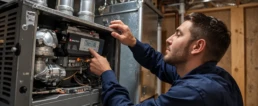
When Should You Get Your Heater Tune-Up?
Wondering when to book your heater tune-up, how long it takes, or whether your furnace even needs one before winter? This is the plain-English guide for homeowners in Willow Grove, Philadelphia, and the surrounding suburbs. When you are ready to book, head to our heater tune-up page. If your heat is already cutting out, that is a different problem, see why your furnace is not heating.
Why August–September Is the Smart Window?
Homeowner guides and safety orgs push fall heating checkups for a reason: demand spikes after the first cold night. ENERGY STAR recommends servicing heating systems before contractors get slammed, and mainstream “do this before winter” lists include HVAC inspections. Use the early window to lock in convenient times and avoid mid-season surprises.
Source: ENERGY STAR.
No heat, or heat that keeps cutting out?
A tune-up is for a system that still runs. If yours has already quit, that's a repair, see why your furnace is not heating.
How Long Does a Heater Tune-Up Take?
A standard gas furnace tune-up usually runs 45 to 90 minutes. Boilers, oil burners, and heat pumps take longer because there is more to inspect and test. A clean, regularly serviced system goes quickly; one with years of dust buildup or weak airflow takes more time for cleaning and deeper checks. The goal is not speed, it is making sure the system runs safely before winter loads it up.
Signs Your Heater Needs a Tune-Up Before Winter
Most heating problems start quietly. Watch for weak or uneven airflow, short cycling, longer run times, rising energy bills, a musty or burning smell on startup, or a system that struggled at the end of last winter. A yellow or flickering burner flame and a furnace noisier than usual are also worth a look. Catching these in the fall usually means a small fix instead of a no-heat call in January.
How Often Should You Service Your Heating System?
Once a year for a furnace or boiler, before the heating season. A heat pump works in both heating and cooling, so it earns two visits a year, one before winter and one before summer. If your system is your home’s primary heat and it runs hard, staying on that schedule is what prevents the surprise breakdowns.
What Happens if You Skip the Tune-Up?
Skipping a season rarely kills a furnace on the spot, it just quietly raises your odds. Dirty filters and coils make the system work harder and run your bills up. Small worn parts that a tune-up would have caught fail on the coldest night instead. And on a gas system, an unchecked heat exchanger or combustion problem is a safety issue, not just an efficiency one. A tune-up is cheap insurance against the expensive version of all three.
Is a Burning Smell Normal the First Time You Turn On the Heat?
A faint burning or dusty smell the first time you run the heat each fall is usually normal, it is summer dust on the heat exchanger burning off, and it should clear within an hour or so. What is not normal: a smell that lingers for hours, a sharp electrical or plastic smell, or the smell of gas. Shut the system down for anything sharp, electrical, or gas-like, and call. A fall tune-up burns that dust off under supervision and confirms there is nothing worse behind it.
What Our Preseason Heater Tune-Up Inspection Service Includes
A professional preseason visit focuses on safety and performance: combustion safety/CO checks, heat exchanger and burner inspection, ignition and thermostat tests, blower/motor diagnostics, electrical connection check, venting review, and filter assessment. Our standard tune-up is inspection and diagnostics only (no deep/chemical cleaning or disassembly). Need full cleaning and optimization? See our complete maintenance option.
Heater tune-up info | Schedule online
Boiler Owners: Read This
Boiler-specific checklist items we feature:
- Combustion analysis with flue-gas analyzer; adjust air-fuel mix
- Clean burners and heat exchanger surfaces
- Draft and smoke test; confirm safe venting
- Oil systems: replace nozzle, filter, pump strainer
- Hydronic: bleed radiators; check system pressure
- Steam: test low-water cutoff; inspect sight glass
These are standard, evidence-based tasks—not upsells. Learn more on our Boiler Maintenance page.
Looking for boiler service Montgomery County or oil boiler tune up Bucks County? We cover both with priority fall scheduling.
Heat Pumps and Mini Splits
Heat pumps and ductless mini splits need fall prep too: clear the outdoor unit, check filters and airflow, verify defrost operation, and test heat mode. Educating homeowners on defrost behavior helps avoid false “breakdown” calls during cold snaps.
Heat pump maintenance | Ductless mini splits
Safety First
CO safety is non-negotiable in heating season. Install and test carbon monoxide detectors near sleeping areas, and make sure your annual check includes CO testing and vent/flue inspections. If you ever smell gas or see sustained CO alerts, shut the system down and call immediately.
Learn more about indoor air quality and CO alarms on our Indoor Air Quality page.
Local Availability
We provide preseason heater tune up near me services across Willow Grove, Philadelphia, Abington, Horsham, Jenkintown, Warminster, and nearby communities in Montgomery and Bucks County, with limited priority slots the last two weeks of September.
Heat already cutting out? Here’s why your furnace is not heating in Willow Grove and when to call.
Fall Heater Tune-Ups in Willow Grove and Philadelphia
EMCO Tech runs preseason heating tune-ups across Willow Grove, Northeast Philadelphia, and the surrounding Montgomery and Bucks County suburbs. Fall slots fill as the weather turns, so the earlier you book, the better the availability. Ready to get on the schedule? Book your heater tune-up or call 215-366-1001. Want the full inspection details first? See our heating maintenance page.
FAQ
Late August through September. ENERGY STAR recommends fall checkups to avoid the rush, and many pros call September the sweet spot.
About 45 to 90 minutes for a standard gas furnace. Older systems and boilers can take longer.
Light dust burn-off is common and should clear quickly. Electrical, rotten egg, smoke, or chemical smells are not normal, shut it down and call.
Limited-Time Fall Tune-Up Specials
Stay warm and safe this winter with EMCO Tech’s preseason heating offers. Our expert technicians keep your system running efficiently and help prevent costly breakdowns during the freezing months.
Quick links:
Heating services · Boilers & Radiant · Ductless mini splits · Indoor Air Quality
Post Updated: September 2026
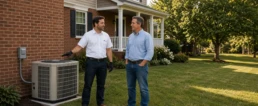
AC Service in Willow Grove: End-of-Summer Tune-Up, Repair, and Replacement
End-of-Summer AC Checklist for Willow Grove Homeowners
After running through July and August humidity, most systems in Montgomery and Bucks County show wear in predictable places. Work through these before you shut the AC down for the season, because every one of them is cheaper to fix now than in next July’s first heat wave.
- Replace the air filter, and check whether it is loaded earlier than usual, which points to a dirty blower or duct leakage
- Clear leaves, grass clippings, and mulch back at least two feet from the outdoor condenser
- Hose the condenser coil from the inside out with the power off at the disconnect
- Check the condensate drain line for standing water or slime, which causes shutdowns and ceiling stains
- Listen for grinding, screeching, or a hard hum at startup, which usually means a failing capacitor or motor bearing
- Note any rooms that never kept up this summer, since that is a sizing, airflow, or duct problem rather than an AC problem
- Compare this summer’s electric bills to last year, because a system losing efficiency shows up on the bill before it fails
- Watch for short cycling, meaning the unit turns on and off every few minutes instead of running a full cycle
- Check that the outdoor unit is level, since settled pads stress refrigerant lines over time
- Schedule a professional tune-up for coil cleaning, refrigerant check, electrical connections, and safety controls
AC struggling at the end of a hard summer?
Nonemergency service calls are free within 5 miles of Willow Grove, covering Hatboro, Horsham, Warminster, and Huntingdon Valley. Get a real diagnosis before you decide anything. See our Willow Grove HVAC services.
Repair or Replace? Make the Call This Fall
If your AC is over 15 years old, struggled to keep up, or required multiple repairs this summer, it may be smarter to replace it now instead of risking a breakdown next July. The good news? Fall is one of the best times to upgrade. With lower demand, you’ll enjoy flexible scheduling, faster installation, and end-of-season promotions.
At EMCO Tech, we’re making it even easier with a limited-time $500 off new HVAC systems, free estimates, and financing options to fit your budget. Whether you need a budget-friendly model or a high-efficiency upgrade, we’ll guide you through the best options for your home.
Local Advantage: No Service Call Fee Near Willow Grove
We’re your neighborhood HVAC company, and we’re giving local homeowners an extra perk. If you live within 5 miles of Willow Grove, including Hatboro, Warminster, Huntingdon Valley, Horsham, and Willow Grove itself, we waive the service call fee for nonemergency visits. It’s our way of looking out for our closest neighbors.
Plan Ahead for Year-Round Comfort
Signing up for a maintenance plan is the easiest way to keep your HVAC system efficient and reliable. You’ll get seasonal tune-ups, priority scheduling, and discounts on repairs. A little prevention now means peace of mind later — no scrambling when the first heat wave hits next summer.
Call 215-366-1001 or request your free estimate online. Lock in $500 savings on a new HVAC system or schedule your end-of-summer AC maintenance today. Act now and enjoy lower bills, reliable comfort, and the peace of mind that your system is ready for whatever comes next.
End-of-Summer AC Questions from Willow Grove Homeowners
End of summer is the better window. Your system just finished its hardest stretch, so wear shows up now while a technician can still run it under load and measure real performance. Book in spring and you are competing with everyone else who waited, usually during the first hot week when schedules are full.
Tune-up pricing depends on system type and whether the visit turns up repairs. Nonemergency service calls are free within 5 miles of Willow Grove, so you get a diagnosis and a number before you commit to anything.
Yes. All four sit inside our 5-mile no service call fee radius from the Willow Grove warehouse on Wyandotte Road. That proximity means common parts are already on the truck, and most repairs finish in one visit.
Usually yes. Efficiency loss is gradual and quiet, so a system can hold temperature while drawing noticeably more power. Dirty coils, low refrigerant, and a weakening capacitor all cause that pattern, and none of them announce themselves until the unit actually quits.
Multiply the repair cost by the age of the unit. If the result clears $5,000, replacement usually delivers better long-term value. Fall is also the low-demand window, so scheduling is easier and you are not making the decision during a heat wave.
Post Updated: August 2026
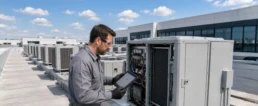
Commercial AC Maintenance in Philadelphia
Your Philadelphia Commercial AC Maintenance Playbook
As summer winds down in Philadelphia, many businesses are left with cooling systems that worked overtime through record heat. This is the ideal moment to step back and evaluate how your air conditioning equipment performed, what issues cropped up, and whether it’s time for proactive service or even an upgrade. Our end-of-summer commercial AC playbook outlines the smartest steps facility managers can take now, from scheduling maintenance and reducing energy waste to planning system replacements at off-season pricing, to ensure reliable comfort and efficiency when next summer’s heat rolls in.
What to do now in Philadelphia
- Book a post‑season AC tune‑up to catch worn belts, dirty coils, weak capacitors, and airflow issues before they become Q2 downtime. Start here: commercial AC services in Philadelphia.
- Stabilize next summer’s OPEX with a commercial HVAC maintenance agreement that locks in proactive inspections and priority response.
- Evaluate replacement candidates if you fought short cycling, rising kWh, or repeat repairs. Off‑season install means better scheduling and fewer operational disruptions.
Commercial HVAC Estimates for Philadelphia Businesses
Schedule your commercial AC maintenance or upgrade today and get $500 OFF a new HVAC system plus a free estimate. Priority scheduling available this fall.
Get My Free EstimateHow Often Should Commercial AC Be Serviced?
Most commercial cooling systems need professional maintenance at least twice a year, spring and fall, with high-use systems like restaurants, server rooms, and retail benefiting from quarterly service. Rooftop units in particular take a beating from sun and weather and should be inspected on a set schedule to avoid mid-season failure.
What a Commercial HVAC Maintenance Plan Covers
A commercial maintenance plan typically includes coil cleaning, refrigerant checks, belt and motor inspection, electrical testing, filter changes, and a full performance report. For multi-unit buildings and rooftop systems, it also covers drainage, economizer function, and controls, keeping your whole system efficient and under warranty.
Why Philadelphia Commercial HVAC Maintenance Matters After Summer
Replace now if these fit your fleet
- Units at or past expected service life and racking up repair tickets
- Inconsistent temperatures across zones or persistent humidity complaints
- Frequent alarms or nuisance trips tied to coils, fans, or controls
Budget friendly or high‑efficiency options are available. Get a free estimate and claim $500 off a new HVAC system while the promo is active: new system special.
Commercial AC Replacement Philadelphia: When It’s Time
Why end of summer is the smart window
- Technician availability improves once peak heat subsides
- Lead times and staging are easier to control before spring demand
- Zero‑surprise commissioning when next summer arrives
Philadelphia Commercial HVAC Maintenance Plans
Keep your business cool and efficient year-round with our commercial AC maintenance services. Regular tune-ups reduce downtime, extend equipment life, and keep warranties valid. Get peace of mind with a customized maintenance plan designed for your facility.
Explore Maintenance PlansOff-Season HVAC Maintenance Benefits
Related services and next steps
- Commercial AC service in Philadelphia for repairs, tune‑ups, and system optimization
- Commercial HVAC maintenance agreements for predictable performance
- Free estimate and $500 off new systems for planned replacements
Ready to de‑risk next summer
Call 215‑366‑1001 or request your free commercial estimate. We will present multiple options that fit your budget and your efficiency targets, then execute on your timeline.
Commercial HVAC end‑of‑summer FAQs
When should Philadelphia businesses schedule end‑of‑summer commercial AC maintenance
Right after peak heat. You catch wear from summer runtime and tune for efficiency before heating season. It also secures install or parts slots ahead of spring.
Is off‑season commercial AC replacement in Philadelphia worth it
Yes if you saw repeat failures, uneven cooling, or rising energy use. Off‑season reduces disruption, improves scheduling, and gives you a clean commissioning runway for next summer.
Do you offer free estimates and high‑efficiency options
Yes. We provide free estimates and offer multiple options from budget‑friendly to high‑efficiency systems with a limited‑time $500 discount on new installs.
Learn more about our commercial HVAC maintenance plans for Philadelphia businesses.
Schedule Your End-of-Summer Commercial AC Maintenance
Don’t wait until next year’s heat wave exposes hidden problems. Our Philadelphia commercial AC maintenance plans keep your system running smoothly, cut energy costs, and prevent costly downtime. Book now to secure your spot before fall scheduling fills up.
Schedule Maintenance NowPost Updated: August 2026

How to Lower Your AC Bill in Willow Grove, PA
Updated: August 2025
How to Lower Your Summer Cooling Costs in Montgomery & Bucks Counties
Energy bills spiking during a heat wave? Use this local guide to cut cooling costs fast—then stack savings with utility rebates and a professional tune-up. Everything here is tailored to Montgomery and Bucks County homeowners.
Local Savings Playbook
- Enroll in PECO rebates – Before replacing equipment or buying a smart thermostat, check current incentives:
- PECO Rebates & Discounts (smart thermostats, ENERGY STAR® HVAC, and more)
- 2025 Central AC & Air-Source Heat Pump form (PDF)
- Check EAP instant rebates – The Electrical Association of Philadelphia runs seasonal, instant HVAC rebates that can be combined with utility savings. See current program window.
- Know your heat resources – During Code Red hot weather alerts, cooling programs open across the counties:
Tip: Save the rebate links before you shop—eligibility details (SEER2/EER2, install dates, forms) matter.
Quick Wins That Work Here
- Thermostat strategy: Program 74–76°F when home, higher when away. A smart thermostat trims waste and keeps comfort steady.
- Block the sun: Close blinds/curtains on south- and west-facing windows; add film or exterior shade where rooms run hot.
- Cut indoor heat gains: Grill outdoors, run dishwashers/dryers in the evening, and switch to LEDs.
- Airflow basics: Change filters routinely and use ceiling fans to circulate cool air.
When to skip DIY: duct leakage testing, refrigerant issues, electrical parts, and coil cleaning. These need a licensed pro.
Faq
Summer Cooling & Local Resources
Got questions about your summer energy bills? You’re not alone. These quick answers cover the most common concerns homeowners have about running their AC efficiently without overspending. Learn how small adjustments can lead to big savings.
Yes—PECO offers rebates for ENERGY STAR® central AC/ASHP and smart thermostats. EAP also runs limited-time instant rebates in our region. Check eligibility and dates before you buy.
Most homes save comfortably around 74–76°F when occupied, a few degrees higher when away. Combine with ceiling fans and window shading to maintain comfort.
During Code Red/Excessive Heat alerts, counties activate cooling locations and publish updates. If someone at home is heat-sensitive, keep those resources handy.
If your system short cycles, can’t hold setpoint, freezes up, or your bill spikes unexpectedly, schedule a professional evaluation. We’ll inspect airflow, refrigerant charge, coils, and controls, and recommend the most cost-effective fix.
Book Your County Tune-Up
A professional tune-up catches small problems before they become expensive breakdowns—and can reduce monthly usage by improving system performance. Choose what fits your needs:
Service Areas in Montgomery & Bucks
We offer air conditioning services in Willow Grove, Abington, Horsham, Warminster, Doylestown, Lansdale, Glenside, Jenkintown, Newtown, Southampton, and nearby neighborhoods. View the full list or see what’s included in our AC tune-up.
Need AC repair in Lower Makefield or installation services in Langhorne? Our team provides fast, expert service to homes throughout Bucks County.
Ready to save? Book your AC tune-up or call 215-366-1001.
Understanding What Drives Your AC Bill Higher
Wondering how to lower your AC bill in Willow Grove? In older homes across Hatboro, Horsham, and Abington, thermostat setpoints, weak attic insulation, high humidity, duct leakage, and overdue filters make systems run longer—and you pay for it. Seal leaky ducts, improve insulation, and use a programmable or smart thermostat to reduce your electric bill in summer Willow Grove without sacrificing comfort. If rooms cool unevenly in Warminster or Willow Grove, have a pro test airflow and ducts.
How Regular AC Maintenance Lowers Utility Costs
Routine AC maintenance Willow Grove is the fastest way to cut waste. Dirty coils, clogged filters, miscalibrated thermostats, or low refrigerant force equipment to draw more power. Our AC tune-up Willow Grove service (also in Hatboro & Abington) cleans coils, checks charge, verifies airflow, and calibrates controls—restoring efficiency, preventing breakdowns, and extending system life. Searching air conditioner maintenance near Willow Grove? Book a visit before peak heat.
More Ways to Save on Your Summer Energy Bill
For durable savings in Willow Grove, Horsham, and Warminster, consider high-efficiency central AC, sealed/insulated ductwork, and energy-efficient air conditioning Willow Grove upgrades. Apartments/additions in Abington benefit from ductless mini-split Willow Grove installs for room-by-room control. Quick wins: raise your setpoint a few degrees, shade west-facing rooms, and unplug idle devices. Pair these with professional duct testing and duct sealing Willow Grove to lower summer cooling costs.
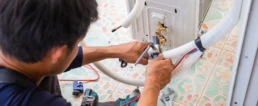
How to Stay Cool When AC Is Broken Before the Repairman Arrives
Tips to Stay Cool While Waiting for an AC Repair Technician
When your AC stops working in the middle of a Philadelphia summer, every minute feels hotter than the last. Knowing how to stay cool when AC is broken can protect your health and keep your home livable while you wait for a certified technician.
This guide covers everything: how to cool your house, cool your body, manage humidity, avoid dangerous mistakes — and when the situation calls for emergency help. These tips are practical, fast, and don’t require any tools.
What to Do When AC Is Broken — First 30 Minutes
Before you call for repairs, run through these quick checks. Sometimes the fix takes two minutes.
Check the thermostat first. Make sure it’s set to “cool,” not “fan only” or “heat.” Set the target temperature at least 5°F below the current room temperature.
Look at your breaker box. A tripped circuit breaker is one of the most common causes of a sudden AC failure. Find the breaker labeled for your AC or air handler and flip it fully off, then back on. If it trips again immediately, stop — that means an electrical fault that needs a professional.
Check (and change) the air filter. A clogged filter blocks airflow so badly that it can cause the system to shut down. If it’s gray and dense, swap it out. Keep a few spare filters on hand each summer.
Look at the outdoor unit. Is it running? Is the coil caked with grass clippings or dirt? Is the fan spinning? If the outdoor unit is completely silent and nothing fixes it, you need a technician.
AC Still Not Cooling? Don't Wait in the Heat.
If basic checks haven't fixed the problem, our team provides fast, professional air conditioning repair across Philadelphia and surrounding counties — including same-day and emergency service when you need it most.
How to Cool Your House When AC Is Broken
Cooling the room matters as much as cooling your body. These methods can drop indoor temps by 5–10°F on a hot day.
Strategic Fan Placement
A single fan pushing hot air around doesn’t help much. Use fans strategically:
- Cross-ventilation: Place one fan facing inward at a window on the shaded side of your house. Open a window on the opposite side to let hot air escape.
- Box fans at night: When outdoor temps drop below indoor temps, face fans outward to exhaust trapped hot air. This is the most effective free cooling method.
- Ceiling fans: Set them to run counterclockwise on high. This creates a wind-chill effect and can make a room feel up to 4°F cooler without changing the actual temperature.
- Exhaust fans: Run bathroom and kitchen exhaust fans continuously to pull out hot, humid air. Humidity makes heat feel worse — removing it helps.
Block the Sun
Up to 30% of a home’s heat gain comes through windows. Closing blinds and curtains is the single fastest way to keep a room cooler.
- Close all south- and west-facing windows and blinds before 10 AM
- Use blackout curtains if you have them — they block far more heat than standard blinds
- Don’t open windows until outdoor temperatures drop below your indoor temperature (usually after sunset)
Reduce Indoor Heat Sources
- Skip the oven — use a microwave, eat cold meals, or get takeout
- Run the dishwasher and dryer only after dark, or not at all
- Switch off incandescent lights; they generate more heat than most people realize
- Unplug electronics you aren’t using — TVs, gaming consoles, and phone chargers generate heat even on standby
The Ice Fan Trick
Place a large bowl or pan of ice water directly in front of a fan. As air blows across the ice, it picks up moisture and drops a few degrees in temperature. It’s not air conditioning, but it creates a noticeable cool zone in front of you — especially useful in a small bedroom.
How to Cool Your Body When AC Is Broken
Cold Water Works Fast
- Take a cool (not ice cold) shower or bath — this quickly lowers your core temperature
- Wet a washcloth and apply it to your neck, wrists, inner elbows, and ankles — these pulse points cool your blood fastest
- Fill a spray bottle with cold water and mist your skin while sitting in front of a fan
- Soak your feet in a bucket of cold water
Stay Hydrated the Right Way
Your body cools itself through sweat, but only if you stay hydrated. Drink water consistently throughout the day, even if you don’t feel thirsty. Avoid alcohol and caffeine — both are diuretics that accelerate dehydration. Cold foods like popsicles, chilled fruit, and ice water help from the inside out.
Wear the Right Clothing
Light, loose-fitting cotton or linen helps sweat evaporate, which is how your body cools itself. Avoid synthetic fabrics like polyester — they trap heat and moisture. Light colors reflect heat; dark colors absorb it.
Use the Lowest Floor
Hot air rises. The basement or ground floor will always be significantly cooler than upper levels. If you can sleep or spend most of the day on a lower level, do it.
Heat Safety — Warning Signs You Shouldn’t Ignore
During a heat wave, a broken AC can become a health emergency. Know the difference between heat exhaustion and heat stroke.
Heat exhaustion signs: heavy sweating, cool and pale skin, fast weak pulse, nausea, muscle cramps, and fatigue.
Heat stroke (call 911 immediately): body temperature above 103°F, hot dry skin with no sweating, rapid strong pulse, confusion, or unconsciousness. Apply cool wet cloths to the skin while waiting for help.
Elderly adults, infants, people with heart conditions, and anyone on certain medications are at high risk. If any of these people are in your home during an extended outage, take them to an air-conditioned public space — a library, mall, or neighbor’s home — and don’t wait.
What to Do If Your Ductless Mini Split Is Broken
If you rely on a ductless mini split system and it has stopped cooling, the troubleshooting steps differ slightly from central AC.
Check the remote settings first. Mini splits are easy to accidentally set to “heat” or “fan only.” Make sure you’re in cooling mode and the target temperature is set correctly.
Look for a blinking error code. Most mini split units display error codes on the indoor unit’s panel. Search the brand name plus the error code to understand what it means.
Reset the unit. Turn it off at the wall breaker, wait 30 seconds, and restore power. This clears minor electrical faults.
Check for ice buildup. If the indoor unit is iced over, turn it off and run fan-only mode for 30–60 minutes to thaw it. Ice usually means low refrigerant or a clogged filter — both require a professional.
Mini split repairs require a certified technician. Refrigerant handling requires EPA certification, and electrical diagnosis is not a DIY task. If a reset and filter check don’t resolve it, call for mini split repair rather than guessing.
Common Signs Your AC Needs Repair (Even Before It Fully Breaks)
Sometimes an AC doesn’t stop completely — it just works poorly. These are the signs a repair call is warranted before you’re stuck in the heat:
- Warm air from vents: The blower runs but no cooling happens. Could be low refrigerant, a failed capacitor, or a compressor fault.
- Weak airflow: You can barely feel air at the vents. Often a clogged filter, blocked duct, or failing blower motor.
- Short cycling: The system starts, runs for a minute or two, then shuts off repeatedly. Causes include low refrigerant, an oversized unit, or a faulty thermostat.
- Unusual noises: Banging, rattling, screeching, or clicking are never normal.
- High indoor humidity: A properly functioning AC removes moisture. If it feels muggy even when the AC runs, the system isn’t working efficiently.
- Ice on the unit: Don’t run a frozen unit — it can damage the compressor. Turn it off and call a technician.
- Higher electric bills: If your bill jumps without a change in usage, your system is working harder than it should.
If any of these sound familiar, schedule an AC tune-up or request a repair inspection before the system fails entirely.
FAQ — How to Stay Cool When AC Is Broken
Use fans to create cross-ventilation — intake on the shaded side of the house, exhaust on the hot side. Close all blinds and curtains before 10 AM. Turn off heat-generating appliances like ovens and dryers. Run exhaust fans to remove hot, humid air. At night, open windows once outdoor temperatures drop below your indoor temperature.
Check your thermostat settings, your circuit breaker for a tripped switch, and your air filter for clogs. These three checks resolve a surprising number of service calls without a technician. If nothing helps, call a licensed HVAC contractor and use the cooling tips above while you wait.
Cool your body directly with cold compresses and a cool shower. Move to the lowest floor of your home. Block sunlight with blinds. Use fans for cross-ventilation. Stay hydrated with water. Avoid cooking with the oven. If you have elderly family members or young children, consider taking them to an air-conditioned public space until the repair is done.
Place a fan near your bed with a bowl of ice water in front of it. Wear lightweight cotton. Sleep with a thin sheet rather than heavy blankets. Apply a damp cool washcloth to your forehead and neck. Sleep on the lowest floor of your home, which stays naturally cooler than upper levels.
Yes — when used correctly. Fans move air across your skin, which accelerates sweat evaporation and makes you feel cooler. Positioned to create cross-ventilation (drawing in cool air, exhausting hot air), fans can lower the effective temperature you feel by several degrees even without changing the room temperature.
Start with the remote: confirm it’s set to cooling mode, not heat or fan-only, and the temperature is set below the room temperature. Look at the indoor unit for a blinking error code and search the brand plus that code online. Reset the unit by switching it off at the breaker for 30 seconds. Check the filter for dust buildup, and look for ice on the indoor coil — if you see ice, run fan-only mode to thaw it. If none of these resolves the issue, call for professional mini split repair. Refrigerant and electrical work require licensed, certified technicians.
Yes, in most cases. Air conditioners contain refrigerant under high pressure, which requires EPA Section 608 certification to handle legally. The capacitors inside an AC unit can hold a dangerous electrical charge even after the power is off. DIY repairs also typically void your manufacturer’s warranty. Filter changes, thermostat checks, and breaker resets are safe to do yourself. Anything beyond that — refrigerant, electrical components, or the compressor — should be left to a licensed HVAC technician.
Don’t Wait — Get Your AC Fixed Before the Next Heat Wave
The cooling tips above will help you survive a hot day, but they’re not a substitute for working air conditioning. The longer a broken system sits, the more likely small problems become expensive ones — a failing capacitor turns into a burned-out compressor, a small refrigerant leak turns into a full system replacement. EMCO Tech Heating & Cooling has been serving Philadelphia, Montgomery, Bucks, Chester, and Delaware counties for decades with NATE-certified technicians and emergency HVAC service across the areas we serve.

How to Lower Your AC Bill This Summer: Practical Energy-Saving Tips
Lower Your AC Bill: Smart Ways to Stay Cool and Save Money
If your summer electric bill keeps climbing, there are practical ways to reduce energy use for cooling without replacing your air conditioner. Smart thermostat settings, air sealing, better insulation, cleaner airflow, and routine AC maintenance can all help lower your AC bill and keep your home comfortable through the hottest months. This guide covers the highest-impact changes Philadelphia-area homeowners can make this season.
Wondering why your AC is so expensive to run in the first place? See our companion guide: Why Running Your AC Costs So Much.
Can AC Maintenance Lower My Power Bill?
Yes — routine AC maintenance is one of the most practical ways to reduce AC energy consumption. A professional tune-up cleans coils, checks refrigerant performance, verifies airflow, and catches small problems before they raise your cooling costs. If you’ve been searching for affordable AC maintenance near me, seasonal service usually pays for itself in lower summer bills.
How to Keep Your AC Bill Low With Better Thermostat Settings
One of the easiest ways to lower your AC bill is to stop overcooling the house. Small thermostat adjustments can reduce run time, especially when paired with ceiling fans and a consistent daily schedule. A programmable or smart thermostat can also help avoid cooling an empty house, which is one of the simplest ways to save on air conditioning without sacrificing comfort.
Set your thermostat around 75–78°F when home, and slightly higher when away. Even a modest increase can help reduce energy demand and improve air conditioner efficiency over the course of the summer.
A consistent setpoint and a smart schedule are two of the most practical ways to reduce energy use for cooling on hot days.
Practical Ways to Reduce Energy Use for Cooling
The most practical ways to reduce energy use for cooling are the ones you can do this week — no equipment replacement required. Focus on the changes that cut runtime, lower heat gain, and improve airflow:
- Set your thermostat to 75–78°F when home and 4–7°F higher when away.
- Run ceiling fans in occupied rooms to feel 3–4°F cooler at the same setpoint.
- Close blinds, curtains, or blackout shades on south- and west-facing windows during peak sun hours.
- Replace the air filter every 1–3 months during cooling season.
- Seal gaps around doors, windows, attic hatches, and duct connections.
- Cook outside, use an air fryer, or prep no-cook meals on the hottest days.
- Run dishwashers, dryers, and ovens in the evening when outdoor temperatures drop.
- Switch incandescent bulbs to LEDs to cut indoor heat gain.
- Schedule an annual AC tune-up before peak summer heat.
Stacked together, these practical cooling habits can noticeably reduce your AC’s runtime and lower your summer electric bill.
Reduce Your AC Bill With Better Insulation and Air Sealing
If your attic is under-insulated or your ductwork leaks, your air conditioner is paying the price every hour it runs. Heat pours into the living space from above, and cooled air escapes before it reaches your bedrooms. Sealing duct connections, adding attic insulation, and closing air gaps around doors, windows, and attic penetrations are some of the highest-ROI ways to reduce your AC bill without touching the equipment.
Older homes across the Philadelphia area are especially prone to attic heat gain and leaky returns. If certain rooms never cool properly, ask a technician to test duct leakage and verify airflow before you spend money on a bigger system.
Energy-Saving Habits That Help Keep Your AC Bill Low in Summer
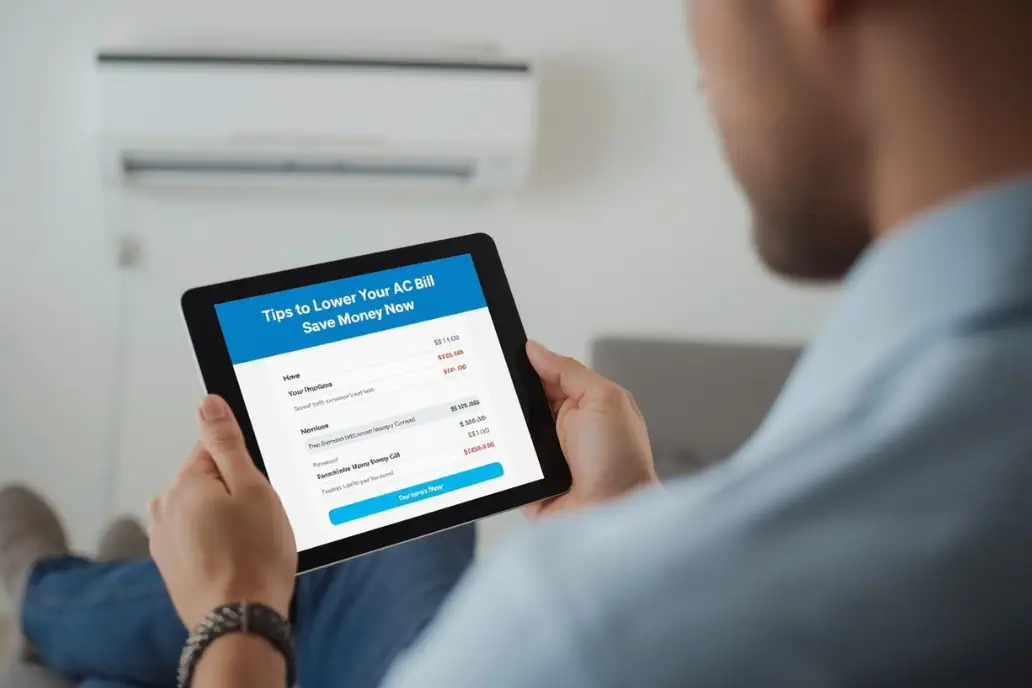 Homeowners can also lower cooling costs with a few basic daily habits. Take advantage of cooler nighttime air when conditions allow, use fans to improve circulation, and avoid adding extra heat indoors by running the oven during the hottest part of the day. Small adjustments like grilling outside, using an air fryer, or preparing no-cook meals can help keep the kitchen cooler and reduce the workload on your AC.
Small daily habits — running heat-producing appliances at night, grilling outside, and using fans to extend your comfort range — are some of the easiest ways to keep your AC bill low during a heat wave.
If your system is 12+ years old and these habits still aren’t enough, see Why Running Your AC Costs So Much to decide whether repair or replacement makes more sense.
Speak to EMCO Tech for Personalized Energy-Saving Advice
Whether you are dealing with high summer bills or trying to improve air conditioner efficiency before the hottest weather arrives, EMCO Tech Heating & Cooling can help. We provide professional air conditioner maintenance, system evaluations, and energy-saving recommendations for homeowners throughout the Greater Philadelphia area.
🔧 Schedule an AC tune-up or home energy consultation today.
Want Lower AC Bills and Better Cooling Performance?
If your system is running too long, cooling unevenly, or driving up your summer electric bill, EMCO Tech can help. Our air conditioner maintenance services help improve efficiency, reduce wear, and keep your cooling system working at its best.
FAQ About Lowering Your AC Bill This Summer
The fastest ways to lower your AC bill are setting the thermostat 4–7°F higher when away, sealing air leaks, replacing dirty filters, closing blinds on sun-facing windows, and scheduling a professional AC tune-up before peak heat.
Practical ways to reduce energy use for cooling include using a smart thermostat, running ceiling fans, improving attic insulation, sealing duct leaks, switching to LEDs, and shifting heat-producing chores like cooking and laundry to cooler hours.
During a heat wave, hold a steady setpoint instead of dropping the thermostat dramatically, pre-cool the home in the early morning, close west-facing blinds before noon, and avoid running the oven or dryer in the afternoon.
Adding attic insulation and sealing duct leaks can meaningfully reduce cooling energy use by cutting heat gain and stopping cooled air from escaping. Exact savings depend on your home’s age, duct condition, and existing insulation levels.
Yes — routine AC maintenance is one of the most reliable ways to reduce AC energy consumption. A professional tune-up cleans coils, verifies refrigerant charge, and catches small problems before they raise your cooling costs.
Setting your thermostat to 75–78°F when home and a few degrees higher when away is generally the most practical balance between comfort and reduced cooling costs.
If your AC is 12+ years old, needs frequent repairs, or can’t keep up on hot days, it may be time to replace it. For a deeper diagnosis, see Why Running Your AC Costs So Much.
Post Updated: May 18, 2026
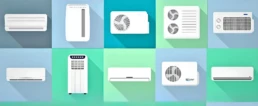
Types of Residential Air Conditioning Systems in Philadelphia
4 Types of Residential Air Conditioning Systems for Philadelphia Homes
When the summer heat hits Philadelphia, homeowners and their families often struggle to stay comfortable without having an efficient air conditioning system. These HVAC systems play a crucial role in keeping your family safe and cozy. To help you find the perfect cooling solution for your home, here are four different types of residential air conditioning units available today.
Central Air Conditioning Systems
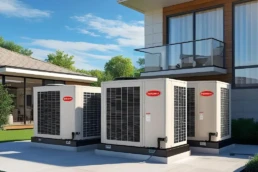
Central air is the most common whole-home cooling choice, and it comes in two forms: split systems, which pair an outdoor condenser with an indoor coil and air handler, and packaged systems, which house everything in one outdoor cabinet for homes short on indoor space. Split systems suit most Philadelphia homes with existing ductwork; packaged units fit ranch homes, manufactured homes, and tighter footprints. For a full split-versus-packaged breakdown and buying advice, see our guide to the best types of central air conditioners.
Comparing Central Air Conditioning System Types?
Not all central air conditioning systems are built the same. Some homes use traditional split-system units, while others rely on packaged systems or high-efficiency configurations. Our detailed guide explains how each type works and what homeowners in the Philadelphia area should consider before installing or upgrading a system.
Main Types of Residential Air Conditioning Systems
- Central air conditioning systems (split-system or packaged)
- Heat pump heating and cooling systems
- Ductless mini-split air conditioning systems
- Room air conditioners (window or portable units)
Heat Pump HVAC Systems
The heat pump system can be described as a modified version of the split system – it functions very similarly to a standard central AC. In the summer, a heat pump drives out hot air from inside and replaces it with cooled air (just like a regular AC). In winter, it reverses operation to absorb heat from outside and bring it indoors, providing warmth. However, it’s important to note that traditional heat pumps may struggle in areas with prolonged sub-freezing temperatures, as extremely cold air limits their heating ability. To overcome this limitation in colder climates, manufacturers equip heat pump air handlers with auxiliary electric heating elements. These backup heaters are generally triggered when outdoor temperatures drop below freezing, ensuring your home stays warm even in the coldest weather.
Some manufacturers also offer specialized heat pumps that tap into ground-source energy. These geothermal heat pump systems use the stable underground temperatures to exchange heat. Geothermal systems can be advantageous for efficiency and long-term energy savings, but they come with an added upfront cost of roughly 40% more than standard heating systems. They might be worth considering for homeowners seeking a green solution and planning to stay long-term in their homes.
Ductless Mini Split Systems
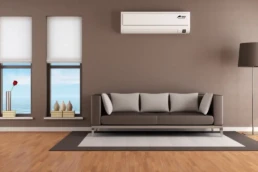
For homes that do not contain ductwork, the ductless mini-split system is often the best fit. These systems offer a convenient and efficient solution for cooling individual rooms or zones in your home. Like split systems, ductless mini-splits consist of an outdoor compressor/condenser unit along with one or more compact indoor air-handling units. The refrigerant circulates between the indoor and outdoor components through insulated tubing, allowing for the transfer of heat out of the home and cool air in.
One of the greatest benefits of the ductless mini-split system is its flexibility and ease of installation. Unlike traditional central air conditioning systems that require extensive ductwork, a ductless mini-split can be installed with minimal disruption to your home. This means no need for major modifications to walls or ceilings, making it a popular choice for older homes or buildings with limited space for ducts.
Another advantage of the ductless mini-split system is its ability to provide individualized comfort control. Each indoor unit can be independently controlled, allowing you to set different temperatures for each zone or room in your home. This level of zoning control not only enhances comfort but also helps optimize energy efficiency by cooling only the areas that are in use. Family members can customize their room temperatures to their liking without fighting over one central thermostat.
Mini-splits in Philadelphia
In many Philadelphia homes – especially in South Philadelphia, where houses are often older and may not have existing ductwork – the ductless mini-split system is a preferred choice. It offers a cost-effective and efficient solution for cooling individual rooms or additions without the need for extensive renovations. In fact, a lot of rowhomes and historic houses in the city have turned to mini-splits as an easy retrofit for modern AC. The zip codes in South Philadelphia where ductless units work perfectly include 19112, 19145, 19146, 19147, and 19148, among others. If you live in a home without ducts, consider the benefits of a ductless mini-split system. Its flexibility and individualized comfort control make it an excellent choice for keeping your home cool during Philly’s hot and humid months.
When choosing the right AC system for your Philadelphia home, always prioritize quality, durability, energy efficiency, and potential energy savings. While the upfront investment is an important factor, taking into account long-term benefits, operating costs, and future repair costs is crucial to making the best decision for your household.
Residential AC Systems in Philadelphia – We’re Here to Help!
EMCO Tech heating and cooling offers complimentary in-house consultations to help you determine the ideal cooling solution. Contact us 2153661001 to schedule an appointment, or book your next service call online for any residential air conditioning system service in the Philadelphia area. We invite you to search for EMCO Tech online and read our customer reviews and see why we’re trusted in the community.
Ensure a comfortable home environment during Philadelphia’s summers by choosing the right air conditioning system for your needs.
Room Air Conditioners for Single Rooms (Window and Portable AC Units)
Beyond the four major system types above, there are also unitary air conditioners designed to cool just one room or small area. The most common are window AC units and portable AC units, which are often used in apartments or older homes without whole-house systems.
Window Air Conditioners
A window air conditioner is a self-contained unit that fits into a window opening or a dedicated wall slot. It includes all the necessary refrigeration components—such as the compressor, coils, and fans—within one compact box. The exterior portion of the unit expels heat outside, while the interior side blows cooled air into the room. Window air conditioners (ACs) come in various sizes, capable of cooling spaces from a small room to an entire floor, depending on their BTU capacity. They are an economical choice and are often easy to install on your own, making them one of the simplest and most affordable cooling solutions available. However, because the compressor is located inside the unit, window ACs tend to be noisier than split systems or central air conditioning; you may notice vibrations and fan sounds within the room. Additionally, they obstruct part of the window and may not fit irregularly sized windows. Despite these drawbacks, window units are very common in Philadelphia rowhomes and city apartments, providing cost-effective relief from the summer heat.
Through-the-wall Air Conditioners
Through-the-wall air conditioners and heat pumps are designed for installation directly into a wall, offering a compact, self-contained solution for cooling and heating. These units include all necessary refrigeration components and can efficiently manage temperatures in various room sizes.
Unlike window units, through-the-wall systems do not obstruct views and tend to be quieter since the compressor is outside. Heat pumps also provide the benefit of both heating and cooling, making them a versatile year-round option. Though installation may require exterior modifications, their sleek design and dual functionality make them a popular choice in urban living spaces.
Portable Air Conditioners
A portable AC is a movable floor unit that cools room air and exhausts heat through a hose to a window or vent. It’s ideal for situations where window installation isn’t feasible, offering flexibility and easy mobility with casters. However, it often requires manual water drainage and can be noisy while being less efficient than central systems. Portable ACs are suitable for temporary cooling in small to mid-sized rooms and are typically more affordable than central air systems. They provide immediate cooling solutions for renters or those needing to cool a single room, while homeowners seeking long-term efficiency may prefer ducted or ductless systems.
Summary of Portable AC, Through-the-wall Heat Pumps, and Window Units
In summary, window and portable AC units are great single-room solutions. They don’t require professional installation and are budget-friendly, but they primarily address immediate cooling needs rather than whole-house comfort. If you’re a renter or just need to cool one space (like a bedroom or home office), these room AC options can be a lifesaver during heat waves. For homeowners looking for long-term, energy-efficient, and quieter solutions to cool an entire house, investing in a ducted central system or a ductless mini-split system would be more suitable.
Comparing AC System Types: Costs and Efficiency
When evaluating different types of air conditioning systems, it’s important to consider both the initial cost of the equipment and installation and the operating costs/efficiency over time. Here’s a quick comparison:
Window & Portable Units
Upfront Cost: These units have the lowest upfront cost. A small window AC can cost as low as ~$150, while larger window units or portables for big rooms may run up to $500–$800. Installation cost is minimal (often a DIY job), maybe involving a simple mounting kit. This makes them attractive for those on a tight budget or in temporary living situations. However, keep in mind that using multiple window units in a home can be less efficient than a centralized solution.
Central Air Conditioning System
Central Split-System AC – Upfront Cost: Installing central air conditioning involves a higher initial investment due to the need for both the AC unit and ductwork. In the Philadelphia region, the cost of installing a new central AC system for an average single-family home typically falls between $6,000 and $9,000, depending on the size of the house and the efficiency of the system. If new ductwork is required or if you choose a premium high-SEER unit, expenses can exceed $12000. However, central air conditioning significantly enhances a home’s value and comfort by providing consistent cooling across all rooms through duct systems. Investing in central AC is a worthwhile decision for improved indoor climate.
Ductless Mini-Split Systems: Understanding Initial Investment
Ductless Mini-Split – Upfront Cost: The cost of a ductless mini-split heating and cooling system can vary significantly depending on the number of indoor “zones” required. For a single-zone system, which includes one indoor unit and one outdoor unit, installation can exceed $3,000. In contrast, multi-zone systems designed for several rooms can range from $5,000 to $15,000 or more, encompassing both equipment and installation costs. Generally, homeowners should budget a few thousand dollars for each zone, as this includes the indoor air handler and a portion of the outdoor unit’s cost.
While the initial investment may be comparable to or slightly higher than traditional central air conditioning systems, ductless mini-splits offer enhanced energy efficiency and eliminate the need for ductwork installation in older homes, making them a smart choice for many.
Energy Efficiency & Operating Costs
Modern central AC and ductless systems are far more efficient than older units or window units. Efficiency is measured by SEER (Seasonal Energy Efficiency Ratio) – the higher the SEER, the less electricity the system uses for the same cooling output. Ductless mini-splits tend to have very high SEER ratings (20+ for many units) and avoid the energy losses associated with ductwork, so they can provide lower monthly cooling costs. High-efficiency central AC systems (especially new inverter-driven compressors or two-stage units) also offer excellent efficiency and better humidity control, at a premium price point. Window ACs and portables, while cheaper to buy, usually have lower efficiency (and you might need multiple units). They can also strain your electric bill if running many hours a day, since each unit cools a limited area. For example, running a single 8,000 BTU window AC in one room might be affordable, but trying to cool a whole house with 4–5 window units will use a lot of power. When it comes to noise and aesthetics, central and ductless systems win hands-down – the loud compressors are outside or in the basement, not right in your living space as with a window or portable unit.
Maintenance & Longevity
Central and mini-split systems require periodic professional maintenance (tune-ups, filter changes, checking refrigerant levels) to run efficiently. They generally last 15–20 years if well maintained. Window and portable units may last around 8–10 years, but they might need more frequent cleaning (filters, coils) due to being exposed to the elements and indoor dust. They’re also more prone to leaking water if not installed properly. On the flip side, if a window unit fails, it’s relatively cheap to replace compared to a failed central AC compressor. Homeowners should factor in these maintenance and lifespan considerations. If you plan to stay in your home long-term, investing in a quality central or ductless system will pay off in comfort and reliability.
Choosing a System for Your Home?
If a whole-home system is the right fit, our team installs and replaces it. Explore central air conditioning for your home, or compare options with our AC buying guide.
How to Choose the Right Air Conditioning System for Your Home
Choosing the perfect AC system for your needs involves balancing your home’s characteristics with your budget and priorities. Here are a few key considerations to help guide your decision:
Home Size and Layout
The size of your home (and whether it’s open-plan or has many separated rooms) will influence the best cooling solution. For a small apartment or a single-story bungalow, a couple of well-placed window units or a ductless unit might suffice. For a larger multi-story house, a central AC system or a combination of central plus supplemental ductless units might be more effective at delivering even cooling. In general, central AC is great for cooling an entire house uniformly, whereas ductless shines in targeted zone cooling or additions. If you only need AC in certain areas (e.g. bedrooms at night), ductless allows selective usage which can save energy.
Existing Infrastructure (Ductwork or Not)
Does your home already have furnace ducts installed (for heating)? If yes, adding a central AC (split system) can be straightforward, utilizing that duct network to distribute cool air. Many Philadelphia homes, especially newer or renovated ones, have central heating ducts that can double for AC. However, if your home is older without ducts (common in historic Philly rowhomes and some suburbs), installing new ductwork can be invasive and costly. In such cases, opting for ductless mini-splits is often the better route to add AC without a major remodel. Ductless systems require only a small hole for refrigerant lines, making them ideal for retrofitting cooling into older homes with radiant heat or those beautiful 1920s houses in areas like Chestnut Hill or Jenkintown that never had central air.
Climate and Usage
Philadelphia’s climate has hot, humid summers and can get quite cold in winter. If you want a system that provides both cooling and heating, a heat pump or ductless heat pump system could be attractive – they can serve as your air conditioner in summer and supplemental heater in spring/fall or even winter. However, remember that air-source heat pumps lose efficiency in sub-freezing weather, so you’d need a backup heat source (which most Philly homes have, like a furnace or boiler). If your summers are the main concern, any good AC (central or ductless) with the appropriate capacity will do the job; just ensure it’s sized correctly. Oversized ACs can short-cycle and not dehumidify well, while undersized units will struggle to cool on the hottest days.
Budget Constraints
Upfront budget plays a big role. If you need an immediate cooling solution and funds are limited, a window AC in the bedroom might be the quickest fix. For homeowners with a moderate budget, a ductless mini-split installation can start with one zone and expand later as budget allows (you could cool the main living area this year, and plan for additional zones in the future). If you have a larger budget or are already doing renovations, installing a full central AC system or high-end multi-zone mini-split system will maximize comfort and add value to the home. Always consider long-term operating costs too – a slightly more expensive high-efficiency unit can save money over time on utility bills, which matters if you plan to live there for many years.
Efficiency and Technology Preferences
Some people are very conscious of energy usage or want the latest smart home tech. If that’s you, look into systems with high SEER ratings, smart thermostats or Wi-Fi controls (many ductless systems come with smartphone apps for control), and features like variable-speed compressors. These features can improve comfort (by keeping more stable temperatures) and save energy. For example, an inverter-driven ductless unit will modulate its output and often dehumidify better, maintaining a steady cool temperature without big swings. On the other hand, if you just want basic, no-frills cooling, a standard central AC or even a couple of window units with simple dial controls can do the trick without complicated technology. There’s no one-size-fits-all answer – it’s about what benefits you value most (whether it’s cost, efficiency, quiet operation, or flexibility).
EMCO Tech Heating & Cooling Serving Eastern PA
By weighing these factors – and perhaps consulting with HVAC professionals – you can choose an air conditioner that keeps your home comfortable and aligns with your lifestyle. Remember that the “best” AC system is one that fits your home’s needs and your personal priorities. For instance, a young professional in a downtown Philly condo might prioritize low upfront cost and go with a portable or window unit, while a family in a sprawling suburban house in Willow Grove might invest in a robust central air system with smart zoning to cover the whole home. Consider not only the immediate fix for cooling, but also the long-term satisfaction, especially as energy prices fluctuate and technology advances.
Tailored Cooling Solutions Across Philadelphia & Surrounding Areas
As a trusted HVAC company based in Greater Philadelphia, EMCO Tech understands that each neighborhood has distinct cooling needs. In Center City and South Philadelphia, historic townhomes often lack ductwork, making ductless mini-split systems the go-to solution for efficient comfort without compromising architecture. In contrast, larger homes in areas like Willow Grove (19090), Gladwyne (19035), and Doylestown (18901) typically benefit from central air conditioning or hybrid split systems designed for multi-story layouts and high square footage. Upscale communities like Bryn Mawr, Bala Cynwyd, and New Hope (18938) frequently opt for high-efficiency multi-zone ductless systems, combining whisper-quiet operation, zoned comfort, and modern aesthetics. Whether you live in a compact city rowhome or a luxury estate, the ideal system depends on both your home’s layout and your lifestyle.
Local Climate, Humidity & Energy Incentives: Why It Matters
Philadelphia summers are more than just hot — they’re intensely humid. That’s why we recommend AC systems that deliver both cooling and dehumidification. A properly sized central or ductless system doesn’t just lower the temperature — it helps control indoor moisture, keeping your home comfortable and your air quality healthy. In July and August, when that muggy air hits, a reliable AC with built-in humidity control becomes more than a luxury — it’s essential. On top of that, homeowners throughout Montgomery, Bucks, and Delaware Counties can take advantage of local rebates from PECO or federal tax credits when installing Energy Star-certified HVAC systems. While high-efficiency systems cost more up front, they deliver lower operating costs year-round and can pay for themselves with both comfort and savings.
Why Local HVAC Expertise Makes All the Difference (And How to Get Started)
Not all homes are built the same — and your HVAC system shouldn’t be either. EMCO Tech has nearly two decades of experience helping homeowners across Philadelphia, Willow Grove, Bala Cynwyd, Doylestown, Bryn Mawr, and beyond choose cooling systems tailored to their home’s age, structure, and budget. We’ve installed ductless systems in brick townhouses, central air in renovated colonials, and rooftop packaged units in commercial buildings. We know the zoning laws, rebate programs, and energy codes in your area — and we know what works. Whether you’re comparing the 4 main types of air conditioning systems, weighing AC types and prices, or upgrading an older unit, we’re here to help you stay cool — and make the right investment.
Ready to Upgrade Your Comfort?
Don’t settle for one-size-fits-all advice. EMCO Tech Heating & Cooling offers personalized HVAC consultations for homeowners across Philadelphia, Willow Grove, and the surrounding counties. We’ll assess your home, recommend the most efficient and affordable cooling solution, and guide you through available rebates and installation options. Call us today at 215-366-1001 or schedule online for fast, local help.
EMCO Tech — smart cooling solutions for every zip code, every home, every budget.
Frequently Asked Questions
❓ What are the 4 main types of residential AC systems?
The four main residential AC types are central (split systems), ductless mini-splits, heat pumps, and packaged units. Each has its own installation method, efficiency level, and ideal use cases.
❓ Which AC system is best for homes in Philadelphia?
In Philadelphia, homes with existing ducts often use central AC. Older rowhomes may benefit more from ductless mini-splits, which require no ductwork and offer zone cooling.
❓ How much does it cost to install central air conditioning?
Central AC installation in the Philadelphia area typically ranges from $5,000–$10,000 depending on home size, ductwork condition, and SEER rating of the unit.
❓ Are ductless mini-split systems energy efficient?
Yes. Ductless mini-splits are highly efficient, especially for homes without ductwork. They offer individual room control and high SEER ratings, which can reduce energy bills.
❓ Do you install room AC units like window or portable air conditioners?
No, EMCO Tech does not service or install small window or portable AC units. These are usually more cost-effective to replace than to repair.
AC Related Posts & Pages
Central Air Conditioning Ductwork Issues: Signs and Fixes
Central AC Issues Due to Poor Ductwork
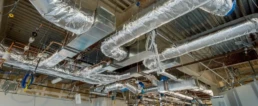
Experiencing central air conditioning ductwork issues can turn even the most reliable HVAC system into a source of discomfort, skyrocketing energy bills, and poor indoor air quality. Whether your ducts are old and leaky, clogged with dust, or improperly insulated, the result is the same: inconsistent cooling, uneven temperatures, and airborne irritants getting circulated through your home.
Central Air Conditioning Ductwork Issues and Their Impact on Comfort
How Air Duct Problems Disrupt Your HVAC System
When ducts are leaky, clogged, or poorly sealed, your entire HVAC system suffers. These central air conditioning ductwork issues spread dust, cause uneven cooling, and strain your air conditioner. Professional ductwork repair services can quickly restore efficiency and air quality.
Poor Indoor Air Quality
Damaged or unsealed ducts pull in dust, debris, and allergens, distributing them throughout your home. This leads to respiratory irritation, dirty vent covers, and sometimes mold growth. Routine air duct cleaning keeps contaminants from circulating in your living spaces.
Inconsistent Airflow and Uneven Temperatures
Hot and cold spots are classic signs of duct leaks or blockages. Poorly sealed ductwork prevents even distribution of cooled air, making some rooms uncomfortable while others feel fine.
Higher Energy Bills
Leaky ducts waste cooled air and force your HVAC system to run longer. These air duct problems can raise monthly utility bills and cause premature wear on your central AC or furnace.
Excessive Noise from Ductwork
Banging, popping, or whistling noises come from air moving through loose, damaged, or aging ducts. These sounds are a clear signal that it’s time to inspect for cracks and gaps.
Clogged Ductwork and Dirty Filters
Dirt and debris inside the duct system restrict airflow. Combined with clogged filters, these blockages make your central air conditioning system less effective and harder to maintain.
Odors and Pests in Ducts
Moldy odors, stale smells, or evidence of rodents indicate damaged ductwork. Fixing these issues with ductwork repair and sealing can stop odors at the source.
Aging or Poorly Designed Duct Systems
Older duct systems can be undersized or poorly designed, leading to airflow problems. In some cases, professional duct replacement is the best way to eliminate central air conditioning ductwork issues and improve your home’s comfort.
Frequently Asked Questions About Ductwork
What’s the average cost to replace ductwork?
The cost of replacing ducts depends on house size and design. In the Philadelphia area, duct replacement typically runs from $5,000 to $12,000, depending on accessibility and complexity.
Do air ducts affect air conditioning?
Absolutely. Poorly sealed ductwork and clogs reduce AC efficiency, lower indoor comfort, and drive up energy costs.
How expensive is it to replace ductwork?
Price varies by the size of your home, duct layout, and the need for modern upgrades. A professional inspection gives an accurate estimate for duct replacement or repair.
How do I tell if my ductwork is bad?
Signs include uneven heating and cooling, noisy ductwork, higher energy bills, visible dust around vents, and persistent odors.
What are the symptoms of dirty air ducts?
Symptoms include visible dust buildup, musty smells, frequent allergy flare-ups, dirty filters, and poor airflow from vents.
Improve Air Conditioning System Efficiency and Indoor Air Quality
If you notice uneven temperatures, increased dust, or rising bills, your ducts may be the problem. EMCO Tech Heating & Cooling offers expert ductwork repair, duct cleaning, and replacement to fix poorly sealed ductwork and keep your central air conditioning running at peak performance. Contact our offices for air duct inspection, repair, cleaning, and replacement throughout Philadelphia, Bucks, Montgomery, Chester, and Delaware counties.
Originally Published on: Jul 31, 2020

Stop Wasting Energy! HVAC Vacation Prep for Peace of Mind
Planning that sunny summer beach trip or a cozy winter ski retreat? Fantastic – but don’t forget to prep your home’s HVAC system before you jet off. Whether it’s scorching heat outside or frosty chills, a few smart tweaks can prevent sky-high energy bills and ensure a comfortable return. From adjusting your thermostat to unplugging vampires, these energy-saving strategies keep your wallet happy and your home secure, no matter the season. Save enough for that extra gelato or hot cocoa – who says vacations can’t pay for themselves?
Slash Your Bills While You're Away! HVAC Vacation Prep Tips for Summer Getaways and Winter Escapes
1. Use Timers Instead of Leaving Lights On
Fun Fact: A lone 60-watt bulb burning nonstop for two weeks could cost over $3 – enough for a decent cup of joe, or three if you’re into the cheap stuff.
Ditch the all-night glow and opt for programmable timers or smart plugs that mimic occupancy by turning lights on at dusk and off at dawn. This not only deters burglars but slashes electricity waste. For summer evenings, pair it with LED bulbs for cooler operation; in winter, use warmer tones to simulate cozy home vibes. A timeless energy-saving vacation tip for homeowners preparing for summer trips or winter holidays.
2. Adjust Your Thermostat or Switch to Vacation Mode on Smart Devices
Blasting AC in an empty house during summer? That’s like chilling a ghost town. In winter, overheating vacant rooms is equally wasteful. For summer vacations, bump your thermostat to 85°F (or higher if no pets or plants); for winter getaways, drop it to 55°F to prevent pipes from freezing without overworking your heater.
Upgrade to a smart thermostat for seamless control – many models feature geofencing that auto-adjusts when you leave, or app-based vacation modes that monitor humidity and temps remotely. Modern twists include integration with voice assistants like Alexa or Google Home for hands-free tweaks. Curious about the latest? Check our smart thermostat solutions for affordable upgrades that could save you hundreds annually. It’s tech-savvy savings at its finest.
3. Unplug Unused Electronics to Combat Phantom Power
Even “off,” gadgets like TVs, chargers, and gaming consoles sip energy like uninvited guests at a party. This phantom load adds up fast – unplug them or use smart power strips that cut power automatically.
In summer, focus on unplugging fans or dehumidifiers; in winter, target space heaters or holiday lights left lingering. Pro tip: Surge protectors add an extra layer against storms, which don’t care if you’re away. This simple habit not only trims bills but protects your tech, making it a must for HVAC vacation prep during winter escapes or summer adventures.
4. Dial Down Your Water Heater for Seasonal Savings
Why heat water no one’s using? Switch your water heater to vacation or low mode – aim for 120°F to avoid scalding risks upon return.
For summer, insulate exposed pipes to retain heat; in winter, this prevents freezing bursts. If you have a pool heater, cover it tightly to minimize evaporation loss in warm months or frost damage in cold ones. Modern eco-upgrades like tankless systems or solar-assisted heaters can amplify savings – contact us to explore options that fit your home’s needs.
5. Optimize Your Fridge Settings or Empty It Out
Short trip? Nudge the fridge temp up a notch (still food-safe at 40°F) to ease energy use. For longer absences over two weeks, empty it, unplug, and prop the door open to dodge mold and that infamous post-vacation stench.
Seasonal spin: In summer, ensure seals are tight to block humid air; winter calls for checking freezer efficiency against dry cold. Integrate smart fridge alerts via apps for remote monitoring – because who wants spoiled milk ruining your homecoming glow?
6. Remember, Your HVAC System Is the Biggest Energy Hog – Tune It Up
Your AC dominates summer bills, while heaters rule winter costs – both can guzzle power if inefficient. Before leaving, swap dirty filters, clear vents, and inspect for leaks. In summer, ensure outdoor units are shaded; winter demands checking for snow buildup on heat pumps.
Modern content alert: Embrace IoT-enabled HVAC with AI algorithms that learn your habits and optimize remotely via apps. Schedule a professional Schedule an AC tune-up or heater check to catch issues early – our experts can integrate energy audits with smart tech for peak performance.

Optimizing Your Home for Vacation: In-Depth HVAC Energy-Saving Strategies for Summer and Winter
When searching for vacation prep HVAC energy-saving tips for summer getaways, homeowners often overlook how seasonal differences impact efficiency. In warmer months, focus on cooling systems by setting thermostats higher and ensuring proper insulation to combat heat ingress. Modern smart thermostats, like those with AI-driven learning, can reduce energy consumption by up to 20% through automated adjustments based on weather forecasts and occupancy detection. For pet owners, integrate humidity controls to maintain a comfortable environment without overcooling, preventing issues like mold growth in humid climates.
Don’t Let Energy Vampires Ruin Your Vacation with More HVAC Tips
Shifting to winter HVAC preparation for vacations and energy conservation, the emphasis moves to heating preservation. Lower thermostat settings to 55°F help avoid pipe freezes while minimizing fuel use – pair this with programmable schedules that ramp up warmth just before your return. Eco-friendly additions, such as zoning systems or heat pumps with variable-speed compressors, offer precise control and integrate seamlessly with home automation platforms. These advancements not only cut costs but align with sustainable living trends, reducing your carbon footprint during extended absences.
HVAC Tips for Lower Energy Bills: Consider Maintenance Agreements
For comprehensive energy-saving vacation tips for homeowners during summer and winter, consider annual maintenance. Dirty coils or refrigerant leaks in AC units spike summer bills, while furnace inefficiencies waste winter heat. Professional audits from trusted providers like EMCO Tech reveal hidden savings opportunities, such as upgrading to ENERGY STAR-certified equipment. By unplugging phantom loads and using timers, you create a layered defense against waste, ensuring your home remains secure and efficient year-round.
In today’s connected world, apps and IoT devices elevate these strategies – remote monitoring via smartphones lets you tweak settings mid-vacation, adding convenience and peace of mind. Whether escaping summer heat or winter blues, these detailed approaches transform routine prep into smart, cost-effective habits that benefit both your wallet and the planet.
Eco-Friendly HVAC Upgrades That Save the Planet and Your Wallet
Ah, the humble HVAC system – your home’s unsung hero, quietly chugging away like a loyal butler, but sometimes guzzling energy like it’s at an all-you-can-drink buffet. If you’re eyeing upgrades in 2026, going green isn’t just a trendy buzzword; it’s a smart move that slashes bills, boosts comfort, and gives Mother Earth a high-five. As a seasoned blog wordsmith who’s seen more ductwork dramas than I care to admit, I’ll walk you through the top eco-friendly HVAC upgrades. We’ll blend cutting-edge tech with practical tips, sprinkled with a dash of humor to keep things breezy. Let’s dive in and turn your home into an efficiency oasis.
Remember when refrigerants were environmental villains, punching holes in the ozone like overzealous party poppers? Fast-forward to 2025, and the game’s changed thanks to the Montreal Protocol’s latest phase-out of high-GWP culprits like R-410A. Opt for eco-champions such as R-32, R-454B, or R-1234yf—these hydrofluorolefins have zero ozone depletion potential and a global warming potential (GWP) that’s a fraction of the old guard. For instance, R-454B can cut emissions by about 65% compared to traditional options. Pro tip: If your system’s over 10 years old, a refrigerant retrofit during your next tune-up could qualify for rebates under updated EPA guidelines. It’s like giving your AC a green makeover—sleeker, cleaner, and way less guilty.
Why let your HVAC run on autopilot when it can think for itself? Upgrading to a smart thermostat isn’t just convenient; it’s an eco-powerhouse. These gadgets use AI and IoT sensors to learn your habits, adjust temps remotely via apps, and even integrate with weather forecasts for optimal efficiency. Imagine your system whispering, “Hey, it’s raining cats and dogs—let’s dial back the dehumidifier.” In 2025, models from brands like Nest or Ecobee can shave 10-20% off your energy use by avoiding unnecessary cycles. Bonus: Pair it with zoning systems to heat or cool only occupied rooms, turning wasted energy into savings. As someone who’s blogged about enough “smart home fails,” trust me—start simple, and you’ll wonder how you ever lived without it.
If you’re ready to level up from basic tweaks, consider ditching fossil fuel-dependent systems for geothermal heat pumps or hybrids. These marvels tap into the Earth’s stable underground temps for heating and cooling, slashing energy consumption by up to 50% and emissions even more. In 2025, hybrids blending electric heat pumps with efficient gas backups are surging in popularity, especially with government incentives like the Inflation Reduction Act’s extended rebates. Think of it as your HVAC going on a wellness retreat—renewable, resilient, and ridiculously efficient. Installation might sting upfront (around $10K-$30K depending on your setup), but the payback? Lower bills and a smug sense of sustainability that’ll last decades.
Ducts got you down? Enter ductless mini-splits, the sleek, zone-specific superstars of 2025 HVAC trends. These wall-mounted units deliver targeted cooling and heating without the energy loss from leaky ducts—perfect for additions, older homes, or that one room that’s always too hot (or cold). They run on low-GWP refrigerants and boast SEER ratings over 20, meaning they sip power like a refined sommelier, not a frat party guest. Expect to cut energy use by 30-40% while enjoying whisper-quiet operation. Humorous aside: Installing one is like breaking up with your clunky central system—sudden freedom, no baggage, and way better vibes.
Sometimes the greenest upgrades are the simplest. Beef up your attic insulation to R-60 standards to keep conditioned air where it belongs, reducing HVAC strain. Swap to high-MERV filters or add UV air purifiers for better indoor air quality without extra energy draw—crucial in our post-pandemic world. And always recycle old units responsibly through EPA-certified techs to avoid refrigerant leaks that harm the planet. These tweaks compound savings, turning your home into a fortress of freshness.
EMCO Tech Can Help You Make an Educated Decision
In wrapping up this eco-adventure, remember: Upgrading your HVAC isn’t just about going green – it’s about smarter living in 2026. With potential savings of hundreds on bills annually and a lighter carbon footprint, you’ll sleep cooler (or warmer) knowing you’re part of the solution. Ready to make the leap? Consult a pro for a home audit, snag those incentives, and watch your system evolve from energy hog to eco-hero. If you’ve got questions or tales from your own upgrades, drop them below – let’s keep the conversation flowing like perfectly balanced airflow!
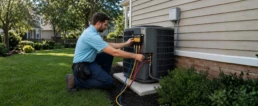
How to Know If Your AC Is Low on Refrigerant (And What to Do About It)
Signs of Low Refrigerant in AC Unit: Top Symptoms Homeowners Notice
When your air conditioner stops cooling effectively, low refrigerant (also called low Freon) is often the issue. In this guide we break down the top signs of low refrigerant in AC unit, how technicians check levels, why it almost always means a leak, and what to do next.
Signs Your AC Is Low on Refrigerant
Low refrigerant isn’t just an inconvenience, it’s a red flag that your system is under stress. Left unaddressed, it can cause long-term damage, spike your energy bills, and leave your home uncomfortably warm. Here are the telltale signs:
- Warm Air from Vents
Your AC runs, but the air coming out feels lukewarm or even hot. This usually means the refrigerant can’t absorb enough indoor heat to cool your space. - Longer Cooling Cycles & Rising Energy Costs
If your system is running for longer periods or struggling to shut off, it’s likely compensating for low refrigerant. You’ll notice this reflected in your monthly utility bill. - Frozen Evaporator Coils
Refrigerant keeps the evaporator coil at the right temperature. Without enough, condensation on the coil can freeze, restricting airflow and eventually shutting down the unit. - Hissing or Bubbling Sounds
These sounds often point to a refrigerant leak, typically from holes or cracks in the copper lines or coil. The noise is gas escaping under pressure. - Inability to Reach the Thermostat Setting
If your thermostat is set to 72°F but the room hovers at 78°F, your AC isn’t delivering enough cooling power, often a sign of low refrigerant pressure.
Low refrigerant symptoms or low Freon symptoms in an air conditioner are never normal. Refrigerant circulates inside a sealed loop, changing between liquid and vapor as it absorbs heat from inside your home and releases that heat outdoors. In most cases, low refrigerant in an AC unit means the sealed system has developed a leak that should be found and repaired.
AC Low on Refrigerant? Don’t “Top It Off.” Fix the Leak.
If your AC is blowing warm air, freezing up, or running nonstop, low refrigerant is usually a symptom of a refrigerant leak or airflow issue. Recharging without repairing the leak is temporary and can lead to serious compressor damage.
EMCO Tech pinpoints leaks, checks system pressures, verifies superheat and subcooling, and restores proper cooling the right way. Start with a professional inspection before minor issues turn into major repairs.
How HVAC Pros Check Your AC’s Refrigerant Levels
⚠️ Important Safety Note: Homeowners should never attempt to open or test refrigerant lines, only EPA-certified HVAC technicians can safely do that. But here’s how pros handle it:
- Pressure Gauges – Licensed techs use manifold gauges to read suction and discharge pressure, helping assess refrigerant charge.
- Superheat & Subcooling Readings – Temperature differences are measured at key system points to fine-tune refrigerant levels.
- Physical Clues – Ice buildup on coils, poor airflow, or oil stains around fittings often point to a leak.
Pro Tip: While you should not handle refrigerant yourself, the larger copper suction line near your outdoor unit should usually feel cold when the system is running. If it does not, your system may be undercharged, restricted, or affected by another cooling issue.
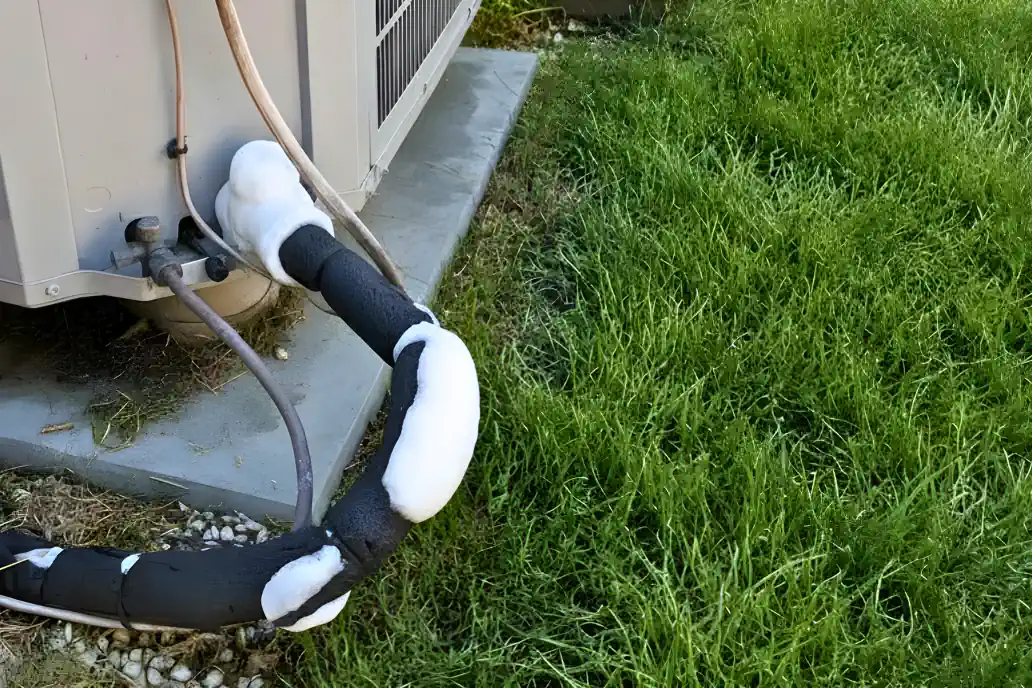
How Often Should You Add Refrigerant?
Never, unless there’s a leak. Central air conditioning systems are sealed. That means under normal conditions, refrigerant levels remain steady for the life of the unit.
If your system is low on refrigerant, it’s not because it was “used up.” It usually means there is a leak somewhere. Simply adding refrigerant without addressing the cause wastes money and can lead to future compressor damage.
At EMCO Tech Heating & Cooling, our certified technicians use electronic leak detection tools to pinpoint the source, repair it properly, and then recharge your system according to manufacturer specifications. No shortcuts. No guesswork.
Don’t Risk a Burnout, Let the Pros Handle It
Low refrigerant doesn’t just reduce cooling power, it can overwork your AC compressor, potentially leading to overheating, short cycling, and system failure. A burned-out compressor is one of the most expensive repairs in HVAC.
Our EPA-certified technicians are equipped to handle refrigerant issues safely and correctly. We don’t just “top off” and leave, we diagnose, seal leaks, and ensure your system runs at peak performance.
Need AC Repair? Schedule Service with EMCO Tech
Fast, professional help across Philadelphia and surrounding areas.
Why Refrigerant Is So Important
Refrigerant is the lifeblood of your AC system, it absorbs heat from your indoor air and releases it outside, keeping your home cool and comfortable. Without the right refrigerant level, your AC won’t be able to complete this cycle effectively. The result? Weak airflow, warm air from vents, higher energy bills, and eventual system strain.
How Leaks Happen and What to Look For
Your air conditioner does not consume refrigerant for operation like a car consumes gas, it should last the life of your AC system. If you’re low on refrigerant, it means you likely have a leak. Small pinholes in copper lines, worn valve cores, or loose connections are common culprits. You might notice hissing sounds, oily residue near the coil, or ice forming on refrigerant lines.
The Hidden Danger of Low Refrigerant
When your AC runs with low refrigerant, it forces the compressor to work harder and longer. Over time, this can cause the compressor to overheat or even fail, leading to a costly repair or complete system replacement. Ignoring refrigerant issues isn’t just uncomfortable; it’s expensive.
When to Call a Pro
Only certified HVAC technicians can legally handle refrigerants. If you suspect a problem, don’t try to add refrigerant yourself, it’s dangerous and illegal without proper certification. A technician will run pressure tests, check for leaks with UV dye or electronic detectors, and recharge the system to factory specs.
Preventative Maintenance Helps Catch It Early
Scheduling regular AC maintenance and pre-seasonal air conditioning tune-up helps catch refrigerant problems early, before they turn into major repairs. During a tune-up, technicians can inspect coils, check pressures, look for signs of leaks, and ensure optimal refrigerant levels to keep your home comfortable and energy-efficient all summer.
Frequently Asked Questions About Low AC Refrigerant
Warm air blowing from vents, longer cooling times, hissing or bubbling sounds, frozen evaporator coils, and higher electric bills are all signs that your AC may be low on refrigerant.
No. Proper refrigerant checks require gauges and tools only licensed HVAC technicians can use. DIY methods are inaccurate and potentially dangerous.
Never under normal circumstances. AC units are sealed systems—refrigerant doesn’t run out. If you’re low, it likely means there’s a leak that needs professional repair.
Running your AC with low refrigerant can overheat and damage your compressor. This can lead to very costly repairs or full system replacement. It’s best to shut it off and call a professional.
Technicians use manifold gauges to measure system pressures, inspect for visible signs of leaks, and may use electronic or UV leak detection tools.
No. If there’s a leak, adding refrigerant is only a temporary fix. The leak needs to be found and repaired, or the issue will return—and possibly worsen.
Costs vary depending on the severity of the leak, refrigerant type (R-410A vs R-22), and labor. Minor repairs may cost a few hundred dollars, while major leaks or recharge + repair combos can exceed $1,000.
Common symptoms of low refrigerant in AC unit include warm air from vents, longer cooling cycles, higher electric bills, frozen evaporator coils, hissing sounds, and the AC never reaching the thermostat setting.
Yes. Low refrigerant forces the compressor to work much harder and run hotter, which can lead to overheating and permanent compressor failure — one of the most expensive HVAC repairs.
Yes — in a sealed central AC system, low refrigerant almost always means there is a refrigerant leak. Refrigerant does not get “used up.”
If your AC is low on refrigerant or low on Freon, do not simply add more. It is a symptom of a leak that must be repaired. EMCO Tech provides same-day service in Montgomery County, Philadelphia, Bucks County, Chester County, and Delaware County.
Running an AC unit low on refrigerant causes higher energy bills, poor cooling, and can permanently damage the compressor. We always fix the leak first, then recharge to manufacturer specs.
Signs of low refrigerant pressure include warm air from vents, frozen coils, longer run times, hissing sounds, and the system struggling to reach the thermostat setting.
Seeing These Low Refrigerant Symptoms?
If your AC is blowing warm air, freezing up, or running nonstop, EMCO Tech can check the system, look for leaks, and explain your repair options before compressor damage gets worse.