



Ductless Mini-Splits in Philadelphia Row Homes and Older Houses
For many South Philadelphia homes, where installing new ductwork can be difficult or expensive, mini-splits offer a reliable and efficient cooling and heating solution. Homeowners exploring ductless mini-split systems often choose them for their flexibility, efficiency, and ability to deliver room-by-room comfort.
What Ductless Mini-Splits Cost and How They Compare to Central Air
Ductless mini-split systems have grown fast in popularity because they solve a problem traditional HVAC can’t: efficient heating and cooling for homes without ductwork. A small outdoor condenser connects to one or more indoor units, delivering targeted comfort room by room. Whether you’re renovating an older home, finishing a basement, or cooling a room that never had it, this guide explains how ductless systems work, their advantages and trade-offs, the main system types, and whether they’re the right fit versus central air conditioning.
Homeowners researching ductless mini-split benefits are usually looking for a smarter way to cool and heat their homes without the limitations of traditional ductwork. Modern mini-split systems provide efficient temperature control, flexible installation options, and improved indoor comfort for homes that may not be ideal for central air conditioning.
Want Cooling and Heating Without Ductwork?
We install single-zone and multi-zone ductless mini-splits in Philadelphia rowhomes, twins, and older houses with radiators, sized room by room with a free in-home estimate.
How Mini Split Systems Work
Unlike conventional HVAC systems that rely on large networks of ducts, ductless systems deliver conditioned air directly into individual rooms. An outdoor condenser connects to one or more indoor air handlers through a small conduit that carries refrigerant, power, and drainage lines. Homeowners considering mini-split installation and replacement often choose this setup because it avoids the need for bulky ductwork while still providing efficient comfort.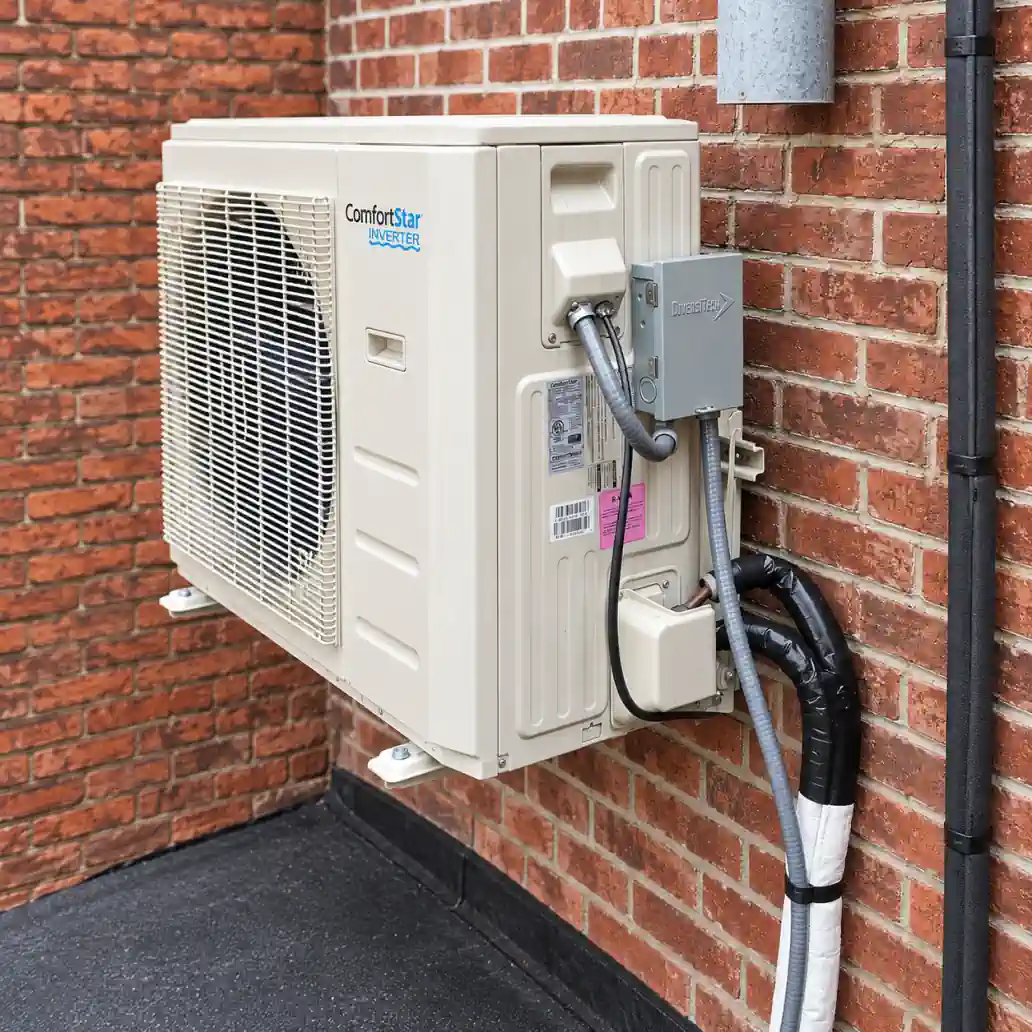
Energy Efficiency Advantages
One of the most recognized ductless mini-split benefits is energy efficiency. Traditional systems can lose a significant amount of energy through duct leakage, especially in older homes. Mini-split systems avoid this issue by delivering air directly into the room.
Proper sizing and installation are important for achieving maximum efficiency, which is why many homeowners rely on professional ductless system installation. Most modern mini-split systems also use inverter technology that adjusts compressor speed instead of constantly turning on and off. This allows the system to maintain steady temperatures while consuming less electricity.
For homeowners comparing cooling options, this improved efficiency can translate into lower energy bills and more consistent indoor comfort.
Zoned Comfort for Every Room
Another major advantage of ductless systems is zoned comfort. Each indoor unit can operate independently, allowing different rooms to maintain different temperatures.
This flexibility is especially useful in homes where certain rooms heat up faster than others, or where family members prefer different comfort levels.
Instead of cooling the entire house at once, a mini split system for your home can focus cooling exactly where it is needed, helping reduce unnecessary energy use.
Quiet Operation and Everyday Comfort
Many homeowners are surprised by how quiet ductless mini-split systems are compared to traditional HVAC equipment. Indoor units operate with very low sound levels, making them ideal for bedrooms, offices, nurseries, and living spaces.
The compressor is located outdoors, which further reduces indoor noise and helps create a more peaceful home environment. Modern systems are designed for quiet performance, especially when properly maintained with routine mini-split maintenance.
Installation Flexibility
One reason homeowners begin researching choosing the right mini split system is installation flexibility. Ductless units can be installed in places where traditional systems may struggle.
Examples include:
- Older homes without ductwork
- Room additions or converted spaces
- Basements and attics
- Apartments and row homes
- Garages or workshops
Because the system only requires a small wall opening for the conduit, installation is often far less disruptive than installing full duct systems.
Mini Splits in Philadelphia Row Homes and Older Houses
Most of the housing stock across Philadelphia, Montgomery County, and Delaware County predates central air. Row homes, twins, stone colonials, and converted properties were built with radiators or baseboard heat and no duct chases anywhere in the structure. Retrofitting ductwork into those buildings means soffits through finished ceilings, lost closet space, or a third floor that never quite keeps up.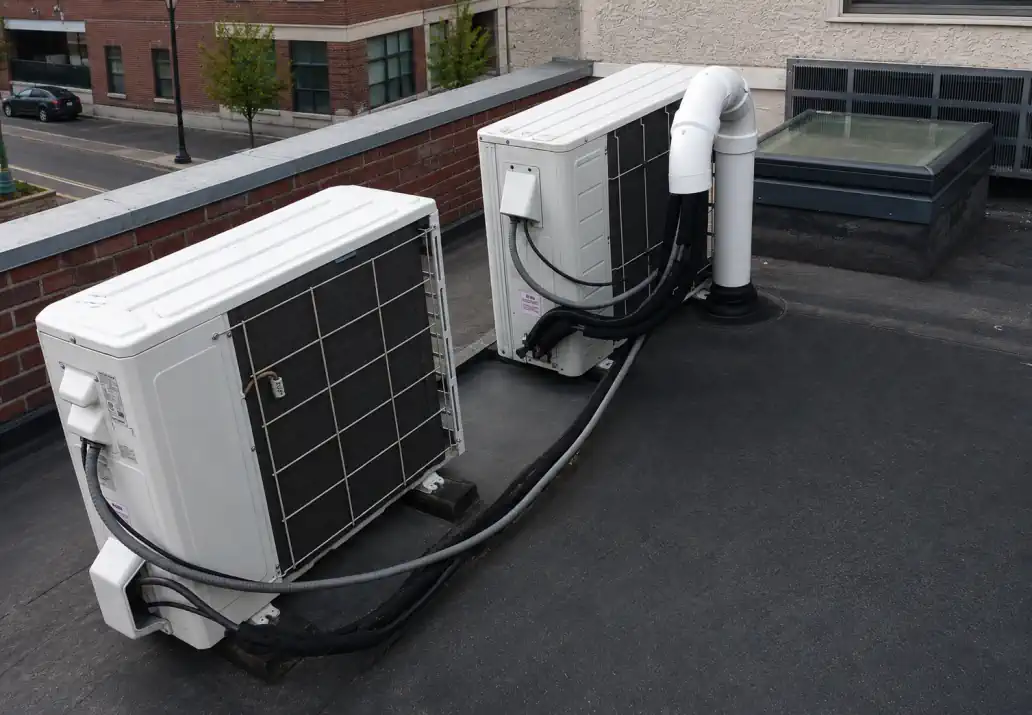
Ductless changes that math. A line set needs a three-inch opening, so a multi-zone system goes into a Fishtown row home or a Bala Cynwyd colonial without opening walls. Common situations we handle in this area:
- Third-floor bedrooms in row homes that run ten degrees hotter than the rest of the house
- Finished basements and converted attics that were never on the original heating loop
- Stone and brick twins where exterior wall thickness rules out conventional duct runs
- Homes on radiator heat where the owner wants cooling without abandoning a working boiler
- Rear additions and enclosed porches that the existing system cannot reach
- Rental and multi-unit properties needing separate temperature control per unit
Older buildings also bring constraints worth knowing before you commit. Electrical panels in pre-war homes often need a service evaluation before adding multiple condensers, and historic district rules in some neighborhoods affect where an outdoor unit can sit.
Can You Keep Your Radiators and Add Ductless Heating?
Yes. You can keep a working boiler and radiators while adding a ductless heat pump for summer cooling and supplemental heat. For a Philadelphia rowhome without ductwork, this offers a way to improve comfort in an upstairs bedroom or rear addition without replacing the entire heating system. Explore ductless heating and cooling options for individual rooms or a larger portion of your home.
Does Every Bedroom Need Its Own Mini-Split?
Not necessarily, but one unit in a hallway should not be expected to keep closed bedrooms comfortable. Connected, open-plan spaces may share an indoor unit, while separate bedrooms need individual consideration. Plan around room layout, closed doors, and heating needs rather than assuming one indoor unit per floor will be enough.
Can Mini-Splits Heat a Whole House in a Philadelphia Winter?
Yes, a properly designed cold-climate mini-split system can provide whole-house heating. The important question is whether the selected equipment delivers enough heat at low outdoor temperatures, not simply whether it has a heating mode. A system chosen mainly for summer cooling should not automatically be assumed to cover the home’s full winter heating needs.
Before replacing your existing heat, have an installer evaluate each room’s heating requirements, including insulation, windows, and exposed walls. The outdoor unit’s capacity and the indoor-unit layout both need to match the job. Depending on the home and equipment, retaining a boiler or furnace as backup may be appropriate.
For help comparing supplemental heating with a complete whole-home setup, explore our mini-split installation and replacement services.
Improved Indoor Air Quality
Another benefit homeowners often overlook is improved indoor air quality. Because ductless systems do not rely on long duct runs, they avoid many of the dust and debris accumulation issues that occur in older duct systems.
Many modern mini-splits include advanced filtration systems designed to help reduce airborne particles. Homeowners concerned about indoor air quality may also explore air purification and filtration solutions to further improve indoor comfort.
Pros and Cons of Ductless Mini-Splits
Like any system, ductless mini-splits have clear strengths and a few trade-offs worth weighing before you invest. Here’s a side-by-side look:
| Pros of Ductless Mini-Splits | Cons of Ductless Mini-Splits |
|---|---|
| No ductwork required, ideal for older homes and additions | Indoor units are more visible than hidden vents |
| High energy efficiency with little to no duct loss | Higher upfront cost per zone |
| Zoned, room-by-room temperature control | Multiple rooms may need multiple indoor units |
| Very quiet indoor operation | Best performance depends on correct professional sizing |
| Heating and cooling from one heat-pump system | Outdoor condenser still requires exterior space |
For most homes without ductwork, the pros far outweigh the cons, especially with professional mini-split installation that ensures the system is sized correctly.
Homeowners frequently ask, are ductless systems worth it? The answer depends on the layout and needs of the home, but in many cases the advantages are clear.
Ductless mini-splits offer efficient operation, flexible installation, and precise temperature control. For homes without existing ductwork or for rooms that traditional HVAC systems struggle to cool, mini-splits can provide a practical and reliable solution.
Many homeowners researching ductless mini-split benefits also compare them to central air systems before deciding which option works best for their home.
Ductless Mini-Split vs Central Air Conditioning
Homeowners comparing cooling options often wonder whether a ductless mini-split system or traditional central air conditioning is the better choice. Both systems can provide effective cooling, but they work very differently. The table below highlights the main differences to help you understand which system may be better suited for your home.
| Feature | Ductless Mini-Split System | Central Air Conditioning |
|---|---|---|
| Ductwork Required | No ductwork needed | Requires full duct system |
| Energy Efficiency | Very efficient – minimal energy loss | Moderate – energy can be lost through ducts |
| Zoned Temperature Control | ✓ Independent room-by-room control | Whole-home temperature control |
| Installation Complexity | Simpler installation with small wall opening | More complex installation with ductwork |
| Best for Older Homes | ✓ Excellent for homes without ducts | Better for homes with existing ductwork |
| Noise Levels | Very quiet indoor operation | Moderate – air handler noise through ducts |
| Typical Use | Additions, basements, older homes, zoned cooling | Whole-home cooling with ducted HVAC |
Choosing the Right System for Your Home
Understanding the full range of ductless mini-split benefits can help homeowners make informed decisions when upgrading their HVAC system. From improved efficiency and zoned comfort to quiet operation and installation flexibility, ductless technology offers a modern approach to heating and cooling.
When evaluating ductless minisplit options, it is important to consider room size, home layout, and long-term comfort goals to determine the best configuration for your space.
To compare available equipment and learn more about installation options, explore our guide to ductless mini-split systems and solutions.
Types of Ductless Mini-Split Systems
Understanding the main types of ductless mini-splits helps you match a system to your home’s layout and comfort goals.
Single-Zone vs. Multi-Zone Systems
A single-zone mini-split pairs one outdoor unit with one indoor unit, perfect for a single room, addition, or garage. A multi-zone system connects several indoor units to one outdoor condenser, giving independent temperature control across multiple rooms from a single setup.
Indoor Unit Styles
- Wall-mounted: the most common and budget-friendly option.
- Ceiling cassette: recessed into the ceiling for a discreet look.
- Floor-mounted: useful where wall or ceiling space is limited.
Not sure which configuration fits your space? Explore our full range of ductless mini-split systems and solutions or talk to our team for a recommendation.
Ductless Mini-Split Installation Across the Philadelphia Area
We install and service ductless systems throughout Philadelphia, Montgomery County, Bucks County, Delaware County, and Chester County, working out of stocked warehouses in Willow Grove and Northeast Philadelphia. As a factory-authorized Carrier dealer, we size systems to the actual load of the building rather than a square-footage rule of thumb, which matters more in older construction where insulation and window quality vary room to room.
One Cold Bedroom or a Whole-House Upgrade?
Tell us which rooms are uncomfortable and whether you want to keep your existing heat. EMCO Tech Heating & Cooling can help you compare a targeted ductless addition with a whole-home installation. Request a free installation estimate or call 215-366-1001 to discuss your home.
One Cold Bedroom or a Whole-House Upgrade?
Tell us which rooms need attention. We can help you compare ductless options for your home.
Frequently Asked Questions About Ductless Mini-Splits
For homes without existing ductwork, additions, or rooms that are hard to heat and cool, ductless mini-splits are often well worth it. They deliver high efficiency, zoned comfort, and quiet operation, and they avoid the major construction needed to add ducts to an older home.
Yes. Ductless mini-splits avoid the energy loss that happens through ductwork and use inverter-driven compressors that adjust output to demand, helping lower utility bills.
The two main categories are single-zone systems (one indoor unit) and multi-zone systems (several indoor units on one outdoor condenser). Indoor units come in wall-mounted, ceiling cassette, and floor-mounted styles.
Upfront costs vary by home, but mini-splits often cost less to run thanks to higher efficiency and zoned control. For homes without ducts, they also avoid the expense of installing a full duct system.
Yes. Mini-splits are ideal for older homes because they don’t require ductwork and can be installed with minimal structural modification.
Cost depends on the number of zones, indoor unit style, line set routing, and whether the electrical panel needs work. Single-zone systems sit well below multi-zone installations, and older homes sometimes need a service evaluation first. We provide free estimates with a firm number before any work starts.
Yes. Modern cold-climate heat pumps hold usable heating capacity well below freezing, which covers a typical Philadelphia winter. Some homeowners keep an existing boiler or furnace as backup for the coldest stretches, and we size accordingly.
A multi-zone mini-split with several indoor units can heat and cool an entire home, with independent temperature control in each zone.
With proper maintenance, many ductless mini-split systems operate efficiently for 15 to 20 years.
Explore Our Ductless Mini-Split Services
Mini-Split Installation
Single-zone and multi-zone systems sized room by room for rowhomes and older houses.
Mini-Split Repair
Not cooling, not heating, leaking, or showing error codes, on all major brands.
Mini-Split Maintenance
Seasonal service that keeps filters, coils, and drain lines clean and efficient.
Mini-Split Deep Cleaning
Indoor unit cleaning for musty smells, mold, and weak airflow.
Heat Pump Installation
Ducted and cold-climate heat pumps for whole-house heating and cooling.
Boilers & Radiators
Keep your radiators for heat and add ductless for cooling. We service both.
More on Ductless Mini-Splits
Ductless Services
Post Updated: September 2026

Turning On AC After Winter? Startup Checklist + Why It's Not Cooling
What to Do Before Turning On Your AC for the First Time After Winter (Step by Step)
Before the first Montgomery County heatwave, run this quick startup checklist so your AC turns on clean, safe, and actually cooling — no first-hot-day panic.
On this page
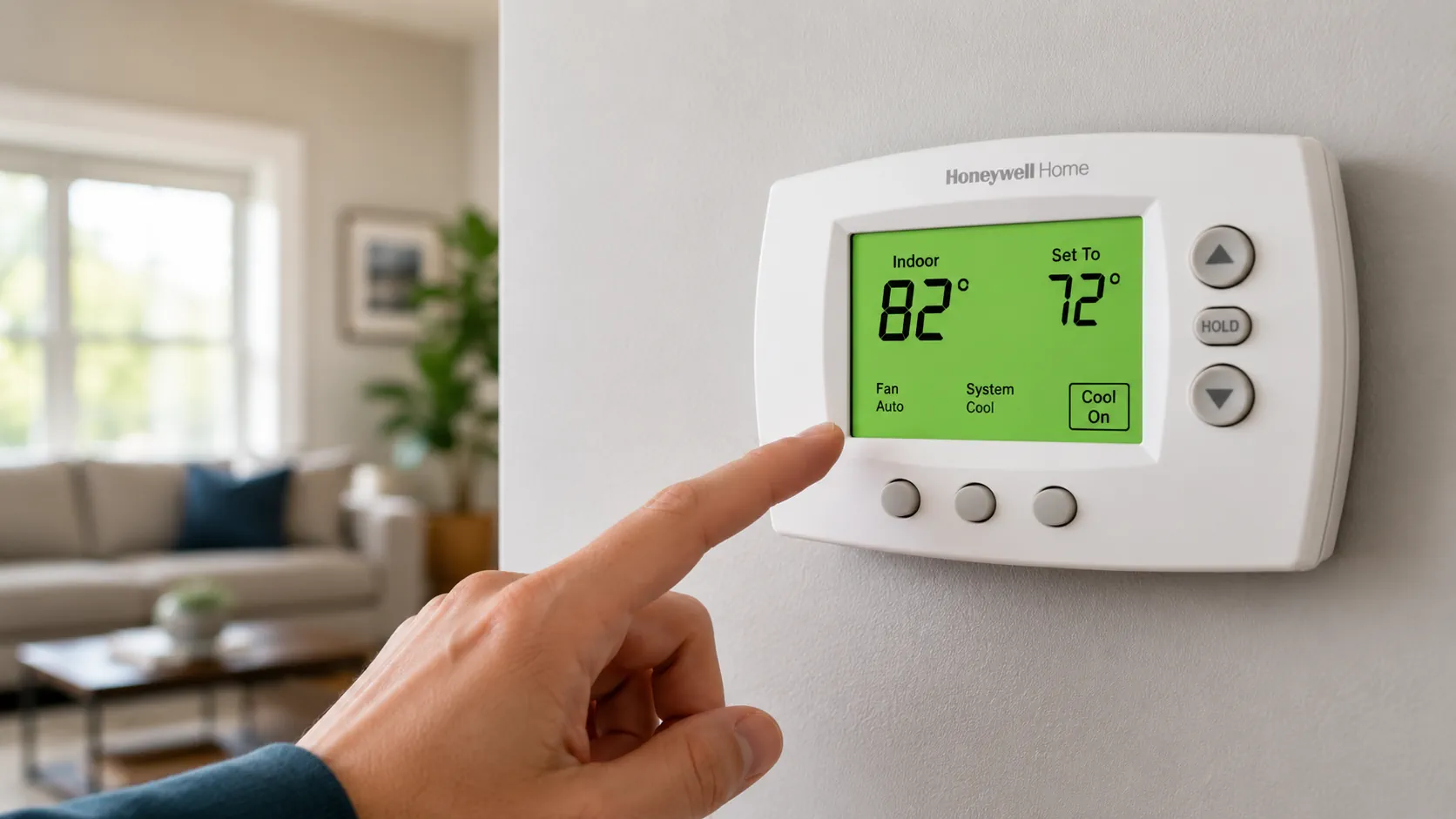 This is the “barebones but smart” version. Do these steps in order before you run a full cooling cycle, especially if you’re in Montgomery County, Bucks County, or Philadelphia, where spring can jump from hoodie weather to heatwave with zero warning. Use this before turning on AC after winter checklist to make sure your system is clean, safe, and ready before the first heatwave.
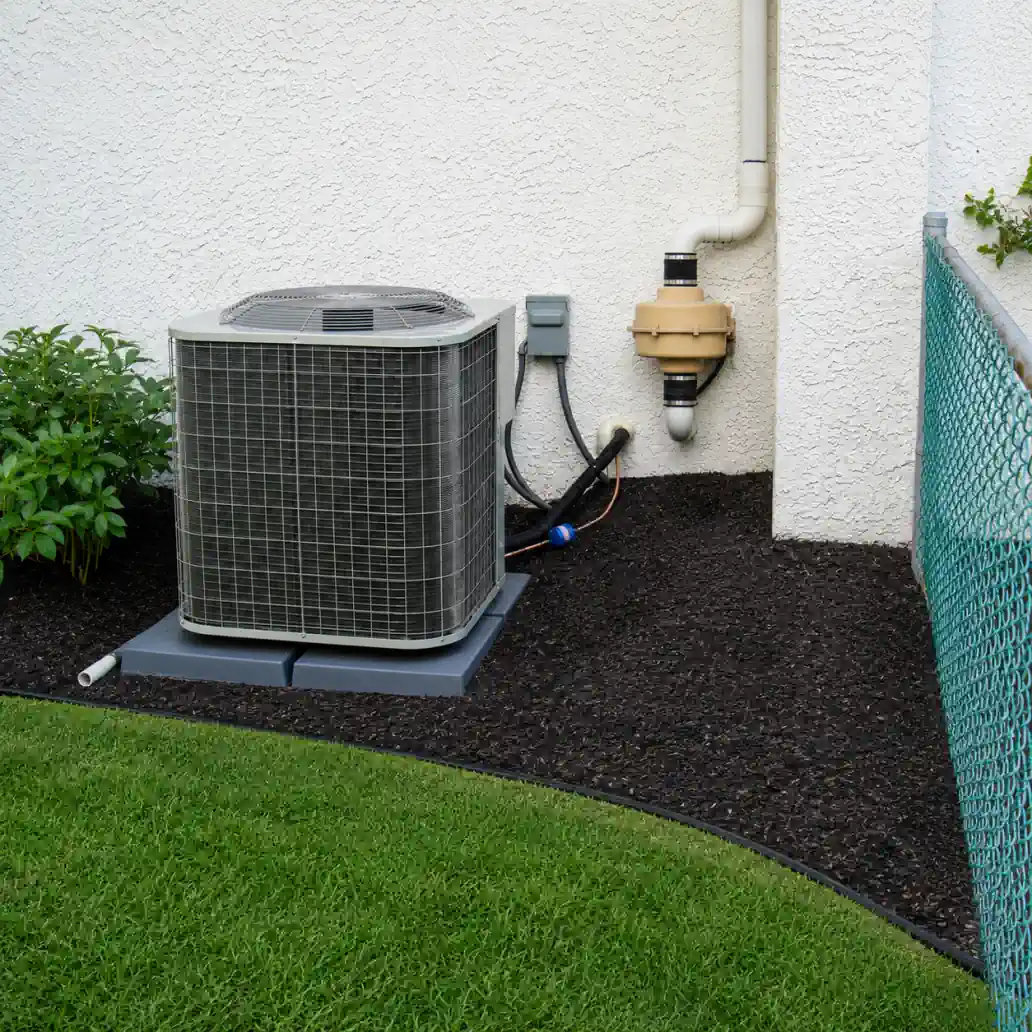
- Check the outdoor temperature first: don’t test cooling when it’s too cold outside (see the next section for the safe range).
- Remove any winter cover and clear leaves, sticks, and debris away from the outdoor unit.
- Give the condenser breathing room: clear space around the unit so air can flow freely.
- Replace (or clean) your HVAC air filter before the first real run.
- Open supply vents and make sure returns aren’t blocked by rugs, furniture, or closed doors.
- Set thermostat to COOL + Fan AUTO and lower the setpoint 2–3 degrees to call for cooling.
- Let it run 10–15 minutes and confirm the air coming out of vents feels cooler and the home temperature starts trending down.
- Watch for water issues: check for dripping/overflow near the indoor unit and keep an eye on the condensate drain.
- If anything looks/smells/sounds wrong: shut it off and schedule a professional check (don’t “test harder”).
Want the pro version instead of DIY guesswork? Book a professional air conditioner maintenance visit so your system is clean, tested, and ready before the first real heat hits.
Not Sure How to Turn On Your AC for the First Time After Winter?
Before the first heatwave hits Montgomery County, make sure your system is clean, safe, and cooling properly. EMCO Tech provides professional air conditioner maintenance and spring AC tune-ups to catch problems early and keep your system running efficiently all summer.
Now let’s cover the four things people actually search for (and the stuff that prevents expensive mistakes).
How Warm Outside Should It Be to Safely Test Your AC?
Here’s the blunt truth: testing your AC when it’s too cold outside can cause problems—best case, it won’t cool right; worst case, you risk equipment damage.
- Smart homeowner rule: wait until it’s roughly 60°F+ outside before you run a true cooling test.
- Equipment reality: many systems are built for cooling operation above ~55°F unless the system has approved low-ambient controls.
If you “need cooling” when it’s still cold outside, open windows or use fans for a day. It’s not worth gambling a compressor just to prove the thermostat still works.
AC Turned On After Winter But Not Cooling? Here’s Why
If you started your AC for the first time after winter and it’s running but not cooling, the most common reasons are simple. It may be too cold outside to test (below ~60°F, your system can’t cool properly). The air filter or outdoor coil may be clogged from winter, choking airflow. A tripped breaker or off disconnect can leave the outdoor unit idle while the indoor fan still blows. And after a long off-season, low refrigerant or a compressor that needs to warm up (the 24-hour power rule below) can both cause weak or no cooling.
Quick check: confirm the outdoor unit’s fan is spinning and the breaker is on. If the fan runs, the filter is clean, and it’s warm outside but the house still isn’t cooling after 15–20 minutes, stop testing and schedule an AC repair — running it dry can damage the compressor.
The “24-Hour Rule” After Winter: Do You Need to Turn Power On First?
If your outdoor unit’s disconnect or breaker has been OFF all winter, don’t just flip it on and immediately call for cooling. Many systems use crankcase heat to reduce liquid refrigerant migration into the compressor oil during off cycles. After a long shutdown, manufacturers commonly require the crankcase heater to be energized for a long stretch before starting the compressor.
- If the breaker/disconnect was OFF for months: turn power ON and wait (often 12–24 hours) before the first cooling run.
- If you never shut power off: you can usually proceed with the rest of the checklist.
Bottom line: if you’re not sure, play it safe and wait. Or just schedule an HVAC tech and remove the uncertainty.
Schedule air conditioning repair if your unit trips breakers, refuses to start, or you suspect electrical damage.
The “3-Minute Rule” for Air Conditioners (Why You Shouldn’t Rapid-Fire the Thermostat)
People love flipping the thermostat like it’s a light switch. Don’t. Restarting the compressor too soon after shutdown can cause damage, which is why many thermostats and controls enforce a short “wait” time (often a few minutes) before allowing cooling to restart.
- If you turned the system off (or lost power), wait a few minutes before turning it back on.
- If your thermostat displays something like “Waiting,” that’s usually compressor protection doing its job.
How to Turn On Your AC for the First Time After Winter (The Short Version)
If you’re scrolling fast, here’s the short version: turning on your AC for the first time after winter should be deliberate, not a one-second thermostat flip. Wait until it’s warm enough outside (60°F or above), restore power to the outdoor unit ahead of time so the crankcase heater can do its job, swap the filter, clear the condenser, and run a short test cycle. If something sounds, smells, or feels wrong on first startup, shut it down. The fastest way to skip the guesswork is to book a spring AC tune-up and let a tech handle the first-run inspection.
DIY Maintenance That Actually Matters Before the First Heatwave
Many of the basic steps in this checklist—such as replacing air filters, keeping outdoor condenser coils clear, and checking the condensate drain—are widely recommended by industry authorities. The U.S. Department of Energy explains that regular maintenance like filter replacement and coil cleaning helps air conditioners operate more efficiently and prevents common system failures. See the Department of Energy’s Air Conditioner Maintenance guide for additional technical recommendations.
Swap the air filter (seriously—don’t skip this)
Starting the cooling season with a clogged filter is like trying to breathe through a blanket. It restricts airflow, reduces efficiency, and can contribute to performance issues. If you don’t remember the last time you changed it, change it now.
If you want help choosing filtration upgrades, check out air purification & filtration services (especially helpful for spring allergy season).
Clear the outdoor unit so it can breathe
Check that the outdoor unit is free of leaves, dead plants, and winter junk. Also trim back landscaping so air can move through the condenser properly.
Here’s a solid, authoritative external guide you can trust: U.S. Department of Energy – Air Conditioner Maintenance.
Confirm vents and returns are open and unobstructed
Don’t “optimize” your HVAC by closing half the house vents. Your system was designed for balanced airflow. Make sure supply vents are open and return grilles aren’t blocked by furniture or rugs.
What’s Normal on First Startup—and What’s a Red Flag
Normal-ish
- A slightly dusty smell for a short time (especially if you ran the fan for the first time in months).
- Light clicking as the system starts and stops.
Shut it off and call a pro
- Burning smell (possible electrical issue).
- Loud grinding, banging, or metal-on-metal noises.
- Outdoor fan not spinning while the system is trying to run.
- AC runs but the house temperature isn’t dropping after a reasonable test run.
- Water leaking around the indoor unit or signs the drain is backing up.
Fast path to resolution: book air conditioning repair or, if it’s urgent, use our emergency HVAC services.
Start here if you want options (repair, tune-up, replacement): air conditioning services.
Need the Full Spring Plan? See the March AC Maintenance Checklist
For the broader seasonal planning article, read: March AC Maintenance Checklist.
FAQ
Yes. At minimum: check outdoor temperature, remove covers/debris, change the filter, confirm vents are open, and run a short test cycle. If anything seems off (burning smell, loud noise, no cooling), shut it down and schedule service.
Don’t restart the compressor immediately after shutting the system off. Wait a few minutes between cycles. Many thermostats enforce this automatically to protect the compressor.
If your disconnect/breaker was OFF all winter, turn it on well before your first cooling call, then follow the full startup checklist. This reduces the risk of a hard start and protects the compressor.
Wait a few minutes between off and on cycles. If the unit was without power for months, wait significantly longer (often 12–24 hours) after restoring power before the first cooling run.
Common causes include airflow restrictions (filter), thermostat settings, outdoor unit issues, electrical problems, or refrigerant-related concerns. If you’ve confirmed basic airflow and settings, schedule a diagnostic—don’t keep forcing it.
Start by checking the outdoor temperature (wait for 60°F or above), then turn power back on at the disconnect or breaker so the crankcase heater can warm up before the compressor runs. Pull off any winter cover, clear leaves and debris from the condenser, swap the air filter, and confirm vents and returns are open. Set the thermostat to COOL and Fan AUTO, drop the setpoint a few degrees, and let the system run for 10 to 15 minutes. If anything seems off, shut it down and schedule service.
Yes, as long as you prep first. Running your AC for the first time after winter is safe when the outdoor temperature is warm enough (around 60°F+), power has been restored to the unit long enough for the crankcase heater to do its job, the filter is fresh, and the condenser is clear. Skipping these steps is where homeowners run into trouble (warm air, breaker trips, or short-cycling on the very first run).
AC Service Near Willow Grove, Bucks County & Philadelphia
If the checklist does not solve the problem, EMCO Tech provides air conditioning service across nearby Montgomery County, Bucks County, and Philadelphia. Our Willow Grove and Northeast Philadelphia locations help us cover many local neighborhoods quickly for spring AC tune-ups, cooling repairs, and first-start system checks.
Philadelphia
- Center City
- South Philadelphia
- Northeast Philadelphia
- Fishtown & Northern Liberties
- Manayunk & Roxborough
- Chestnut Hill & Mount Airy
Post Updated: October 2026

March AC Maintenance Checklist for the Philadelphia Area: Catch the Last Cold Waves + Prep Your AC for Summer
March is a great time to schedule air conditioner maintenance because it’s early enough to fix issues before the rush, but close enough to summer that your system is about to get worked hard. ENERGY STAR’s maintenance checklist recommends annual pre-season check-ups—and notes it’s best to check cooling in the spring before contractors are busiest.
March HVAC Changeover Checklist (Homeowner Steps You Can Do This Week)
Short setup:
You don’t need to be a technician to do the basics. This checklist catches the common “winter hangover” issues that hurt airflow and efficiency.
Swap or clean the air filter before you do anything else
- If the filter is dirty, replace it (or clean it if you use a washable type).
- A clean filter supports airflow and helps your system run with less strain.
Clear the outdoor unit (condenser) so it can breathe
- Remove leaves, sticks, and winter junk around the unit.
- Make sure plants aren’t pressed up against it.
Do a controlled AC test on a mild day (don’t wait for 90°F)
- Set the thermostat to “Cool” and let it run 10–15 minutes.
- Watch for: warm air, weak airflow, strange noises, or short cycling.
If anything feels off, stop running it and schedule a diagnostic early—before a small issue turns into a major summer breakdown. Start here: air conditioning repair.
Check drains and water risk early
- If you’ve had water around your indoor unit before, March is the time to prevent another season of headaches.
What a Professional AC Maintenance Visit Covers (And Why It Matters)
A real tune-up is more than “turn it on and see if it runs.” The U.S. Department of Energy notes regular maintenance of filters, coils, fins, and refrigerant lines is essential, and neglect leads to declining performance and higher energy use.
We serve homeowners and businesses across the Greater Philadelphia area—including Montgomery County, Bucks County, Chester County, and Delaware County.
During a proper tune-up, a technician typically:
- checks thermostat operation and basic controls
- inspects and secures electrical connections
- inspects coils and airflow conditions
- checks refrigerant charge/pressures and looks for leaks
- checks condensate drainage and system safety
Note: Refrigerant handling isn’t a DIY task—EPA rules require certified technicians for work that could release refrigerants.
AC Maintenance in the Philadelphia Area: What EMCO Tech Focuses On
If you want a spring tune-up that actually prevents breakdowns, start with a proper AC tune-up and follow up with an HVAC maintenance plan if you want priority scheduling and fewer surprises.
Core performance checks (the “will this survive summer?” items)
- refrigerant charge and pressure checks (and leak spotting)
- condenser and evaporator coil condition checks
- blower and fan performance checks
- thermostat accuracy and temperature split checks
Electrical and reliability checks (the “stop small issues from turning expensive” items)
- inspect contactors and capacitors
- check compressor and fan motor electrical readings
- tighten connections and confirm safe operation where applicable
Drainage and indoor comfort checks
- inspect condensate pan and drain line
- address common water-risk issues before humidity season hits
We service everything from central air conditioning to ductless mini-splits across the Philadelphia-area suburbs and counties.
$89 Spring AC Tune-Up
Get ahead of the first heatwave and avoid peak-season delays.
AC Maintenance + Condenser Cleaning
Best choice if you want cooler operation, less strain, and fewer shutdown risks.
If You Have a Heat Pump, March Matters Even More
Heat pumps run during the last cold waves AND they cool your home in summer—so March maintenance is a two-for-one “season change” check.
Signs you shouldn’t ignore:
- louder operation than last season
- poor heating on cold mornings or weak cooling during your test run
- frequent cycling or airflow that feels inconsistent
If you use a heat pump for year-round comfort, schedule heat pump maintenance now—before peak-season scheduling gets tight. If your March test run fails, don’t wait: heat pump repair is the next step.
Heat Pump Spring Service (March Changeover Check)
Heat pumps do heating and cooling. March is when problems show up first.
Ductless Mini-Split Spring Maintenance (Zoned Comfort Without the Summer Surprise)
Ductless systems are efficient, but only when filters, coils, and drains stay clean. If you want professional help, start with mini-split maintenance or book a mini-split cleaning appointment.
In March, focus on:
- cleaning/inspecting indoor head filters
- checking for drainage issues and musty smells
- testing each zone before humidity rises
Ductless Mini-Split Cleaning and Spring Maintenance
Reduce musty smells, drainage issues, and weak airflow before summer humidity hits.
Commercial AC Maintenance in Philadelphia: March Planning for Rooftop Units and Busy Buildings
For businesses, “wait until it breaks” is the expensive plan—downtime, uncomfortable customers, and rushed repairs.
A real commercial maintenance program is built around consistent inspection and documented upkeep. For commercial properties, pre-season inspections are how you prevent avoidable downtime and emergency calls during peak summer demand.
March is a smart planning month to:
- schedule pre-season inspections before occupancy and heat loads spike
- replace filters and verify ventilation/controls
- evaluate rooftop unit condition and catch leaks or electrical wear early
- plan repairs or replacements on YOUR timeline, not during an emergency
If you manage a building, ask about commercial HVAC maintenance agreements and seasonal inspections—built around your equipment and occupancy demands.
Commercial HVAC Maintenance (Pre-Season Planning)
Prevent downtime for rooftop units, offices, and multi-tenant buildings before summer load hits.
FAQ:
When is the best time to get AC maintenance in the Philadelphia area?
Spring—March through early May—is ideal because contractors get busy in peak summer, and spring checkups help you avoid first-heatwave breakdowns.
How often should AC maintenance be done?
Typically once per year (spring). If you have a heat pump, many owners schedule spring and fall system checks.
What if my AC test run in March shows warm air or weird noises?
Stop running it and schedule a diagnostic early. Small problems are cheaper before they damage major components.
Don’t wait for the first heatwave. Schedule your AC maintenance with EMCO Tech Heating & Cooling today: 215-366-1001.
Serving Philadelphia, Willow Grove, Montgomery County, Bucks County, Chester County, and Delaware County.

How to Hire an Air Conditioning Contractor in Chester County, PA
How to Choose an Air Conditioning Contractor in Chester County, PA
Hiring the right air conditioning contractor is the difference between a smooth install and a summer full of callbacks. If you are comparing quotes, chasing strange noises, or planning a replacement, use this checklist to choose a licensed, insured contractor who actually stands behind the work. Chester County homeowners and light-commercial properties can use the local links below for fast scheduling.
Air Conditioning Contractors Serving Chester County, PA
Summers in Chester County can swing from comfortable evenings to long stretches of humid heat, especially in densely developed areas and growing communities. Homes in older boroughs, new suburban developments, and rural properties often face different cooling challenges—from aging duct systems to oversized units installed decades ago. Choosing an experienced local air conditioning contractor ensures your system is properly sized, installed, and maintained for the region’s climate.
EMCO Tech provides professional air conditioning services throughout Chester County, including the communities below:
Downingtown, PA | Kennett Square | West Chester | Phoenixville
Quick Contractor Checklist (Save This)
- License and insurance: A reputable air conditioning contractor should be fully licensed and insured. Ask for documentation so you know your home and project are protected.
- Proper load calculation: A professional contractor evaluates square footage, insulation, windows, and duct layout before recommending equipment. Installing the “same size as before” often leads to inefficient cooling.
- Clear scope of work: Your estimate should explain equipment models, permit requirements, installation steps, and workmanship warranty details.
- System options that fit your home: Depending on the layout and age of your property, the contractor may recommend central air conditioning, heat pumps, or ductless mini-split systems.
- Written estimate: Transparent estimates break down equipment, labor, and installation costs so you can compare contractors confidently.
- Maintenance planning: Long-term system performance depends on routine service. Regular air conditioner maintenance helps prevent breakdowns and improves energy efficiency.
Top Questions to Ask an Air Conditioning Contractor
- Are you familiar with permitting requirements and HVAC codes in Chester County municipalities?
- Which air conditioning brands and equipment lines do you install and service?
- Will you inspect ductwork, airflow balance, and static pressure before recommending a new system?
- What startup and commissioning procedures do you perform after installation (refrigerant charge, airflow measurement, temperature split verification)?
- Do you provide emergency air conditioning repair if a system fails during a heat wave?
Hiring a Ductless or Mini-Split Contractor in Chester County
Ductless and mini-split systems reward careful hiring more than almost any other install. Sizing, line-set routing, and indoor-head placement all affect comfort and efficiency, and a rushed job shows up fast in uneven temperatures and higher bills. When you hire a ductless contractor, ask how many mini-split systems they install per year, whether they do a room-by-room load calculation instead of guessing, and whether they are factory-trained on the brand they are quoting.
The right ductless heat pump contractor will walk you through head placement, explain the difference between single-zone and multi-zone setups, and give you a clear line on warranty registration. If a bidder cannot answer those, keep looking. When you are ready to compare a real quote, see our ductless mini-split installation services.
Hiring a Contractor for AC Replacement
Replacing an air conditioner is a bigger decision than a repair, and the contractor you hire matters more. An experienced AC replacement contractor starts with a load calculation to size the new system to your home, not to whatever was there before, since an oversized unit short-cycles and an undersized one never keeps up. Ask for an itemized quote that separates equipment, labor, and any electrical or ductwork changes, and confirm the installer pulls the proper permit and registers the manufacturer warranty.
Be wary of any contractor who quotes a replacement over the phone without seeing the system. A same-size swap without a real assessment is the most common way homeowners end up with a system that underperforms for a decade. When you are ready, compare our AC installation and replacement options.
Ready to Hire? See Our Chester County HVAC Services
Once you know what to look for, the next step is a licensed local team. See our full Chester County HVAC services, or reach us directly.
Red Flags When Hiring an Air Conditioning Contractor (Walk Away Fast)
Not every contractor advertising air conditioning services delivers the same level of professionalism. Homeowners across Chester County frequently run into rushed estimates, poorly sized systems, or contractors who disappear after installation. Knowing a few warning signs can help you avoid expensive mistakes when choosing an air conditioning contractor.
- No proof of licensing or insurance: A legitimate contractor should be able to provide insurance documentation and licensing details in writing. If a company avoids this question, that’s a serious risk for homeowners.
- Replacement pushed immediately: Some contractors recommend replacing your AC unit without checking airflow, refrigerant levels, duct condition, or electrical components. Proper diagnostics should always come before replacement recommendations.
- Vague or confusing estimates: Professional contractors explain equipment models, SEER ratings, warranty coverage, and installation steps. If the estimate is vague or the contractor refuses to discuss details, transparency may not be their priority.
- No installation plan: A qualified HVAC contractor should address condensate drainage, refrigerant line routing, electrical connections, airflow balance, and thermostat compatibility. Skipping these details can lead to leaks, inefficient cooling, or system failures.
- Unrealistic pricing: Extremely low bids sometimes signal missing permits, substandard equipment, or shortcuts during installation. When comparing contractors in Chester County, balanced pricing and clear documentation are better indicators of quality.
EMCO Tech Local AC Contractor in Chester County, PA
We regularly serve homeowners across Chester County, including West Chester, Downingtown, Phoenixville, and Kennett Square. Whether your system needs a quick repair or a full replacement, working with a qualified local air conditioning contractor helps ensure reliable cooling, proper installation, and long-term performance.
Our technicians regularly install and repair air conditioning systems in Downingtown, West Chester, Kennett Square, Phoenixville, and surrounding Chester County communities.
Frequently Asked Questions About Air Conditioning Contractors
Look for licensed and insured HVAC contractors with strong local reviews, clear written estimates, and experience installing and servicing central air systems. A reliable contractor should also inspect ductwork, airflow, and system sizing before recommending replacement.
Call an HVAC contractor if your air conditioner is blowing warm air, making unusual noises, leaking water, or failing to keep your home cool during hot weather. Early diagnosis often prevents larger and more expensive repairs.
Costs vary depending on the service required. Simple repairs may be relatively inexpensive, while full air conditioning installation projects depend on system size, efficiency rating, and installation complexity.
Yes. A professional HVAC contractor can recommend high-efficiency equipment, improve airflow, seal duct leaks, and provide maintenance services that reduce energy consumption.
Most HVAC contractors install new air conditioning systems as well as repair existing equipment. Replacement is typically recommended when the unit is older, inefficient, or requires frequent repairs.
Look for a contractor who installs mini-split systems regularly, performs a room-by-room load calculation, and is factory-trained on the brand they quote. Ask about indoor-head placement, single-zone versus multi-zone options, and warranty registration. A qualified ductless contractor will explain all of it before asking for a deposit.
Air conditioning replacement cost depends on system size, efficiency rating, and any ductwork or electrical changes the install requires. The only reliable number comes from an in-home assessment with a load calculation and an itemized quote. Be cautious of any contractor who quotes a full replacement over the phone without seeing the system.
Yes. A licensed, insured contractor pulls the required permit, sizes the system correctly, and registers the manufacturer warranty, all of which protect your investment. Unlicensed installs often skip the load calculation and permit, which can void warranties and lead to a system that underperforms for years.

Best Heating System for Your Home in Pennsylvania: Furnace vs Boiler vs Heat Pump
Quick way to choose the best heating system for your home
If you want the shortest path to a smart decision, here it is.
If your home already has ductwork in decent shape, your best choices are usually a high-efficiency gas furnace or a heat pump (or a hybrid of both). Forced-air systems can work great, but duct losses are real: ENERGY STAR notes that in a typical home about 20–30% of the air moving through ducts can be lost due to leaks and poor connections.
So duct condition matters more than most homeowners realize.
If your home is built around radiators/baseboards (hot water or steam), a boiler often makes the most sense because it’s designed for that distribution. Furnace conversions can work, but they can also turn into a “rebuild half the house” project if you’re trying to add ducts everywhere.
If you’re deciding mainly by “efficiency,” don’t skip the basics: the most efficient heating system for a house on paper can lose its advantage fast if it’s oversized, installed sloppy, or pushing heat through leaky ducts.
Bottom line: the best heating system for your home starts with right sizing and the right distribution method. Everything else is second.
Start with heat load: the step most homeowners skip (and regret)
Before you get pulled into furnace vs heat pump debates, do the step that decides everything: calculate your home’s heat load.
Manual sizing (not square-feet guessing) helps you avoid:
- Oversizing (short cycling, uneven temperatures, noisy operation, and worse real-world efficiency)
- Undersizing (the system runs nonstop during the coldest weather)
If your goal is the best heating system for your home, this is where you win or lose. Equipment type matters, but correct capacity is what keeps comfort steady and prevents paying for output you can’t use.
If you want a quick overview of how we plan system upgrades and replacements, start with our heating services overview. For facilities and larger buildings, our commercial HVAC services page shows how that process scales.
Furnace vs heat pump in PA: what changes in real winter weather
This is the comparison homeowners actually care about because it hits comfort and monthly bills: furnace vs heat pump.
Heat pumps usually win on efficiency, but the install decides results
A modern air-source heat pump doesn’t “make” heat the way combustion does. The U.S. Department of Energy explains that, when properly installed, an air-source heat pump can deliver up to two to four times more heat energy than the electrical energy it consumes.
That’s why heat pumps are often the best answer to “what is the most efficient heating system for a house?” especially in moderate winter conditions.
Cold-weather capability has improved too, and DOE notes advances that make air-source heat pumps a viable option even where temperatures stay below freezing for extended stretches.
For Pennsylvania-ready equipment, NEEP’s cold-climate air-source heat pump (ccASHP) specification and product list was designed to identify systems best suited to heat efficiently in colder climates (IECC climate zone 4 and higher).
If you want the non-salesy overview of how these systems work and where they fit, it’s explained on our heat pump systems page.
Gas furnace for cold climate: still the comfort hammer
A gas furnace for cold climate conditions is simple and reliable: hot supply air fast, stable comfort, and strong performance when the temperature drops hard. That’s why furnaces remain the “no drama” option during Pennsylvania cold snaps.
High efficiency on paper still depends on delivery. If ductwork is leaky or poorly connected, a lot of that output can disappear into the attic or basement. ENERGY STAR points out that typical homes can lose 20–30% of the air moving through duct systems due to leaks and poor connections: duct sealing guidance.
If you’re comparing system types or planning an upgrade, our gas furnace systems page breaks down common options without turning it into a brand pitch.
Choosing the Best Heating System Starts With Proper Sizing.
The best heating system for your home isn’t about brand names. It’s about correct heat load, duct condition, fuel cost, and real Pennsylvania winter performance.
- Professional heat load calculation
- Duct inspection for leaks and airflow loss
- Furnace vs heat pump cost comparison
- Boiler vs furnace efficiency review
Want the most efficient heating system for a house? Start with sizing. Equipment comes second.
Heat pump vs furnace cost: the honest way to think about operating cost
Homeowners ask “heat pump vs furnace cost” like it’s one number. It isn’t. Operating cost depends on:
- your electric rate
- your gas rate
- your heat pump’s real seasonal performance
- your furnace efficiency
- your duct losses (if forced air)
A quick reality check: if ducts are leaking, you’re paying to heat spaces you don’t live in. ENERGY STAR notes typical duct systems can lose 20–30% of airflow from leaks and poor connections.
Boiler vs furnace efficiency: stop looking only at the rating
People ask boiler vs furnace efficiency as if one number answers everything. Ratings matter, but heat delivery is the dealbreaker.
Boilers can feel more consistent because they deliver heat steadily through radiators or baseboards, and they don’t depend on ductwork that may be leaking. That’s why boiler comfort can outperform a forced-air system in older homes even when the efficiency ratings look similar.
If your home is built around hot-water or steam distribution, boiler options are covered under our boiler systems section.
Most efficient heating system for a house: what actually moves the needle
If you want the most efficient heating system for a house, equipment choice is only half the game. The rest is how your home holds heat and how the system is controlled.
Fix the leaks before you buy bigger equipment
If ducts exist, sealing matters. Losing 20–30% of heated air is the fastest way to turn “high efficiency” into “high bills.”
Thermostat strategy: boring, effective, real savings
For winter settings, the U.S. Department of Energy recommends about 68°F when you’re home and awake, then lower when sleeping or away. DOE also notes that setting back 7°–10°F for about 8 hours a day can save up to 10% per year on heating and cooling.
Best heating system for Pennsylvania winters: practical match-ups that avoid regret
If you’re searching “best heating system for Pennsylvania winters,” here’s the short answer: Pennsylvania winters reward systems that are right-sized and matched to how your home delivers heat.
If you have ducts and natural gas
A high-efficiency furnace is still a strong choice for many homes, especially if you want hotter supply air and simple performance. Just don’t ignore duct condition, because duct leakage can erase a chunk of the efficiency you paid for.
If you have ducts and want high efficiency plus AC in one system
A modern heat pump can be a strong fit, especially when the system is selected and installed for cold-weather performance. Done right, it can deliver efficient heating and summer cooling from the same equipment.
If you already have radiators or baseboards
A boiler approach usually makes the most sense because it matches your distribution. You can modernize efficiency without turning the home into a duct-construction project.
When hybrid heat makes sense (heat pump + gas furnace)
This is the “future-proof without suffering” option for many Pennsylvania homes: run the heat pump when it’s efficient, and switch to gas when it’s cheaper or when you want hotter air.
Hybrid performance comes down to the economic balance point, the outdoor temperature where operating cost is roughly equal between the heat pump and the backup fuel. If you want a technical definition, Slipstream explains the concept clearly: dual-fuel balance point overview.
FAQ: Best Heating System for Your Home
A properly installed air-source heat pump is often the most efficient heating system for a house because it transfers heat instead of generating it. According to the U.S. Department of Energy, modern heat pumps can deliver two to four times more heat energy than the electricity they consume when correctly sized and installed.
It depends on your electricity rate, natural gas rate, system sizing, and duct condition. In Pennsylvania, operating cost can shift throughout the winter. A true heat pump vs furnace cost comparison should be based on local utility pricing and real seasonal performance, not just manufacturer ratings.
Not automatically. Both boilers and furnaces can reach high efficiency ratings. The difference often comes down to distribution. Furnaces rely on ductwork, which can lose conditioned air if poorly sealed, while boilers deliver steady heat through radiators or baseboards. Boiler vs furnace efficiency depends heavily on how heat is delivered in your home.
A practical winter setting is 68°F to 70°F while you are home and awake, and lower when sleeping or away. Moderate setbacks can reduce heating costs without sacrificing comfort during Pennsylvania winters.
Ready to Choose the Best Heating System for Your Home?
Comparing furnace vs heat pump? Reviewing boiler vs furnace efficiency? The right system for Pennsylvania winters starts with proper sizing, real performance data, and smart system selection.
Gas Furnace Systems
High-efficiency gas furnaces built for reliable cold-climate performance.
Heat Pump Systems
Energy-efficient heat pump systems and hybrid heating solutions.
Boiler & Radiant Heating
Steady, efficient boiler systems designed around your home’s distribution.
New Heating System Installation
Professional load calculations and precision system installation.
Heating Repair
Accurate diagnostics and dependable repairs when performance drops.
Before investing in a new system, compare real heat pump vs furnace cost and start with a professional heat load calculation.

Repair or Replace Your HVAC System? The 2026 Cost & Efficiency Breakdown Every Homeowner Should See
Repair or Replace HVAC System in 2026? Costs, Signs & the $5k Rule Every Homeowner Needs
Homeowners everywhere eventually face the same decision: repair or replace your HVAC system? With equipment costs rising and energy efficiency standards improving in 2026, choosing the right path can impact your comfort and budget for years. At EMCO Tech Heating & Cooling ), we’ve guided countless clients through HVAC repair versus HVAC replacement, across the areas we serve in Philadelphia Bucks, Montgomery, Chester, and Delaware Counties.
1. 2026 Trends: Why Now’s the Time to Evaluate – Repair or Replace Your HVAC Equipment
New standards mean higher efficiency—up to 20% savings. If your system’s 10+ years, check for these signs.
2. Consider the Age of Your HVAC System
The average HVAC system lifespan ranges from 12 to 20 years, depending on maintenance and usage. If your furnace or air conditioner is approaching that range, repeated HVAC repair may only delay the inevitable. Knowing when to replace furnace or opt for full HVAC replacement can prevent ongoing issues like inconsistent heating repair or air conditioning repair needs.
3. Calculate the Cost of Ongoing HVAC Repair
 If you’ve needed frequent heating repair or air conditioning repair in the past year, compare those expenses to the cost to replace HVAC system. A common rule of thumb: if repair costs approach 30–40% of replacement value, HVAC replacement becomes financially smarter—especially with rising energy efficiency demands in 2026.
4. Energy Efficiency Matters More in 2026
Older systems lose energy efficiency over time, increasing utility bills. Modern HVAC replacement options offer higher SEER and AFUE ratings, which can significantly lower long-term energy costs. Upgrading to a high-efficiency furnace replacement or AC installation often pays off faster than homeowners expect, aligning with the latest energy efficiency trends.
5. Major Component Failures
A cracked heat exchanger, compressor failure, or repeated control board issues are strong indicators it may be time to replace your HVAC system rather than invest in another HVAC repair—saving you from escalating costs down the line.
6. Comfort and Airflow Problems
Uneven temperatures, constant cycling, and weak airflow may signal an aging system that no longer performs efficiently. In many cases, HVAC replacement improves overall indoor comfort and air quality, addressing root causes beyond basic heating repair or air conditioning repair.
No Heat or No AC? Don’t Wait for It to Get Worse.
If your HVAC system suddenly stops working, smells like gas, or won’t maintain temperature, schedule emergency HVAC service now and prevent further damage.
| Factor | Repair | Replace |
|---|---|---|
| Average Cost (2026 Estimates) | $200–$4,000+ per issue (depending on part/labor) | $8,000–$25,000+ for full system (includes installation/ductwork) |
| System Lifespan Impact | Extends life by 1–5 years if minor; repeated fixes shorten overall efficiency | New system lasts 12–25+ years with proper maintenance |
| Energy Efficiency | Minimal improvement; older systems stay at 60–80% AFUE/SEER | High – 90–98%+ AFUE/SEER; meets 2026 standards for 20–50%+ savings |
| When to Choose (Rule of Thumb) | System <10 years old; repair <30% of replacement cost; minor issues only | System >15 years; frequent breakdowns; $5k Rule (Age x Repair Cost >$5,000) |
| Pros | Lower upfront cost; quick fix; no major disruption | Long-term savings; better comfort/IAQ; warranty coverage; eco-friendly |
| Cons | Temporary; may lead to more failures; no efficiency gains | Higher initial investment; installation time/disruption |
| Best For | Newer systems with isolated problems | Aging/inefficient units in high-use homes |
7. The 50% Rule Most Homeowners Overlook
Here’s a practical guideline many technicians use: if your HVAC system is more than halfway through its expected HVAC system lifespan and a repair costs more than 50% of what a replacement would cost, HVAC replacement usually makes more financial sense. This isn’t about upselling—it’s about avoiding repeated HVAC repair bills that add up quickly over two or three seasons, especially when considering the cost to replace HVAC system in 2026.
8. How Long Do HVAC Systems Really Last?
A properly maintained gas furnace can last 15–20 years. Central air conditioners often fall into the 12–18 year range. Heat pumps may have slightly shorter lifespans depending on usage. If you’re constantly scheduling heating repair services or air conditioning repair services, age becomes a major factor in your repair or replace decision, guiding when to replace furnace or pursue full HVAC replacement.
9. Comfort, Humidity, and Indoor Air Quality
Older HVAC systems don’t just lose energy efficiency—they often struggle with airflow balance, humidity control, and air filtration. Modern AC and heating system replacement options can improve indoor air quality, reduce hot and cold spots, and provide more consistent temperature control. If your system runs constantly but your home never feels comfortable, replacement may solve more than just mechanical issues, enhancing overall energy efficiency.
10. The Hidden Cost of Waiting Too Long
Delaying replacement sometimes leads to emergency breakdowns during extreme weather. Emergency repairs tend to be more stressful and limit your equipment options. Planning HVAC replacement before total failure gives you more time to compare energy efficiency ratings, AC installation options, and long-term savings—avoiding the higher cost to replace HVAC system under duress.
Comparing Repair vs Replacement the Smart Way
If you’re evaluating HVAC repair versus HVAC replacement, consider:
- Total repair costs over the past 24 months
- Current energy bills versus modern efficiency ratings
- System age compared to average HVAC system lifespan
- Future resale value and home comfort improvements
When you look at the bigger picture, the repair or replace decision becomes less emotional and more strategic – especially with furnace replacement or AC installation in mind.
For a simple, homeowner-friendly reference on when replacement is worth considering, ENERGY STAR has a solid guide here: When is it time to replace? (ENERGY STAR).
The Bottom Line: Repair or Replace?
If your system is relatively new and the repair is minor, HVAC repair is usually the right move. But if your system is aging, inefficient, and increasingly unreliable, replacing your HVAC system can provide better comfort, lower monthly energy costs, and peace of mind—factoring in the full cost to replace HVAC system.
If you’re unsure whether to repair or replace your HVAC system, scheduling a professional evaluation can help you compare options and make a confident decision, tailored to your needs at EMCO Tech Heating & Cooling.
Signs Your Furnace Is Going Out: 10 Warning Signs to Watch
How Do You Know Your Furnace Is Going Out?
A furnace rarely dies without warning. Most give months of signs first: it’s 15 years old or more, the heating bills keep climbing, it needs a repair every winter, the burner flame looks yellow instead of blue, soot or rust shows up around the cabinet, or the house never quite feels warm anymore. One sign on its own usually means a repair. Three or four together usually mean the furnace is near the end of its life.
Here are the 10 warning signs our technicians see most in Philadelphia-area homes, what each one means, and which ones need attention right away. If you spot more than one, book a free estimate and we’ll tell you whether a repair or a replacement makes more sense.
10 Signs Your Furnace Is Failing
1. Your Furnace Is 15 Years Old or More
Most gas furnaces last about 15 to 20 years, oil furnaces about the same with good yearly service, and electric furnaces often longer. Once a furnace passes 15, parts wear out faster, efficiency drops, and repairs come closer together. Many Philadelphia rowhomes and twins still run furnaces installed in the 1990s and early 2000s. Check the data plate inside the furnace door for the manufacture date, or ask your technician to read the serial number.
2. Your Heating Bills Keep Climbing
If your gas, oil, or electric bill is higher than last winter and your rates and habits haven’t changed, the furnace is probably working harder to make the same heat. Worn burners, a failing blower motor, dirty heat exchangers, and leaky ductwork all waste fuel. An older furnace rated around 80% efficiency already loses a fifth of its fuel up the chimney before any of that wear sets in.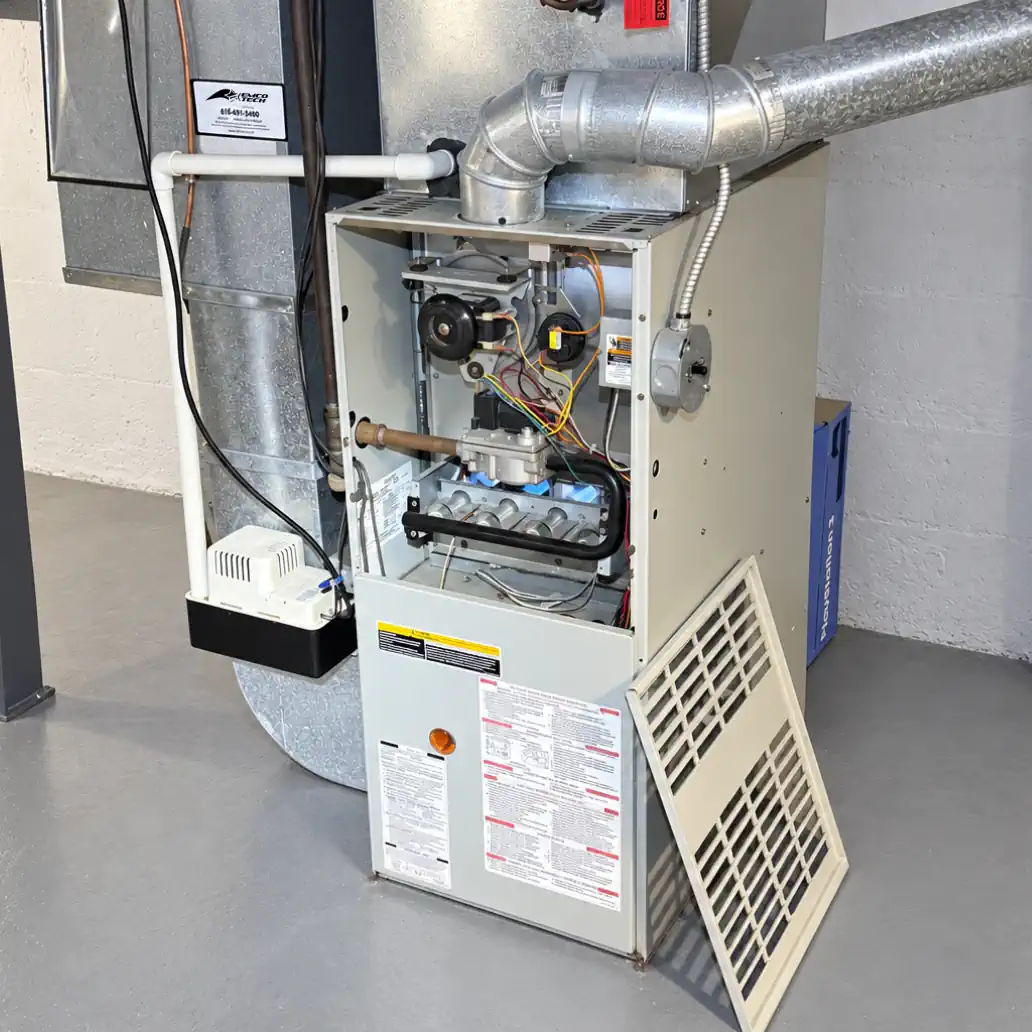
3. It Needs Repairs Every Winter
One repair isn’t a warning sign. A new repair every season is. When ignitors, flame sensors, inducer motors, and control boards start failing one after another, the furnace is wearing out as a whole, and those repair bills add up quickly. If you’ve had two or more major repairs in the last two years, it’s time to compare repairing against replacing.
4. A Yellow or Flickering Burner Flame
A healthy gas burner flame is mostly blue with steady, even flames. A yellow, orange, or lazy flickering flame means the gas isn’t burning cleanly, which can come from dirty burners, a venting problem, or a cracked heat exchanger. Incomplete combustion produces more carbon monoxide, so a yellow flame is one of the signs that deserves a service call right away, not at the next tune-up.
5. Soot, Rust, or Water Around the Furnace
Black soot around the burner opening, on the vent pipe, or at your supply registers is a combustion warning. Rust on the cabinet, flue pipe, or heat exchanger means moisture is eating the furnace from the inside. Water pooling under a high-efficiency furnace can be a simple condensate drain clog, but on older furnaces it can also point to a failing secondary heat exchanger. Scorch marks near the burners are a sign of flame rollout, which needs immediate service.
6. Headaches, a CO Alarm, or Burning Smells
If people in the house get headaches, nausea, or flu-like symptoms that ease up when they leave, take it seriously, because those are classic signs of carbon monoxide exposure. A carbon monoxide alarm going off means get everyone out and call 911. A burning electrical smell, or a dusty smell that doesn’t fade after the first few minutes of the season, means a motor, wire, or component is overheating. The CDC’s carbon monoxide guide lists the symptoms to know.
7. Strange Noises
Banging, booming, squealing, scraping, or rattling sounds usually mean a worn blower motor, loose panels, a failing inducer motor, or delayed ignition. A loud boom when the burners light is the one to act on fast. We cover each sound and what it means in our guide to a furnace making noise.
8. Uneven Heat or Cold Air
Rooms that never warm up, or vents that blow cool air for long stretches, can mean a weakening blower, ignition trouble, or ductwork losing heat on the way. Our guide to a heater blowing cold air walks through the causes.
9. Short Cycling
A furnace that turns on and off every few minutes without warming the house is either overheating, losing its flame signal, or oversized for the home. Short cycling wears out parts quickly and is often the first sign of a bigger failure. See furnace keeps shutting off for the common causes.
10. Dust, Dry Air, and Poor Air Quality
More dust settling on furniture, stuffy rooms, and very dry air in winter can mean a furnace with a worn blower, failing seals, or leaky return ducts pulling in dust from the basement or crawl space. On older furnaces, these indoor air problems tend to show up alongside the other signs on this list.
Spotting More Than One of These Signs?
Have a technician check it before the first cold snap. We'll tell you honestly whether it needs a furnace repair or a replacement, with the price before any work starts.
Signs Your Furnace Is Going to Explode? What’s Actually Dangerous
A modern gas furnace exploding is very rare, because it has several safety controls that shut off the gas when something isn’t right. The real dangers are gas leaks, carbon monoxide, and fire, and they come with warning signs you can watch for:
- A gas or rotten egg smell. Leave the house immediately and call your gas utility from outside, PGW in Philadelphia or PECO in most of the suburbs. Don’t flip switches or use the thermostat on the way out.
- A loud boom when the burners light. That’s delayed ignition: gas builds up for a moment before it lights. It can crack the heat exchanger and needs service right away.
- Scorch marks or soot near the burners. These point to flame rollout or incomplete combustion.
- A carbon monoxide alarm or CO symptoms. Get everyone out and call 911.
- A cracked heat exchanger. Technicians find these during inspections. Learn what to look for in our guide to a cracked heat exchanger.
If you notice any of these, turn the furnace off at the thermostat and call for service. Our furnace gas smell guide explains what to do step by step. Every home with a gas or oil furnace should also have working carbon monoxide alarms on each floor.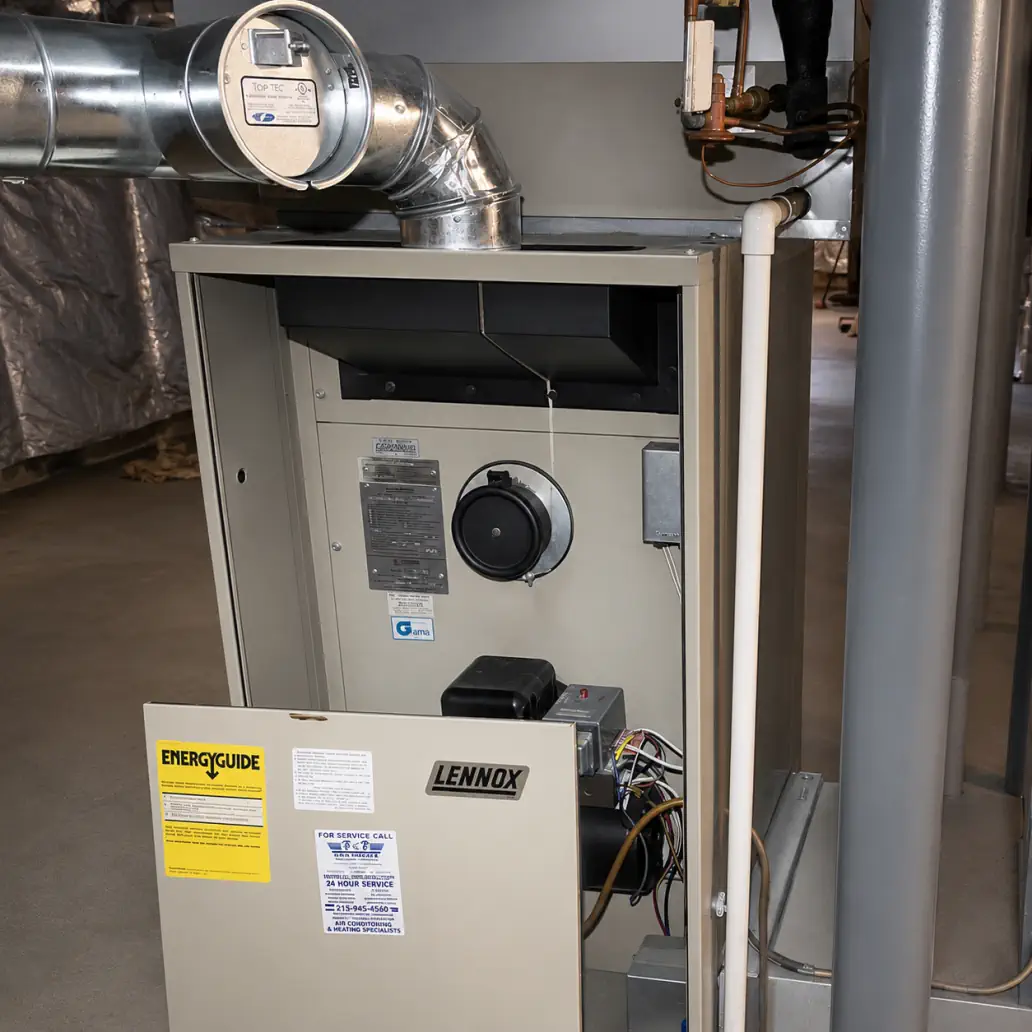
Repair or Replace a Failing Furnace?
Not every warning sign means you need a new furnace. A single failed part on a 10-year-old furnace is usually a repair. Our rule of thumb: if the furnace is 15 or more years old, or a single repair would cost more than a third of a new system, replacement usually makes more sense. Safety problems like a cracked heat exchanger or failing venting can tip the decision even on a younger furnace.
For repairs, see our gas furnace repair, oil furnace, and electric furnace repair services. If it’s time for a new system, our gas furnace installation and heating replacement teams take it from there, and our guide to signs it’s time for a new heating system covers the decision in more depth.
Why Furnaces Fail Faster in Older Philadelphia Homes
Many furnaces across Philadelphia and the older suburbs were installed into ductwork and venting designed for a different system. Undersized returns make furnaces overheat, shared or unlined chimneys cause venting and condensation problems, and basement furnaces in rowhomes often sit in damp spaces that speed up rust. A furnace that’s never had a yearly tune-up also loses years of life to dirty burners and worn parts. A winter heater tune-up catches most of these problems early, and the U.S. Department of Energy recommends yearly service for fuel-burning heating systems.
Seeing Signs Your Furnace Is Failing? Get It Checked Before Winter
EMCO Tech inspects, repairs, and replaces gas, oil, and electric furnaces across Philadelphia, Montgomery, Bucks, Chester, and Delaware counties. We tell you honestly whether your furnace has years left or is ready for retirement, give you the price before any work starts, and offer free written estimates and financing on new systems. Call 215-366-1001 or book online.
Furnace Warning Signs FAQs
The most common signs a furnace is going out are age past 15 years, heating bills that keep rising, repairs needed every winter, a yellow or flickering burner flame, soot or rust around the furnace, strange banging or squealing noises, rooms that won’t warm up, and a furnace that turns on and off every few minutes. One sign by itself usually points to a repair. Several at once, especially on an older furnace, usually mean it’s near the end of its life. A technician can inspect the heat exchanger, burners, blower, and venting and tell you whether it’s worth repairing or time to replace it.
A modern gas furnace exploding is very rare, because it has safety controls that shut off the gas when the flame, venting, or temperature isn’t right. The real risks are gas leaks, carbon monoxide, and fire. Warning signs include a gas or rotten egg smell, a loud boom when the burners light (delayed ignition), scorch marks or soot near the burners, and a carbon monoxide alarm. If you smell gas, leave the house and call your gas utility from outside, PGW in Philadelphia or PECO in most of the suburbs. For a boom at startup or scorch marks, turn the furnace off at the thermostat and call for service right away.
Most gas furnaces last about 15 to 20 years, and some go longer with consistent yearly maintenance. Oil furnaces have a similar lifespan when they’re cleaned and serviced every year, since soot buildup shortens their life quickly. Electric furnaces have no combustion and often last 20 to 30 years. Lifespan depends heavily on installation quality, correct sizing, ductwork, and how often the furnace was serviced. Furnaces in damp basements or connected to undersized ductwork tend to wear out sooner. You can find the manufacture date on the data plate inside the furnace door, or a technician can decode it from the serial number during a visit.
A broken furnace usually stops heating completely or shows a safety problem, while a furnace that needs repair still runs but runs poorly. If the furnace won’t start, blows cold air the whole time, or keeps locking out, a single failed part like an ignitor, flame sensor, or pressure switch is often to blame, and that’s a repair. Signs of a furnace near the end of its life are different: rust and corrosion, a cracked heat exchanger, repeated major part failures, and steadily rising bills. A diagnostic visit tells you which one you’re dealing with, and at EMCO Tech you get the price before any work starts.
It can be. A gas furnace flame should be mostly blue and steady. A yellow, orange, or flickering flame means the gas isn’t burning completely, which produces more carbon monoxide. Common causes include dirty or clogged burners, poor combustion air, a blocked or failing vent, and a cracked heat exchanger that lets air disturb the flame. A yellow flame doesn’t always mean an emergency, but it shouldn’t wait until next season. Make sure your carbon monoxide alarms are working, and schedule a service call so a technician can clean the burners, test combustion, and inspect the heat exchanger and venting.
Yes. A furnace that’s burning poorly, venting improperly, or running with a cracked heat exchanger can leak carbon monoxide into your home. CO has no smell or color, so the only reliable warning is a working carbon monoxide alarm on every floor, especially near bedrooms. Symptoms of exposure include headaches, dizziness, nausea, fatigue, and flu-like feelings that improve when you leave the house. If your alarm sounds or several people feel sick at once, get everyone outside and call 911. Yearly furnace inspections are the best way to catch the cracks, blockages, and combustion problems that cause carbon monoxide leaks before they become dangerous.
Replacement usually makes sense when the furnace is 15 or more years old, a single repair would cost more than a third of a new system, or it has needed several major repairs in the last two seasons. Safety problems like a cracked heat exchanger, failing venting, or heavy rust can make replacement the right call even on a younger furnace. Rising energy bills matter too, since a new high-efficiency furnace can use noticeably less fuel than an aging 80% model. We give you honest repair and replacement options side by side, with a free written estimate for a new system, so the decision is yours.
Not automatically, but you should start planning for one. A 20-year-old furnace that still runs safely and efficiently can keep going, especially if it has been serviced every year. The problem is that it’s past its expected lifespan, parts are harder to find, and a major failure is more likely to happen in the middle of a cold snap. Replacing an old furnace on your schedule in the fall is easier and often less expensive than an emergency replacement in January. A yearly inspection tells you how much life it has left, and a free estimate shows what a replacement would involve.
Furnace Repair & Replacement Services
Gas Furnace Repair
Ignitors, flame sensors, inducer motors, and control boards fixed by licensed technicians.
Gas Furnace Installation
High-efficiency furnaces sized to your home, with free written estimates.
Oil Furnace Service
Repair, yearly cleaning, and replacement for oil-fired furnaces.
Electric Furnace Repair
Heating elements, sequencers, and blower motors repaired fast.
Heating Replacement
Furnaces, boilers, and heat pumps replaced before the next breakdown.
Winter Heater Tune-Up
Catch failing parts and safety problems before the first cold night.

HVAC Maintenance Calendar for Greater Philadelphia Homes
EMCO Tech Heating & Cooling runs these visits across Montgomery County, Philadelphia, Bucks County, Chester County, and Delaware County. If the system still runs, this page tells you when to book. If it already quit, skip to repair. The difference matters more than the word “maintenance.”
When to Schedule HVAC Maintenance in the Philadelphia Area
Two professional visits a year in this climate. Heat in late August through October, before the first overnight in the 30s. Cooling in March through April, before the first stretch of 80s and the pollen film on the condenser.
Everything else is yours: filters, clearance around the outdoor unit, vents that a sofa should not be sitting on. A tune-up is for a system that still starts. No heat, no cool, a breaker that will not hold, a carbon monoxide alarm, or the smell of gas is a repair. Do not put those on this calendar.
The current heater number lives on the winter heater tune-up page. The current cooling number lives on the spring AC tune-up page. A plan that reminds you twice a year is on HVAC service agreements. Call 215-366-1001 if you already know which visit you need.
This page is a calendar. It is not the dictionary.
People type “HVAC maintenance,” “HVAC tune-up,” and “furnace tune-up” as if they were one errand. Technicians do not. The short version: a furnace tune-up is the combustion and airflow visit on forced-air heat. Heating maintenance is that visit plus boilers and heat pumps in heating mode. An HVAC tune-up, in honest shop language, is both seasons. The page that keeps those words from eating each other is the HVAC tune-up guide. Use that when you need the definition. Use this page when you need the month.
| What you have | When we want the truck | The page that books it |
| Gas, oil, or electric furnace | Once, late summer or early fall | Heating maintenance · winter heater special |
| Boiler, steam, or radiant | Once, before heat season. Steam is not a furnace with extra pipes. | Boiler maintenance |
| Heat pump or ductless | Twice. Heat check in fall, cooling check in spring. One visit is half a year ignored. | Heat pump maintenance · spring AC |
| Central air only | Once, March through April | Spring AC tune-up · AC maintenance |
| Furnace plus central air | Two separate visits. Do not ask one spring call to cover next January. | Service agreement holds both dates. |
Oil heat is on a tighter leash than gas. Nozzles and filters do not wait for your memory. If the tank still feeds the house and you are not converting, book the oil visit on the heating page and do it early. If you are done with deliveries, that is a different job: switching to natural gas.
The year, month by month
Philadelphia-area weather is not a gentle sine wave. It is humidity that sits on coils in July and a dry cold that finds every cracked heat exchanger in January. The grid is written for Montgomery County, Philadelphia, Bucks County, Chester County, and Delaware County — Willow Grove to West Chester, Abington to Doylestown, Northeast Philadelphia to Media.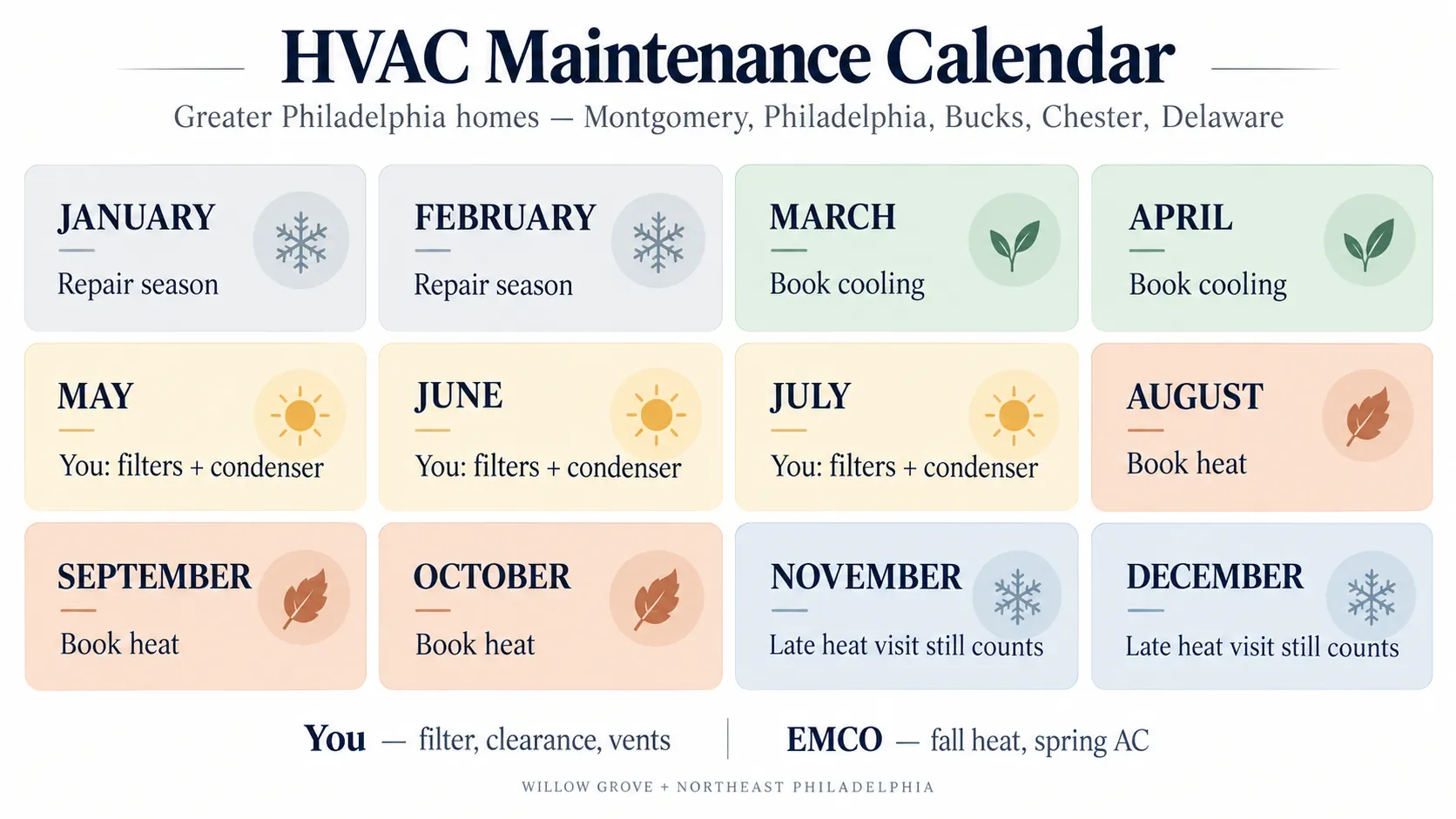
| Month | What you do | When to call EMCO |
| January | Change the filter if it has been 30–60 days. Keep returns clear. Listen. Short-cycling and a new rattle are not “the house settling.” | This is repair season. A tune-up now is still better than silence, but the calendar already missed its cheap window. No heat → heating repair, not this page. |
| February | Same as January. After a polar dip, look at the outdoor unit if you have a heat pump: ice that never clears is a defrost problem, not a weather report. | Heat pump AUX running for days is a bill, not a strategy. See heat pump maintenance or repair. |
| March | Pull leaves and winter grit off the condenser. Replace the filter before cooling season. Run the AC for fifteen minutes on a mild afternoon and note whether the air is actually cold. | Book the cooling visit. March through mid-April is the honest spring window. Wait for the first heat wave and you wait with everyone else. |
| April | Pollen lands on every outdoor coil from Horsham to Bensalem. Rinse the cabinet exterior if you can reach it. Do not fold the fins with a pressure washer. | If March slipped, book April. After Memorial Day the board fills with no-cool calls. |
| May | Vents open. Furniture off the returns. Condensate line should be dripping, not staining a ceiling. | Only call for maintenance if you still have no spring ticket. Otherwise this month is for the problems a missed visit already created. |
| June | Filters take a beating in humidity. A musty smell at start-up is a coil and drain conversation, not a candle problem. | Tune-ups in June are late. Repairs are on time. Book AC repair if the house will not drop. |
| July–August | Give the condenser two feet of air. Grass clippings against the coil are how a healthy compressor dies in a heat dome. | Late August is the first honest week to book fall heat. Do it before school nights and the first 40-degree forecast. |
| September | This is the month. Test heat on a cool morning. A brief dust smell on first fire is common. A rotten-egg smell is not — leave and call. | Book the heating visit. September is the shop’s cleanest calendar and the last month most warranties would call “before season.” |
| October | Bleed a radiator if you have hydronic heat and one room is a museum of cold. Cover the window AC if you still use one. Do not cover a heat pump. | Still book heat. First frost is not a personality test for the furnace. |
| November | Filters again. Carbon monoxide detectors get batteries whether the house “feels fine.” | If you skipped September, book now and say so. A late visit still beats a January no-heat. |
| December | Keep the outdoor unit clear of snow and holiday boxes. Do not shovel against a heat pump coil. | Holiday weeks are for systems that already failed. If yours still runs, you are not late enough to panic — you are late enough to put January on the card. |
Need the fall slot on the books? Call 215-366-1001 or use the winter heater tune-up. Cooling: spring AC tune-up.
September is the heating month. Put it on the board.
A tune-up is for a system that still starts. Book fall heat now — late August through October — across Montgomery County, Philadelphia, Bucks County, Chester County, and Delaware County. Heat pumps still need the spring half. That date lives on a plan.
Book Heater Tune-Up Hold Both SeasonsThe house you actually live in
A calendar that pretends every property is a two-story colonial with a basement mechanical room is writing for a brochure. This region is not that brochure.
Row homes and tight mechanical closets
Northeast Philadelphia, Manayunk, South Philadelphia, older stretches of Norristown and Chester: the equipment often sits in a closet that was never designed for a modern cabinet. Filters clog faster because the return path is short and the house is tight. Steam and hot-water boilers still heat a lot of these blocks. If you have radiators, your fall visit is a boiler visit. Do not book a “furnace special” and hope the tech brings a different truck.
Suburban forced air
Willow Grove, Abington, Horsham, Dresher, Warminster, Doylestown, West Chester, Media: longer duct runs, finished basements, additions that were never tied into the original return. The calendar is the same. The failure mode is different — one room that never catches up, a return buried behind a new wall. Mention the addition when you book. A tune-up that never looks at airflow is a ritual, not a service.
Heat pumps in a 4A climate
This is IECC Climate Zone 4A, mixed-humid — not a mountain town. A modern inverter heat pump can carry most winter nights here. Auxiliary electric heat should be a guest, not the landlord. If AUX ran all last January, the fall visit is not optional, and you may be past maintenance and into planning a heat pump replacement. That is a different conversation. Do not put it on a filter reminder.
What you can do without pretending you are the technician
You can change a filter. You can keep a condenser from becoming a hedge. You can run the system for a quarter hour in the shoulder season and notice whether anything is wrong. You cannot inspect a heat exchanger, set a gas valve, weigh in refrigerant, or decide a cracked section is “probably fine.” Those are how houses get stories that start with “we thought it could wait.”
Between visits, the only homework that consistently pays: filter on a 30-to-90-day rhythm (pets and pollen shorten it), outdoor unit clear, thermostat not fighting a lamp or a sunny stair. If you want the definition of a professional visit — combustion, coils, safeties — read the tune-up guide or the heating maintenance service page. This calendar will not reprint that list so Google can watch two URLs argue.
When this calendar is the wrong page
- No heat, no cool, water on the floor, a breaker that trips, a CO alarm, or gas odor. That is emergency HVAC or the matching repair page. A tune-up assumes the machine still answers.
- You want the price of this season’s special. Heating: winter heater tune-up. Cooling: spring AC tune-up.
- You want someone else to remember both seasons. That is a service agreement, not a calendar you will screenshot and forget.
- The building is a restaurant, school, medical office, or apartment stack. Frequency changes. Start at commercial HVAC maintenance plans.
- You are converting oil or electric to gas. Maintenance will not make the tank disappear. Use switching to natural gas.
Why the date on the card is the whole argument
Manufacturers write annual professional service into the warranty because neglected equipment fails in ways that look like “defects” on a claims form. The ticket from the visit is the record. Keep it. A shop that cannot tell you what it did last fall is asking you to trust a feeling.
The other argument is quieter. A capacitor that would have been flagged in April becomes a dark house in July. A flame sensor that would have been cleaned in September becomes a family in a hotel in January. Nobody experiences “preventive maintenance.” They experience the night it did not happen.
If you want the dates held for you, the plan is the tool. Silver, Gold, and Platinum live on the service agreements page. If you want one visit this week, call 215-366-1001 and say furnace, boiler, heat pump, or AC. The person who answers should not have to guess which season you meant.
Questions people type before they pick up the phone
When should I schedule HVAC maintenance in the Philadelphia area?
Heat: late August through October. Cooling: March through April. Heat pumps get both. That timing is for Montgomery County, Philadelphia, Bucks County, Chester County, and Delaware County — not a national blog’s idea of “fall.”
Can I skip a year if the system “seems fine”?
Seeming fine is how most no-heat calls begin. The parts that fail in January spent November getting ready. Skip a year if you like paying peak-season rates for a failure you could have read on a clipboard in September.
What if I missed September?
Book October. Book November. Book the first open morning in December if you have to. A late tune-up is still a tune-up. Waiting for a breakdown so the visit “feels justified” is how the calendar loses.
Is January a good month for a tune-up?
It is a good month for a repair. If the system still runs and you have no ticket from fall, take the appointment anyway. Do not pretend January was the plan.
Do I follow the same calendar in a row home and a suburban house?
The months are the same. The equipment often is not. Radiators mean a boiler visit. A closet furnace and a long duct run mean airflow gets named out loud when you book. Tell us the house, not just the zip.
Where do I go if I only wanted the checklist?
Definitions and what’s on a professional visit: HVAC tune-up guide. Fall timing and first-heat smells: when to get a heater tune-up. Furnace-only: furnace tune-up in Philadelphia
Put a month on it
The useful sentence is short. Book heat before the first hard freeze. Book cooling before the first week you cannot sleep. Keep the filter. Keep the condenser visible. Call when the machine is still willing to start.
EMCO Tech Heating & Cooling — Willow Grove and Northeast Philadelphia — serving Montgomery County, Philadelphia, Bucks County, Chester County, and Delaware County. 215-366-1001.

Benefits of Whole House Steam Humidifier and Bypass Water Humidifier
Indoor Air Comfort with Whole House Steam Humidifier and Bypass Water Humidifier
Let’s look into the advantages of using a whole house steam humidifier or a bypass water humidifier: Dry air can cause significant discomfort and health issues, especially during the cold winter months when heating system is running. You may feel your skin getting dry and itchy, your nasal passages irritated, and your floors creaking. These are some of the common signs of low indoor humidity that should not be ignored. A steam humidifier can help maintain the balance of moisture throughout your home, reducing the risk of illnesses from bacteria and mold spores that thrive in dry environments. Similarly, a bypass humidifier effectively addresses dry air, making you less sensitive to dust mite and mold allergens. These allergens can trigger eye and nose irritation, coughing, and asthma-like symptoms. To avoid these problems and improve the quality or indoor air, it is essential to maintain adequate humidity levels.
Still deciding whether you need to add or remove moisture? Read our guide on humidifiers vs. dehumidifiers first.
Steam Humidifier vs Bypass Humidifier - Side-by-Side Quick Comparison (2026)
| Feature | Steam Humidifier | Bypass / Flow-Through |
|---|---|---|
| Humidity Output | Highest – up to 34+ gallons/day | Good – 12–18 gallons/day |
| Works without furnace running? | YES – independent operation | No – needs furnace blower |
| Best for large/dry homes | ✓ Excellent | Moderate |
| Energy use | Higher (electric boiling) | Very low |
| Up-front cost | $$–$$$ | $–$$ |
| Maintenance | Replace canister 1–2× per year | Replace pad yearly |
Premium Steam Humidifiers - Top Choice of Philadelphia Area Homeowners in 2025–2026
- Fastest humidity recovery after dry cold snaps
- Works with heat pumps & variable-speed furnaces (perfect for newer homes)
- No standing water = lower mold risk
- Precise control with Carrier Humiditrac™ automatic humidity sensing
Bypass Water Humidifiers (Flow-Through) - Still the Smart Budget Option
- Super quiet operation
- Uses almost no electricity
- Easy pad change once a year
- Perfect for homes under 3,500 sq ft with standard gas furnace
Carrier Models EMCO Tech Installs Daily
Carrier Performance™ Steam Humidifier – electrode technology, replaceable canister, 10-year parts warranty when registered.
Carrier Large Bypass Humidifier – treated aluminum pad, whisper-quiet, up to 18 gallons/day.
Get a Free Estimate for a Whole House Steam and Bypass Water Humidifier
Our indoor air quality accessories come with our famous 10-year parts + labor warranty when you bundle with a new HVAC system and maintenance plan. Call EMCO Tech at 215-366-1001 or book online for your FREE whole-house humidifier estimate in Willow Grove, Philadelphia, Abington, Horsham, Warminster, Doylestown, and surrounding areas.
Ready to install? See our full whole-home humidifier installation and service options for Philadelphia-area homes.
Carrier Models EMCO Tech Installs Daily
Carrier Performance™ Steam Humidifier – electrode technology, replaceable canister, 10-year parts warranty when registered.
Carrier Large Bypass Humidifier – treated aluminum pad, whisper-quiet, up to 18 gallons/day.
Need humidifier installation near me? EMCO Tech provides quick, reliable service to keep your home’s air balanced and comfortable.
Continue reading to learn more about the two most common humidifier types in the average home or office: the steam humidifier and the flow-through humidifier (evaporative humidifier).
Consider Purchasing a Whole-House Humidifier
Installing a humidifier is one of the best ways to ensure healthy lungs and skin during winter. One of the best solutions to combat dry air is to install a humidifier in your HVAC system. A humidifier adds moisture to the air as it circulates through your ductwork, creating a more comfortable and healthy indoor environment.
Understanding Whole House Steam and Water Humidifiers
Unlike portable humidifiers that need constant refilling with tap water, a central humidifier connects to your plumbing system. Moreover, it automatically adjusts the humidity level according to your preference. Central humidifiers come in various models, sizes, and installation styles, which impact costs. Nevertheless, the use of a humidifier is similar to all models. A central air humidifier is integrated into a forced-air heating system to humidify air as its heated. Unlike portable humidifiers requiring refills, a central humidifier receives water automatically from household plumbing.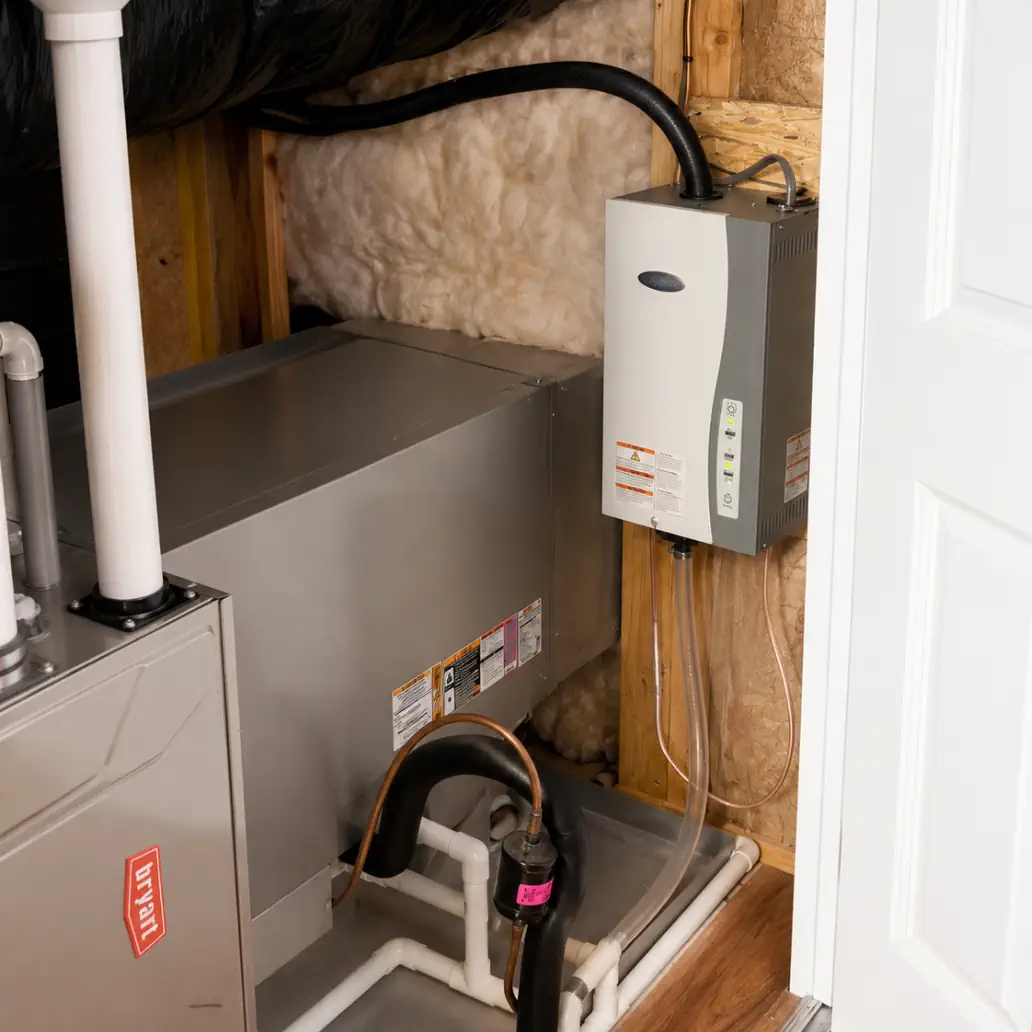
Find HVAC Contractors for Efficient Whole-House Humidifiers Installation
At EMCO Tech, we are experts in installing and maintaining central humidifiers for homes and offices locally. We can help you choose the right type and size of humidifier for your space and budget. Contact us today to find out more about our services and products. Please contact us today if you’re interested in learning more about our central humidifiers.
Types of humidification equipment:
There are two main types of central humidifiers: steam humidifiers and flow-through humidifiers (also known as evaporative humidifiers). Both types of humidifiers can help alleviate dry air symptoms and improve indoor air quality during winter months. Additionally, they have some differences in how they work and what they require.
Steam Based Models
A Steam humidifier uses electricity to boil water and create steam, which is then injected into the air stream of your HVAC system. Steam humidifiers are very effective and can produce a lot of humidity in a short time. They also do not depend on the operation of your furnace, so they can work all year round. However, steam humidifiers are more expensive to buy and install, and they consume more energy than other types of humidifiers. They also require regular cleaning and maintenance to prevent mineral buildup and bacterial growth.
Bypass Water Based Models
Flow-through humidifiers use water from your plumbing system to moisten a pad or filter, which is then exposed to the warm air from your furnace. The air evaporates some of the water from the pad or filter, increasing the humidity level. Flow-through humidifiers are cheaper and easier to install than steam humidifiers, and they use less energy. They also do not have a water reservoir that can harbor dust mites or mold, making them more hygienic. However, flow-through humidifiers only work when your furnace is running, so they may not provide enough humidity during mild weather. They also waste some water that drains out of the system after each cycle.
Need Humidifier? Explore Your Options.
Find ductless heating and cooling options for your home.
Steam Humidifiers
Whether you’re battling dryness in your home or office or want to create a comfortable environment, the steam humidifier can help you achieve humid indoor air.
A steam humidifier uses an internal humidistat to detect moisture in the air. When moisture levels drop, the humidifier heats water in a reservoir, converting it to steam. Your furnace slowly disperses the steam throughout your home. Humidity begins to increase to a noticeable degree.
A steam humidifier designed for HVAC applications is a user-friendly device that is ideal for adding humidity to your ventilation system. The device uses an electric current to heat the water, bringing it to the boiling point and producing a warm and steamy mist that keeps your home or office well-hydrated, especially during long and dry winters.
Whole house steam humidifier incorporates a built-in timer feature that can be programmed to operate as per requirement. It also boasts of a capacious tank, requiring infrequent refills, and offers superior humidity control, compared to other models. Steam-based humidifiers present a low risk of mold, ensure efficient energy usage, and entail minimal maintenance costs, thereby rendering it a cost-effective option.
Although furnace heat is required for a steam humidifier, humid air feels warmer, so you may feel more comfortable at lower temperatures when the humidifier operates.
You can browse steam humidifiers we offer here: Carrier Humidifiers.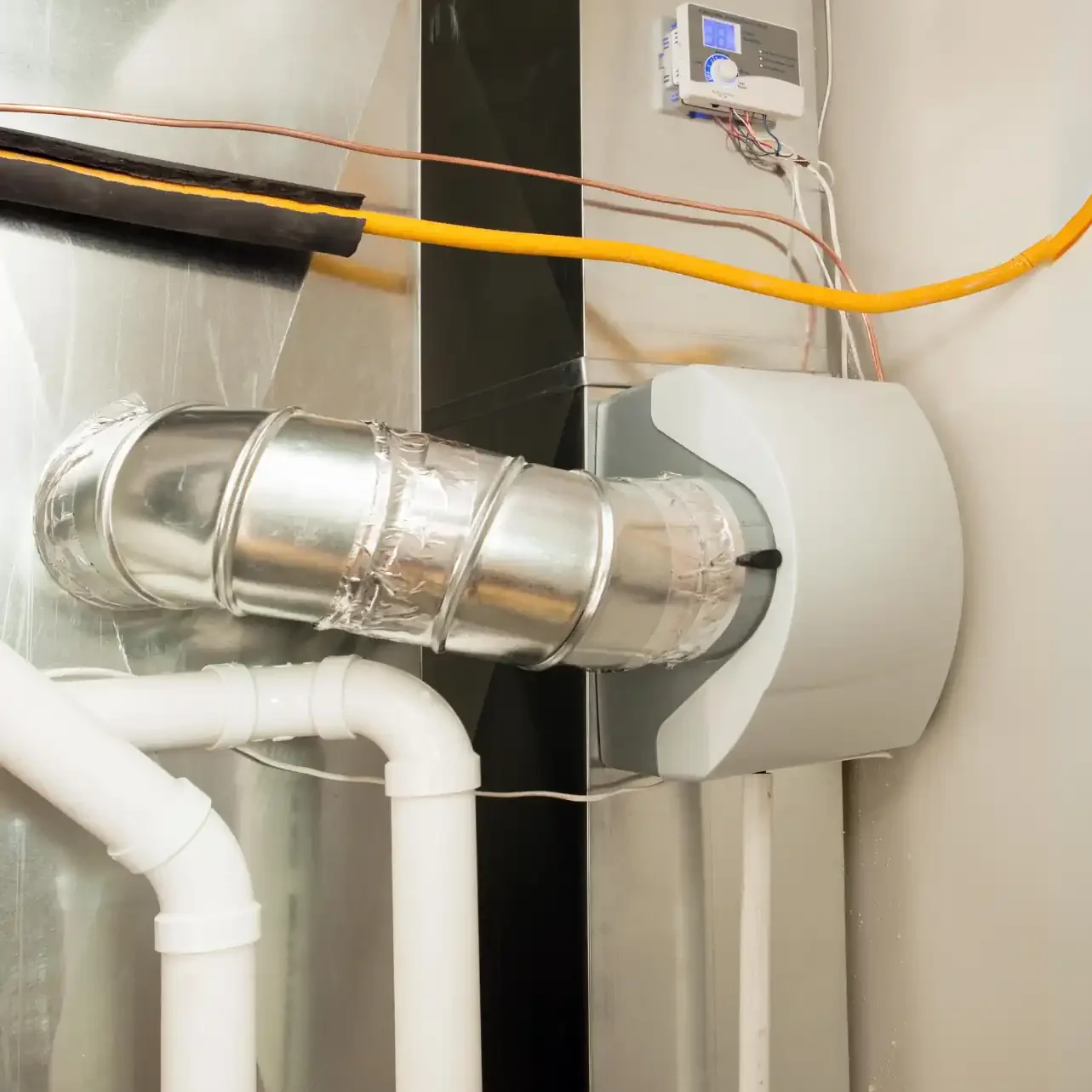
Water Humidifiers (Flow Through Bypass Humidifiers)
A flow-through humidifier uses an evaporator pad and warm air to humidify the air. The humidifier is mounted onto a furnace and requires fresh water to flow through the system. The water gradually drains away. A steam humidifier offers many advantages, but some may prefer the benefits of a flow-through model:
- Flow-through humidifiers are reliable and rarely fail
- The absence of a central reservoir is potentially more hygienic than steam humidifiers
- Flow-through humidifiers usually consume less electricity than steam humidifiers
A flow-through humidifier is often the best choice for most customers, depending on your home’s size and heating needs.
You can browse water humidifiers we offer here: Carrier Humidifiers.
EMCO Tech Introduces the Carrier Steam Humidifier
EMCO Tech Heating and Cooling proudly offers Carrier’s innovative electrode steam humidifier, enhancing indoor air quality through your HVAC system. This advanced unit replaces traditional heating elements with electrodes, efficiently generating steam to maintain optimal humidity. Its unique dispersion tube ensures even steam distribution and condensation management. The system is easy to maintain with a replaceable canister, eliminating cleaning needs. It’s versatile, supporting various voltages and installation options, and works well in different water conditions without requiring filtration.
Key Features:
- Efficient electrode steam generation
- Easy maintenance with replaceable canister
- Flexible installation and voltage compatibility
- Advanced steam dispersion technology
- Comprehensive accessory kit included
Upgrade your indoor air comfort with EMCO Tech Heating and Cooling Carrier electrode steam humidifier.
Upgrade Your Home’s Air with the Innovative Carrier Bypass Water Humidifier
Discover the unparalleled comfort and efficiency of Carrier Large Bypass Humidifier, proudly offered by EMCO Tech Heating and Cooling. This advanced humidification system promises not just to enhance the quality of the air you breathe but also to elevate your overall home living experience. Enjoy the myriad benefits of perfectly balanced humidity: from breathing ease, energy cost savings, reduced static electricity, to extended preservation of your wood furniture integrity.
Distinguished by its energy-efficient operation, the Carrier Large Bypass Humidifier capitalizes on your furnace’s blower to distribute moisture more effectively than traditional fan-powered units. Its compatibility with Carrier’s range of products guarantees an optimized performance for a cohesive whole-home comfort solution.
Unique Features:
- Effortless maintenance with easy-to-change water panel
- Whisper-quiet operation, ensuring undisturbed peace
- Robust and attractive casing designed for longevity
- Superior moisture distribution for consistent indoor comfort
- Premium treated aluminum water panel for peak efficiency
- A generous 10-year parts limited warranty for registered equipment (default 5 years if not registered within 90 days, with an automatic extension to 10 years in specific jurisdictions)
Step into a world of enhanced indoor air quality and comfort with the Carrier Large Bypass Humidifier, brought to you by EMCO Tech Heating and Cooling – your gateway to advanced home climate control.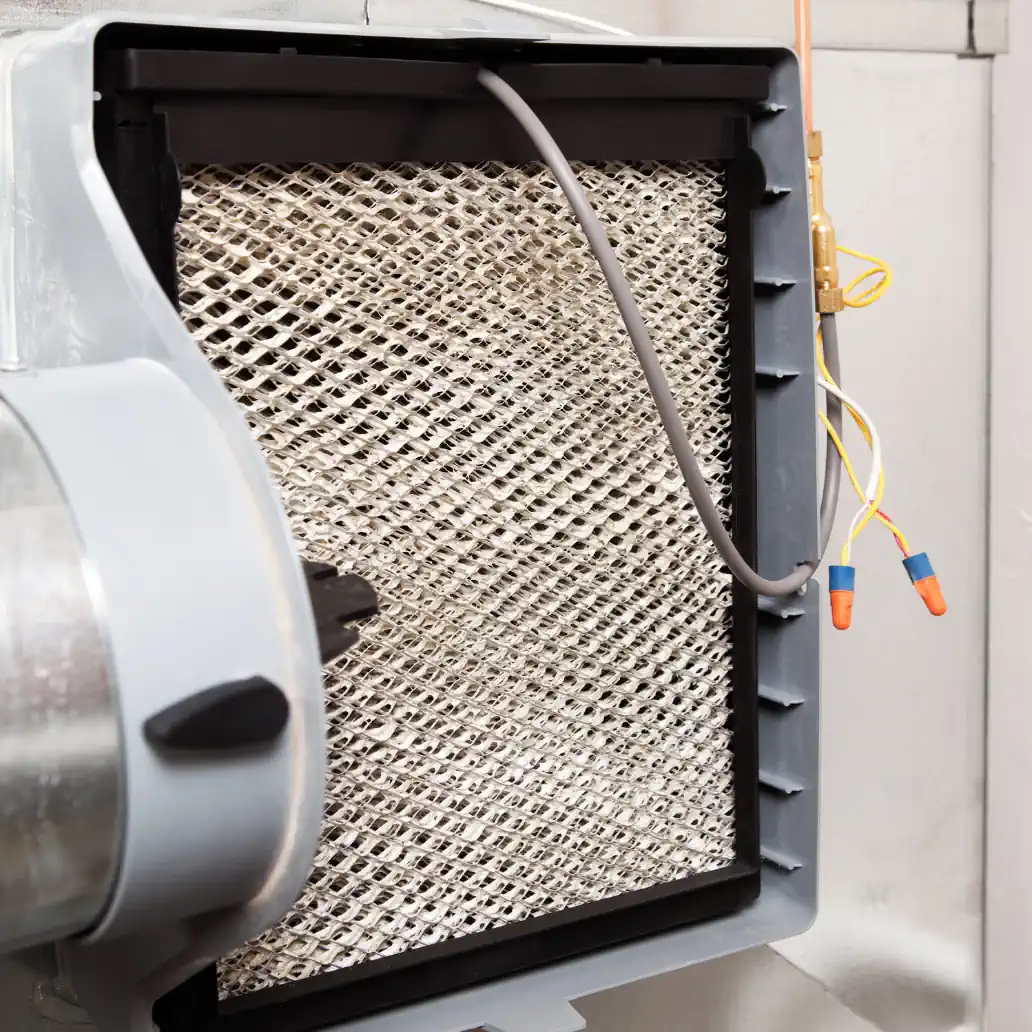
Choose The Right Humidification Device for Your Central Air Conditioning & Heating System
No matter what type of humidifier you choose, sound installation and maintenance are essential to ensure long-term performance and value for your money.
Without adequate humidification, home or office environments that are air-conditioned during the summer and heated in the winter may suffer from low humidity and dry indoor air. The professionals at EMCO Tech team install and maintain all types of humidifier systems. Call us now to discuss the best humidifying option for your needs!
Whether you choose a steam humidifier or a flow-through humidifier, you can enjoy the benefits of moist air in your home or office. Moist air soothes irritated airways, eases dry skin and creaking floors, reduces allergens and infections, and makes you feel more comfortable. Installing a central humidifier in your HVAC system is an effective way to ensure healthy lungs and skin during the winter months.
Contact us today to get a free quote and advice on a new humidifier and other Indoor Air Quality Products 215-366-1001.
Steam and Water Humidifiers FAQ
Steam humidifiers boil water to create clean, controlled steam that’s injected directly into the HVAC airflow. Bypass humidifiers use warm furnace air to evaporate water through a pad.
Steam models deliver higher output, work even when the furnace is not running, and provide the most precise humidity control. Bypass units are more affordable, simpler, and energy-efficient, but depend on furnace operation.
A bypass humidifier pulls warm air from your furnace, passes it through a moisture-soaked evaporator pad, and sends humidified air back into the duct system.
It has no standing water, drains after each cycle, and requires minimal maintenance. Because it works only when the furnace blower runs, humidity output is lower than steam.
Steam units provide the strongest humidity boost, faster response, and the most consistent whole-home coverage. They work with any HVAC system and don’t rely on furnace heat.
Evaporative models are quieter, less expensive to operate, and ideal for small to medium homes. The “better” choice depends on home size, dryness level, and desired control.
Yes. Steam humidifiers are designed to integrate with most forced-air heating systems. They inject steam directly into the supply duct, allowing consistent humidity even at low heating demand.
Many homeowners pair steam humidifiers with variable-speed furnaces for the most stable comfort.
Absolutely. Proper humidity reduces static electricity, protects hardwood floors and furniture, helps soothe dry skin and sinuses, and makes indoor air feel warmer and more comfortable in winter.
Steam units provide the most stable humidity levels, especially in homes with severe dryness.
Steam humidifiers require periodic canister replacement and inspection for mineral buildup. Bypass models need seasonal evaporator pad replacement and drainage checks.
Regular maintenance ensures efficient operation and prevents mold or mineral issues in the HVAC system.
Yes. Carrier’s electrode steam humidifier is a high-performance model designed for precise humidity control, even in large homes. It uses a replaceable canister, advanced dispersion tube, and works with a wide range of HVAC setups. EMCO Tech installs and services the full Carrier humidifier line.
Costs vary based on model type, home size, and installation conditions. Steam units are typically more expensive because they deliver higher output and require electrical connections. Bypass/evaporative units are more budget-friendly.
For accurate pricing, EMCO Tech provides free estimates for all humidifier installations.
Page updated: October 2026 by EMCO Tech Heating & Cooling – serving Philadelphia, and all of Montgomery, Bucks, Delaware & Chester Counties since 2006.
HVAC Tune-Up Guide for Philadelphia-Area Homes
EMCO Tech Heating & Cooling runs service calls across Montgomery County, Philadelphia, Bucks County, Chester County, and Delaware County. We work on gas furnaces, oil heat, boilers, heat pumps, and central air, Carrier, Lennox, Trane, York, and the other common brands already in local houses.
Quick answer
Book heating maintenance once a year before the first cold snap, late August through October in this market. A furnace tune-up is the heating half of HVAC maintenance. A heat pump needs a heating check and a cooling check. Pricing and the current heater special live on the winter tune-up page. Year-round coverage lives on the service-agreement page. This page explains the work so you book the right thing.
Call 215-366-1001 if the house is already cold. A tune-up is for a system that still runs.
Looking to get information or book a service visit?
Searching “heater tune-up” can land you on more than one article
Each article has a different intent. This page explains the visit: furnace, boiler, oil, or heat pump. The winter special is where you book the heating checkup. Service agreements are where you put heat and AC on a reminder. The table below will guide you in a right direction.
| You want… | Open this | Why |
|---|---|---|
| To understand the visit | This guide | Questions, system types, timing |
| To book a heater / furnace special | Winter heater tune-up offer | Price, checklist, schedule |
| To book an AC special | Spring AC tune-up offer | Cooling season only |
| Two visits a year on a plan | Service agreements | Silver / Gold / Platinum |
| Furnace-only how often / why | Furnace tune-up in Philadelphia | Furnace article, not this hub |
| Oil burner details | Oil heater tune-up | Nozzles, filters, soot |
| The heater is already dead | Emergency HVAC | That is a repair, not a tune-up |
Furnace tune-up vs heating maintenance vs HVAC tune-up
Homeowners use these as if they were one phrase. Technicians do not.
- A furnace tune-up is the combustion and airflow visit on a forced-air furnace, gas, oil, or electric.
- Heating maintenance is the broader heating visit: furnace or boiler or heat pump in heating mode, plus safety.
- An HVAC tune-up usually means both seasons: heat in the fall, air conditioning or heat-pump cooling in the spring.
If you search “furnace maintenance” you want the heating visit. If you search “hvac tune up” you probably want the plan that covers both. If you search “heat pump tune-up” you need a tech who will check refrigerant, defrost, and reversing valve, not just swap a filter.
The service page behind the heating visit is heating maintenance. The furnace-only explainer is furnace tune-up in Philadelphia.
What a professional tune-up includes
A real visit is a test, not a glance at the filter. Time on a standard gas furnace is usually 45–90 minutes. Boilers, oil burners, and heat pumps run longer.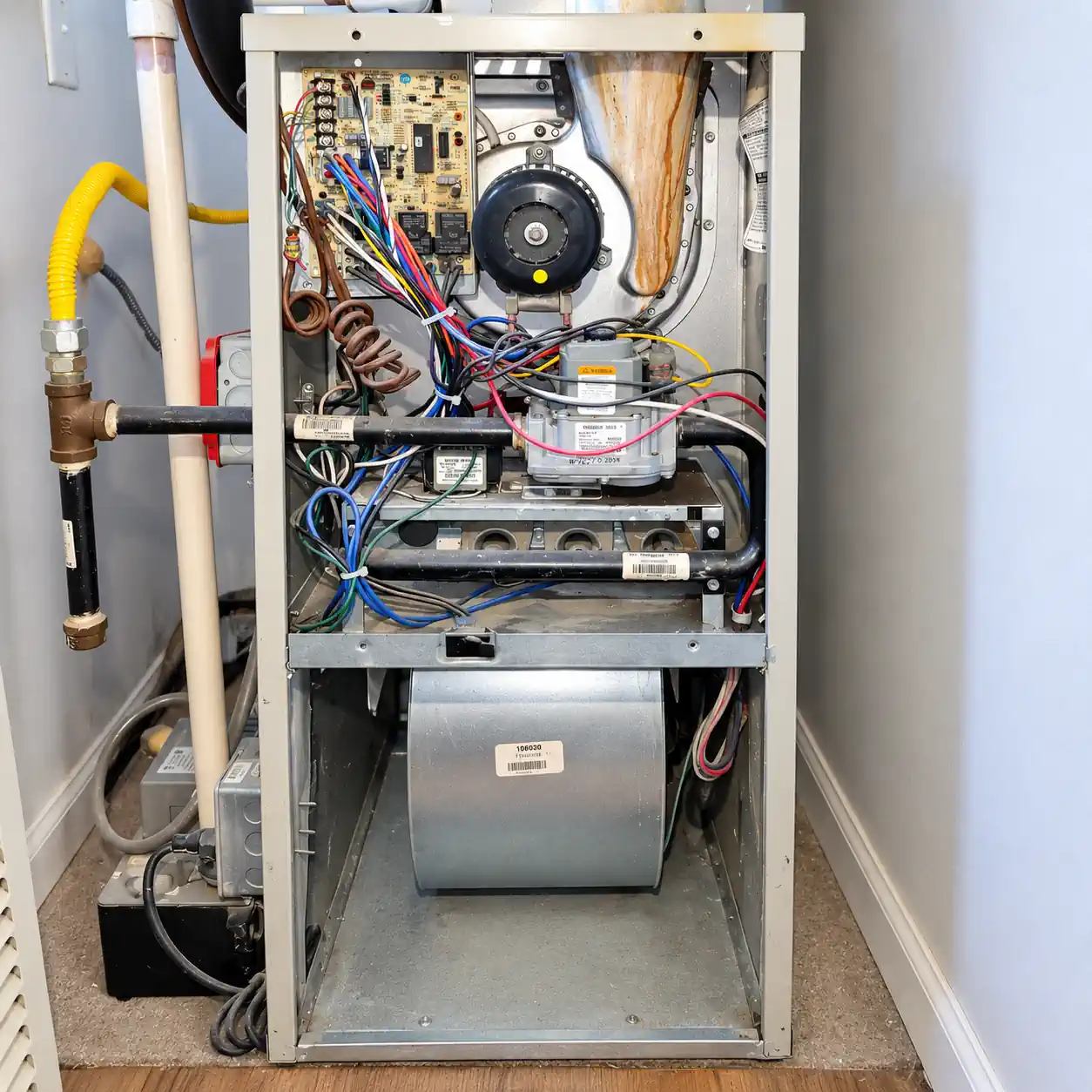
On a gas furnace
- Combustion and carbon monoxide check, heat exchanger look, burners, igniter or flame sensor, gas pressure and fittings, blower, filter, thermostat, venting.
Gas-furnace service notes: gas furnace maintenance in Philadelphia.
On an oil furnace or oil boiler
- Nozzle and oil filter, pump strainer, combustion smoke/draft, heat exchanger and chambers, as specified for that burner.
Oil has its own list: oil heater tune-up and the oil heater maintenance checklist.
On a boiler
- Pressure, relief valve, expansion tank, low-water cutoff on steam, draft, combustion where it applies. A tune-up is not a leak repair.
If it is already leaking or locked out, that is boiler repair, not service.
On a heat pump or ductless mini-split
- Heating mode and, in season, cooling mode. Refrigerant circuit, outdoor coil, defrost, reversing valve, electrical, indoor heads or air handler, drain.
System overview: heat pump services. Ductless care: mini-split maintenance.
On central air (spring, not this visit)
Coils, capacitor, refrigerant check, condensate drain, outdoor clearances. Do not book that work on the heater special.
Cooling visit: spring AC tune-up and air conditioner maintenance.
When to schedule in this climate
In Montgomery County, Philadelphia, Bucks County, Chester County, and Delaware County the heating visit belongs in late summer or early fall, before the first overnight in the 30s. That is when parts are in stock and the calendar is still open. January is a repair queue, not a maintenance queue.
Heat pumps get two looks: heating before winter, cooling before summer. A plan is how most households stop forgetting the second one.
If the house is leaky and the furnace is running nonstop, fix the envelope too: weatherizing before winter.
Filters, noise, and what you can do between visits
Change a 1-inch filter about every 30–90 days depending on pets, dust, and runtime. A clogged filter is the most common reason a “just serviced” furnace starts short-cycling.
Rattle, squeal, or boom at startup is not something to chase on a gas furnace yourself. Shut it down if the noise is getting worse and call. Safety smells, rotten egg, sharp electrical, soot, are not a tune-up. Leave and call 911 if you smell gas, then the utility, then us.
No heat already? Use common furnace problems in winter, not this guide.

How to Improve Heating Efficiency
A lot of homeowners are surprised by how much comfort they can gain just by tightening up a few habits. An annual tune-up is the foundation, but it is not the only step. Keeping filters clean, leaving supply and return vents open, and sealing drafts around windows and doors all help your furnace or heat pump do the same job with less effort.
If your schedule is all over the place, a programmable or smart thermostat can quietly trim your heating costs in the background by lowering the temperature when you are asleep or out of the house. Combine that with regular seasonal heating tune-ups and most homes in the Philadelphia area see a noticeable difference in comfort and monthly bills.
How to Extend Your Heating System’s Lifespan
Furnaces and boilers are not meant to be disposable. With proper care, many systems in our region run 15 to 20 years or more. The key is to avoid running them “on the edge” all the time. Dirty filters, closed vents, and skipped maintenance force the equipment to work harder than it should on every heating cycle.
Staying ahead of small repairs, keeping airflow healthy, and scheduling a yearly checkup all help your heater age more slowly. When you start seeing regular breakdowns, rising energy bills, or hot-and-cold spots from room to room, it is worth comparing repair costs against a new system. You can walk through the major replacement signs in the guide to deciding when it is time for a new heating system.
Do Heat Pumps Need Maintenance Too?
Heat pumps pull double duty in many homes, working as both the air conditioner in summer and the heater in the milder months. Because they run more often than a typical furnace, they benefit from regular attention. A maintenance visit for a heat pump includes checking refrigerant levels, confirming the defrost cycle, inspecting the outdoor unit, and making sure the system can switch smoothly between heating and cooling.
Homeowners can help by keeping leaves, grass, and snow away from the outdoor unit so it can breathe. For the rest, a professional tune-up will keep the system efficient and reduce the chance of surprise breakdowns. If you are using or considering a heat pump system, you can read more in our heat pump services and system overview.
Are maintenance plans worth it?
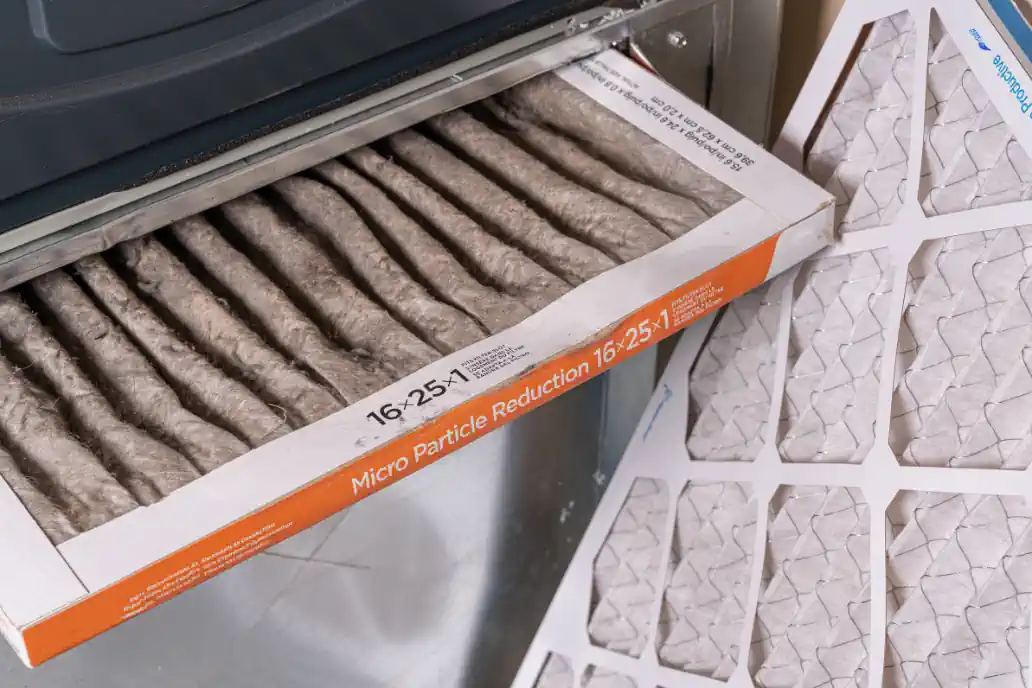 If you will remember two seasonal visits, pay for each special and stop. If you will not, a plan is cheaper than one after-hours no-heat call. EMCO Tech plans include the heating visit and the cooling visit, reminders, and a lower barrier when something fails mid-season.
This page does not sell plan tiers. The comparison table and monthly prices live on the agreements page so we do not publish two competing price charts.
Compare Silver, Gold, and Platinum: service agreements.
When a tune-up is the wrong call
- No heat, water on the floor, breaker tripped, CO alarm, gas odor, that is emergency or repair.
- A 20-year-old furnace that already needs a heat exchanger or a cracked section will not be saved by a cleaning.
- If you are leaving oil and a gas main is at the street, the conversation shifts to replacement, not another oil nozzle.
Replacement timing: is it time for a new heating system. Oil or electric to gas: switching to natural gas, only if you are converting fuel, not if you need a tune-up. Heat pump instead of another furnace: planning a heat pump replacement.
Where we run these visits
Two shops: 2424 Wyandotte Road, Willow Grove, PA 19090 and 7934 State Road, Philadelphia, PA 19136. Heating maintenance and HVAC tune-ups across Montgomery County, Philadelphia, Bucks County, Chester County, and Delaware County, Willow Grove, Abington, Horsham, Northeast Philadelphia, Doylestown, Warminster, West Chester, Media, and the towns between.
Full map: areas we serve.
Questions people type into Google
Once a year, before winter. Details and the 45–90 minute window are on our furnace tune-up in Philadelphia page. New equipment still needs the visit if you want the warranty intact.
Heating safety and performance in the fall, cooling performance in the spring. Filters, electrical, motors, combustion or refrigerant as the system requires, thermostat, and a list of anything that will fail if you ignore it.
Yes. Twice a year is the honest answer in this climate, once in heat, once in cool. A furnace-only shop will miss defrost and the outdoor coil.
Local specials and the current number live on the winter heater tune-up page so this guide does not go stale every time the offer changes.
No. Maintenance is scheduled on a running system. Repair is for a system that already failed.
No. Shared ideas (safety, combustion, controls). Different parts. Tell us which one is in the basement when you book.
No. That is how you land behind every other house on the street.
Ready to book the right visit?
If the heat still works, schedule maintenance. If it does not, say so on the call so we dispatch a repair, not a tune-up checklist. Carrier dealer; we also service Trane, York, Lennox, Fujitsu, Goodman, and other common brands. Talk to a tech: 215-366-1001.
Heating Maintenance
The full seasonal heating visit, furnace, boiler, or heat pump.
Winter Heater Tune-Up
Book the heating checkup and see current pricing.
Spring AC Tune-Up
Book cooling separately when the season turns.
Service Agreements
Put heat and AC on a plan. Silver, Gold, Platinum.
Furnace Tune-Up
The furnace-only how-often and what-to-expect guide.
Oil Heater Checklist
Nozzles, filters, and soot, the oil-specific service list.
Heat Pumps
Year-round systems that need a heating and a cooling look.
Emergency HVAC
No heat now? Same-day help when it will not wait.
Post Updated: September 2026